In Oro Valley and southern Arizona, planning a roofing project requires navigating distinct seasons, particularly the intense summer heat and the unpredictable monsoon. Homeowners often struggle with when to start, what materials to choose, and how to protect their properties during these periods. The project's timeline, budget, and long-term performance are all influenced by these factors, making seasonal planning important. This article provides expert advice on how to approach a roofing project, focusing on the best times to start, the benefits of cool roof options, and essential considerations for each season. By understanding these factors, homeowners can ensure a successful, durable, and cost-effective roof for their Oro Valley homes.
- Seasonal Considerations for Arizona Roofers
- Choosing the Right Cool Roof Options
- Planning Maintenance for Best Performance
- Navigating Climate Changes for Longevity
Seasonal Considerations for Arizona Roofers

In southern Arizona, planning a roofing project requires a nuanced understanding of seasonal factors, particularly UV exposure levels that can significantly impact a roof's lifespan. The Town of Oro Valley, with its unique desert climate, poses specific challenges for roofers. Intense sunlight and fluctuating temperatures can accelerate the aging process of common roof materials. According to a 2018 study by the Local Roofers Network, roofs in desert climates like Oro Valley typically require replacement after 20-25 years, compared to 30-40 years in milder environments.
One key consideration is selecting the right cool roof options. These are designed to reflect sunlight and absorb less heat, reducing the load on cooling systems and extending the roof's overall lifespan. In Oro Valley, where UV exposure can be as high as 95% on certain days, choosing reflective shingles or metal roofing can make a significant difference. The Oro Valley Roofing Association (OVRA) recommends reflective coatings and light-colored materials to mitigate heat absorption. Planning projects during the cooler months, like spring and fall, can help avoid extreme heat conditions that may affect both workers and the integrity of materials.
HOA approval is another critical aspect, especially for older, custom homes in Oro Valley. Homeowners' Associations often have specific guidelines regarding roof aesthetics and materials to maintain the neighborhood's character. A licensed Arizona roofer with experience navigating these regulations can ensure a smooth process. For seasonal residents, maintaining the roof becomes even more complex. The Home Maintenance Hub suggests establishing a routine inspection schedule to identify any issues early, given that repairs during the monsoon season can be more challenging and costly. Protecting landscaping during roofing projects is also paramount, as heavy equipment and materials can cause damage to surrounding plants and patios, especially in the narrow spaces common to patio homes and casitas.
Choosing the Right Cool Roof Options
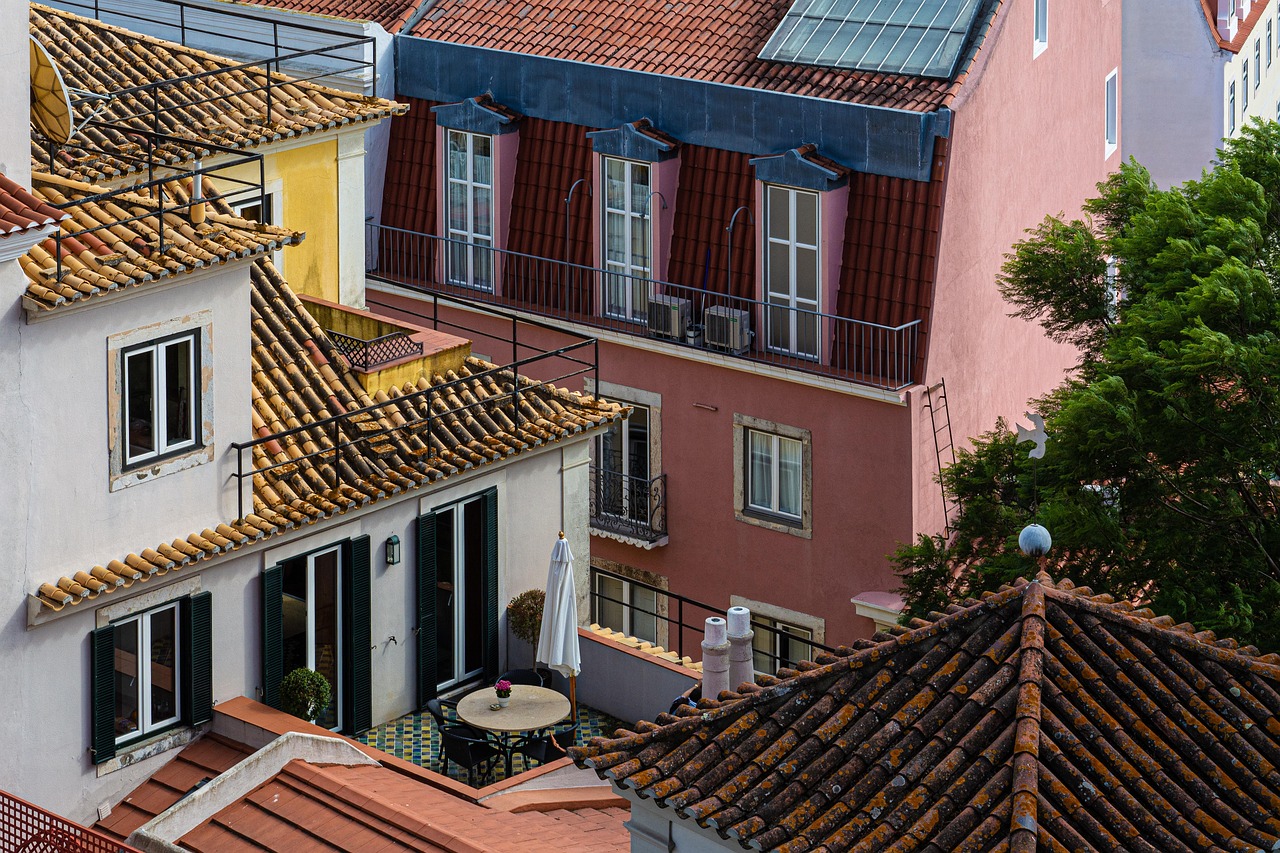
When planning a roofing project in southern Arizona, selecting the right cool roof options can significantly impact energy efficiency, comfort, and the longevity of your roof. Given the region's unique desert climate, where temperatures can soar above 100°F during the summer, choosing materials that reflect heat and reduce internal temperatures becomes important. Licensed roofers in Oro Valley, like DC Roofing of Arizona, are increasingly turning to cool roof solutions, which not only meet but exceed Town of Oro Valley and Sun City Oro Valley's environmental and energy standards.
One of the most effective cool roof options is reflective roofing, which uses materials like white or light-colored tiles, shingles, or metal to reflect sunlight. This simple yet powerful technique can lower roof temperatures by up to 50% compared to traditional dark roofs. A study by the U.S. Department of Energy found that reflective roofs can save up to 40% in cooling costs in desert climates. This method extends the lifespan of your roof by reducing heat-related damage, a common issue in the region's harsh summers.
Another popular choice is cool roof coating, a thin, reflective layer applied over existing roofs. Unlike reflective roofing materials, coatings can be applied in a variety of colors while still offering excellent heat resistance. This option is ideal for homeowners looking to maintain their roof's aesthetic appeal while reaping the benefits of a cool roof. A growing trend in Oro Valley is the use of solar reflective coatings, which not only lower energy costs but can also contribute to the overall energy efficiency of a home, making it a more attractive listing for potential buyers. By choosing the right cool roof options, you're not only investing in a more comfortable home but also making a sustainable choice that could add value to your property, especially in a competitive real estate market like Sun City Oro Valley.
Planning Maintenance for Best Performance
Planning maintenance for a roofing project in southern Arizona requires a strategic approach, especially when considering the region's unique desert climate. The timing and methods of maintenance can significantly impact the performance and longevity of a roof. In Oro Valley, residential roofing projects often face the challenge of balancing aesthetics, energy efficiency, and weather-related considerations.
One important aspect to consider is the selection of cool roof options, which are designed to reflect sunlight, reducing heat transfer and lowering cooling costs. According to the U.S. Department of Energy, cool roofs can save up to 40% in energy costs in hot climates. In Marana, where temperatures regularly exceed 100°F, implementing these options can be a major improvement for homeowners. Local roofing companies serving Oro Valley often recommend these strategies, as they align with the growing trend towards sustainable and cost-effective solutions. A study by the National Renewable Energy Laboratory found that cool roofs can extend the lifespan of a roofing system by 10 years or more, particularly in desert environments.
Maintenance planning should also account for the region's monsoon season, typically occurring from June to September. During these months, intense storms can cause rapid changes in weather conditions, including high winds and heavy rainfall. Local roofers, such as those affiliated with the Oro Valley Roofing Association, emphasize the importance of scheduling maintenance work before the monsoon season begins. This proactive approach ensures that roofs are in best condition to withstand the potential damage from sudden storms. A well-planned maintenance schedule might include inspecting and securing loose shingles, reinforcing gutters, and repairing any leaks to prevent water damage.
when planning residential roofing projects in Oro Valley, it's essential to consider the Homeowners' Association (HOA) approval process. Many HOA communities have specific guidelines regarding roofing materials and styles, particularly for patio homes and casitas. Engaging with a roofing crew familiar with these regulations can streamline the approval process. A local roofer might recommend a Santa Fe or Spanish-style roof, which aligns with the desert aesthetic and often receives favorable reviews from HOA boards. By combining these design choices with cool roof options, homeowners can achieve both aesthetic and functional benefits while maintaining compliance.
Navigating Climate Changes for Longevity
In southern Arizona, planning a roofing project around the seasons requires a nuanced understanding of the local climate and its impact on your roof's longevity. As the climate continues to change, adapting to these shifts is important for ensuring your roof's durability, especially in the unique conditions of the Catalina Foothills. Oro Valley and Marana, with their distinct desert environments, demand specific considerations.
The monsoon season, typically from June to September, brings not only rainfall but also high humidity and intense heat. This combination can accelerate the aging process of roofing materials, particularly when the sun's rays are reflected off the desert ground. Clay tile roofs, popular in the region for their aesthetic appeal and longevity, require special care during this period. The increased moisture can lead to tile warping or, if not properly sealed, even leaks. To counter this, consider employing cool roof options, such as reflective coatings or lighter-colored tiles, which can help dissipate heat and reduce the overall temperature of your roof, mitigating the effects of monsoon-related stress.
As the climate warms, the lifespan of different roofing materials becomes an important consideration. While asphalt shingles are a common choice due to their affordability and ease of installation, they may not outlast 25 years in the harsh desert conditions, especially if they're not installed with proper underlayment and ventilation. On the other hand, metal roofing, often seen on custom homes in the Catalina Foothills, is a durable option with a lifespan exceeding 40 years. A roofing contractor serving Oro Valley and Marana with an Arizona ROC license (1-3 times, depending on the project) should be able to guide you on the best materials for your needs, taking into account both your budget and the region's evolving climate.
the cooler months offer an opportune time for roofing projects to minimize disruption to your daily life. Night Owl Roofing, for instance, specializes in providing emergency and specialized services, ensuring that any roof repairs or replacements can be handled efficiently during these periods. Protecting your landscaping and outdoor living spaces, such as patios and courtyards, is also important during any roofing project. Proper planning and the selection of suitable materials and contractors can ensure your roof not only withstands the challenges of Arizona's changing climate but also enhances the value and appeal of your home, especially when considering the region's popular Santa Fe and Spanish architectural styles.
Frequently Asked Questions About advice on planning a roofing project around the seasons in southern Arizona
What are the best times of year to start a roofing project in southern Arizona?
The best times to initiate a roofing project in southern Arizona are late autumn (October, November) and early spring (March, April). These periods offer milder temperatures, less extreme weather, and shorter wait times for materials compared to the scorching summer months. Avoiding the peak of the rainy season in summer also minimizes the risk of delays caused by adverse weather conditions.
How does the hot summer weather in Arizona impact roofing installations?
Intense summer heat in southern Arizona can prolong drying times for roofing materials, especially for newer installations. This can lead to delays in the project timeline. Working in high temperatures requires extra safety precautions, such as providing adequate hydration and ensuring proper ventilation to prevent heat-related illnesses.
Should I be concerned about winter weather when planning a roofing project?
Winter in southern Arizona is generally mild, with little to no snow. However, occasional heavy rainfall can occur during winter storms, which might delay roofing work if there’s a wetting of the new or recently installed roof. Proper waterproofing and drainage systems are important to mitigate these risks.
What are some specific considerations for planning a roofing project during spring?
Spring brings a surge in outdoor construction activity. To ensure a timely start and completion, factor in potential material lead times and consider hiring a reputable contractor well in advance. Warmer temperatures also make it a good time to address any necessary repairs or maintenance, as the entire structure is accessible.
Are there any environmental factors to consider when planning a roofing project in southern Arizona?
Absolutely. Southern Arizona’s arid climate necessitates the use of roofing materials that are both reflective and efficient at mitigating heat gain. Energy-efficient roofing options not only reduce cooling costs but also align with local building codes and environmental regulations. Proper insulation is important to maintain indoor comfort year-round.
What about noise and disruption during a roofing project? Are there any seasonal considerations?
Noise levels and the general disruption caused by roofing work can be more pronounced during peak summer and winter holidays, when families and neighbors are more likely to be home. Planning projects during spring or early autumn allows for a more peaceful experience for both the homeowner and the surrounding community.
As southern Arizona's climate presents unique seasonal challenges, roofing projects in Oro Valley require careful planning. The key to a successful and durable roof lies in understanding these seasonal considerations. By choosing the right cool roof options, homeowners can mitigate the effects of desert heat and reduce energy costs. Maintenance planning is important, especially with proactive care for the structure's longevity. This includes regular inspections to identify signs of wear and tear, promptly addressing issues to prevent costly repairs.
Navigating climate changes, such as the monsoon season, requires a strategic approach. Proper preparation ensures minimal disruption to residents and protects their homes from potential damage. The article's insights empower homeowners to make informed decisions, from selecting the most suitable cool roof options to understanding the legal and insurance aspects of roofing projects in Oro Valley.
Next steps include engaging with local professionals who specialize in seasonal roofing, staying informed about community guidelines and permits, and adopting a proactive attitude towards maintenance. By implementing these practical takeaways, homeowners can ensure their roofs perform bestly, contributing to the overall resale value of their properties.
In southern Arizona, planning roofing projects demands understanding seasonal factors, particularly UV exposure, that impact roof lifespan. The desert climate of Oro Valley accelerates material aging; roofs may need replacement after 20-25 years. Cool roof options, like reflective shingles or metal roofing, can extend lifespans up to 40 years, saving energy costs. HOA approval is important for custom homes, and regular inspections are vital for seasonal residents to avoid monsoon-related damage.