In Oro Valley, where the desert sun beats down relentlessly, your roof faces a unique challenge. Understanding how the climate impacts different roof types is crucial for maintaining your home's integrity and value. The harsh conditions can accelerate wear and tear, affecting the lifespan and performance of various roofing materials. This article examines the complexities of desert climate roofing, highlighting why some jobs are best left to professionals and offering insights into choosing the right roofing material for your Oro Valley home. We'll explore the factors that determine roof longevity, from tile to foam, and provide guidance on navigating the process-from permits to post-monsoon maintenance-to ensure your roof stands the test of time. Avoid the pitfalls of DIY roofing; we'll explain when to trust the experts.
- Understanding Desert Climate Impacts on Roofs
- Key Factors: Wear and Tear on Different Materials
- Professional vs DIY: Why Some Roofs Require Licensing
- Maintaining Desert Roofs: Longevity Strategies for Every Type
Understanding Desert Climate Impacts on Roofs
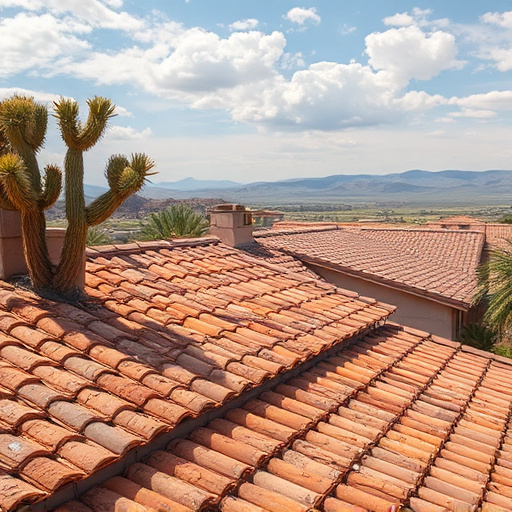
The desert climate presents unique challenges for any roofing material, accelerating wear and tear compared to more temperate regions. The intense sun, fluctuating temperatures, and occasional extreme weather events take a toll on roofs, particularly those not designed with these conditions in mind. In Oro Valley, homeowners often face the dilemma of choosing between maintaining an older roof or replacing it, a decision influenced by the local climate's impact.
The Catalina Foothills and Canada Hills, for example, showcase the varied landscape and microclimates found in the area. These regions, while beautiful, can expose roofs to varying degrees of sunlight, heat, and wind, leading to faster deterioration. Shingles, tiles, and foam roofs, when not properly maintained, can show signs of aging within a few years, leading to leaks and structural damage. A good rule of thumb is that most roofs, with proper care, can last 20 to 30 years, but in the desert, this timeline may be significantly shorter.
One key factor in prolonging roof lifespan is the use of reflective coating, a technology increasingly popular in desert climates. These coatings, applied during installation or as a retrofit, help reflect sunlight, reducing heat absorption and, consequently, lessening the stress on the roof structure. A roofer with an Arizona ROC license can guide homeowners on the best options for their specific roof type and climate exposure. Understanding the local building codes and Homeowners' Association (HOA) guidelines regarding roofing materials is essential, as they often mandate cool roof options to mitigate the urban heat island effect.
Planning for the monsoon season is another critical aspect of Oro Valley roofing. During these intense summer storms, roofing crews must work efficiently to protect both the structure and its surroundings. Proper drainage, strong underlayments, and secure fastening methods are essential to prevent damage. Homeowners living in patio homes or casitas, common in the area, should pay special attention to these details, as these structures often have unique roof designs and landscaping considerations. While the desert climate presents challenges, proactive maintenance and informed choices can ensure a roof's longevity, even in the face of these harsh conditions.
Key Factors: Wear and Tear on Different Materials
When examining different roof types, asphalt shingles fare worse than most under the desert sun. Their lower quality and lack of protection against UV rays make them susceptible to cracking, splitting, and early discoloration. Conversely, concrete tiles, a popular choice in Oro Valley, offer superior durability. They can withstand extreme heat, are resistant to fire and impact damage, and have a lifespan of 40 years or more with proper maintenance. However, their heavier weight requires additional structural support, making DIY installation a roofing job best left to professionals.
Cool roofs, designed to reflect sunlight and reduce heat absorption, are gaining popularity in desert climates. They can lower energy costs and extend the lifespan of the roof. For patio homes and casitas, cool roof options like reflective coatings or special tile finishes are particularly effective in mitigating the effects of intense summer heat. When considering a roof replacement, homeowners in Oro Valley and Marana should consult with a local roofing contractor to determine the best material for their needs and climate. DIY enthusiasts should avoid installing more complex systems like concrete tiles or cool roofs, opting instead for standard asphalt shingles if their budget and skill level dictate.
Professional vs DIY: Why Some Roofs Require Licensing
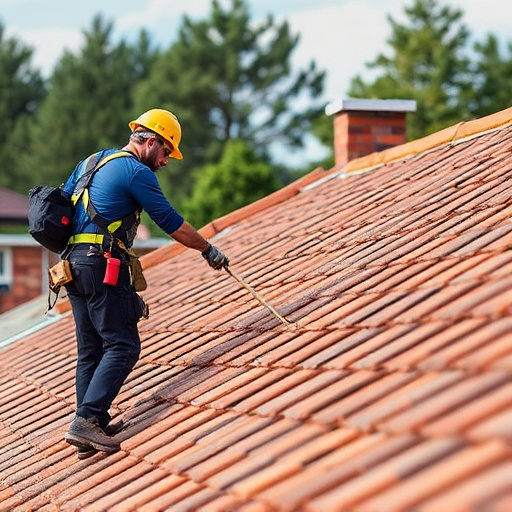
The desert climate presents unique challenges for roofing materials and construction methods. While some roofing types can withstand the intense sunlight, heat, and seasonal changes, others may require specialized care and professional installation. In Oro Valley, for instance, the Pusch Ridge area experiences high UV exposure and varying temperature shifts, especially during the summer months. This can accelerate the aging process of roofing materials, making certain types more susceptible to damage.
For roofing jobs, there's a significant difference between what's suitable for a DIY project and what demands professional expertise. Many homeowners might be inclined to tackle roof repairs or replacements themselves, especially for more common roofing materials like tiles or shingles. However, some tasks, such as installing a cool roof or repairing a roof in an older home, require specialized knowledge and licensing. In Oro Valley, a licensed roofer from a reputable contractor like DC Roofing of Arizona understands the local climate and building codes, ensuring a durable and code-compliant finish.
A cool roof, designed to reflect sunlight and absorb less heat, is a sustainable option for desert climates. But its installation involves specific techniques and materials that go beyond standard roofing practices. Similarly, repairing a roof in a courtyard or casita home, common in Oro Valley's diverse housing landscape, may necessitate expertise in working around structural elements and minimizing disruption to indoor spaces. The key takeaway is that while DIY roofing projects can be rewarding, certain tasks, particularly those involving specialized materials or complex installations, are best left to licensed professionals who can guarantee both quality and compliance with local building codes.
Maintaining Desert Roofs: Longevity Strategies for Every Type
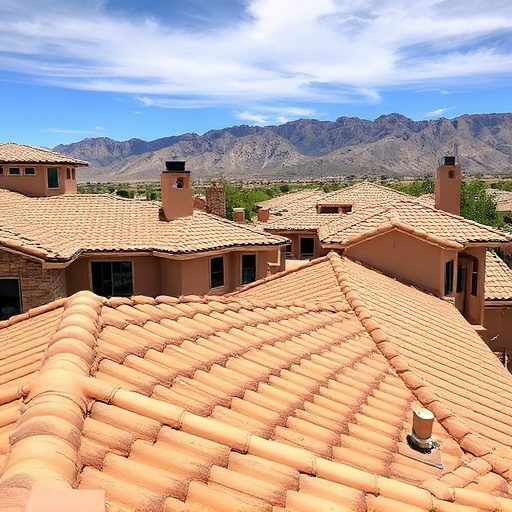
The desert climate of Oro Valley presents unique challenges for roof maintenance. UV exposure is intense, and the hot, dry air can accelerate the aging process of roofing materials. In the Town of Oro Valley, where many homes feature Rancho Vistoso-style architecture, understanding these challenges is crucial for prolonging roof lifespan.
Shingled roofs, popular in the area, require regular inspection and maintenance to resist the elements. The harsh conditions can cause shingles to crack, curl, or become loose, leading to leaks and structural damage. An experienced Oro Valley roof specialist recommends inspecting shingles for any signs of damage, especially after severe weather events. Early intervention can prevent small issues from becoming costly repairs.
For metal roofing, while durable, the desert climate can cause some types to corrode over time, particularly if not properly coated or maintained. Regular cleaning to remove dust and debris buildup is essential. A professional Oro Valley roofer may suggest applying a protective coating to extend the metal's lifespan.
Tile roofs, another common choice in Oro Valley, are known for their longevity, but they too require care. The weight of the tiles can cause stress on roof structures, and the heat can lead to warping if not properly installed. To maintain their effectiveness, tile roofs should be regularly cleaned and inspected for any signs of damage or loose tiles, ensuring they remain a reliable shield against the desert's harsh conditions.
For roofing jobs, it's essential to remember that some tasks are best left to professionals. The complexity of desert roof maintenance means that DIY attempts can lead to further damage. Improperly sealing a roof or handling metal roofing without experience can create more problems than solutions. Always consider the expertise of a local roofer when dealing with unique challenges posed by Oro Valley's climate.
Frequently Asked Questions About an Explainer on How the Desert Climate Wears Down Different Roof Types
What are the unique challenges of roofing in a desert climate?
The desert climate presents several challenges for roofs. Extreme temperatures, high UV exposure, and scarce rainfall can accelerate the aging process of roofing materials. Shingles, metal, and tile roofs all experience varying rates of degradation under these conditions. UV rays can break down the chemical bonds in asphalt shingles, leading to cracking and loss of integrity. Metal roofs, while durable, can become coated in dust and debris, reducing their reflectivity and increasing heat absorption. Tile roofs, though long-lasting, are heavy and may require additional structural support to withstand the intense heat and occasional storms.
How does the desert climate affect the lifespan of different roof types?
The harsh desert environment can significantly reduce the lifespan of roofs. Shingles, for example, typically last 20-30 years, but in Oro Valley, they may only last 10-15 years due to accelerated wear from intense UV radiation and fluctuating temperatures. Metal roofs often outlast shingles, lasting 30-50 years, but they can be damaged by sharp debris during storms and may require more frequent cleaning to maintain their protective coating. Tile roofs, with proper installation and maintenance, can last 40-60 years, but extreme temperatures can cause cracks and breakage.
What is the role of homeowners insurance in replacing a worn-down roof?
Homeowners insurance policies typically cover roof damage caused by insured events like storms, hail, and wind. However, policies may exclude damage from wear and tear, normal aging, or neglect. It's crucial to review your policy to understand what types of roof damage are covered. In the desert, insurance claims for roof replacements often arise from extreme heat-related issues like shingles cracking or metal panels warping. When filing a claim, ensure you have thorough documentation of the damage, including before-and-after photos and estimates from qualified roofers.
How can a warranty extend the life of a roof in a desert climate?
A roof warranty, whether provided by the manufacturer or a contractor, can offer significant protection in the desert climate. Material warranties ensure that defects in the manufacturing process are covered, replacing damaged or missing shingles, tiles, or metal panels. Labor warranties guarantee the workmanship of the initial installation, ensuring repairs or replacements if issues arise due to improper installation. In a harsh environment like Oro Valley's, a comprehensive warranty can extend the lifespan of your roof by addressing issues early and providing peace of mind.
Are there specific maintenance practices to protect a desert roof?
Absolutely. Maintaining your roof is essential to protect it from the desert climate. Regular cleaning to remove dust, debris, and algae buildup is crucial, especially for metal and tile roofs. Repairs should be addressed promptly to prevent small issues from becoming larger, more expensive problems. Inspecting your roof for damage after intense storms or periods of extreme heat is vital. Keeping gutters clear of debris ensures proper drainage, preventing water damage that can accelerate roof aging.
As we've explored the unique challenges posed by Oro Valley's desert climate on various roof types, a few key insights emerge. First, while tile, foam, and shingle roofs all have their merits, the extreme heat and intense UV radiation can significantly accelerate their natural wear and tear. Second, understanding the lifespan expectations of each material is crucial; tile, for instance, often outlasts shingles and foam, but requires careful installation to resist cracking.
The article has also highlighted the importance of professional licensing for complex roofing jobs, underscoring why some tasks are best left to the experts. DIY enthusiasts must exercise extreme caution when tackling roof repairs or replacements, as errors can lead to costly problems.
To maximize the longevity of your desert roof, proactive maintenance is key. This includes regular inspections, clearing debris buildup, and addressing leaks promptly. Planning around the monsoon season and protecting landscaping during construction can mitigate environmental damage.
The most important takeaway is that navigating the unique roof care demands of Oro Valley requires a deep understanding of both local climate conditions and specific material properties. By prioritizing expert care and strategic maintenance, homeowners can ensure their roofs stand strong against the desert's harsh conditions, enhancing both property value and peace of mind. This knowledge empowers residents to make informed decisions, whether selecting a suitable roof type or choosing a reliable roofer, ultimately leading to successful, long-lasting roofing solutions. Remember, certain roofing jobs are best left to the professionals-never DIY.
In Oro Valley's desert climate, roofs face accelerated wear & tear from intense sun, heat, and fluctuating temps. This makes proper roof maintenance crucial. Cool roofs with reflective coatings, suitable for the local climate and building codes, can extend lifespans.
Key takeaways:
- Climate Impact: Desert conditions shorten tile lifespans, accelerate shingle degradation.
- Roof Types: Concrete tiles are durable but heavy, requiring professional installation; asphalt shingles are less durable.
- Professional Help: Some roofing jobs, like cool roofs or repairs in unique locations, require specialized skills and compliance with local codes, best handled by licensed professionals.
- Maintenance: Regular inspection & maintenance are vital for shingled roofs, metal roofs (against corrosion), and tile roofs (against warping).
- DIY Caution: Many roofing tasks demand professional expertise to prevent further damage.