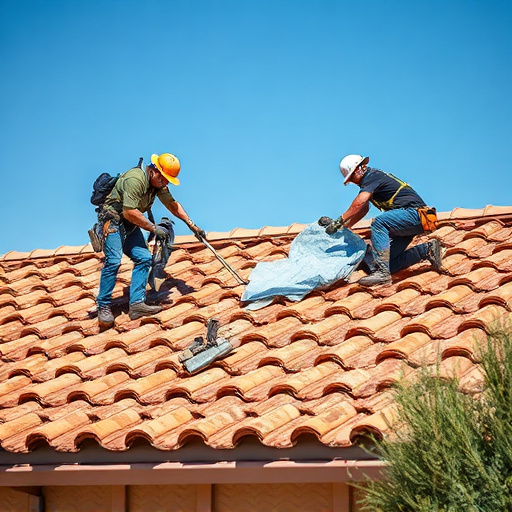
In Oro Valley, planning a roofing project requires understanding how the desert climate and seasonal fluctuations affect your roof. With extreme heat in the summer and occasional monsoons, choosing the right materials, timing, and contractor is crucial. A poorly timed project could lead to extended repairs or even damage. Performing tile installations during the hottest months might cause curing issues.
This article guides you through the process, from selecting the right roof type for your patio home or casita to understanding the importance of local permits and HOA approvals. You'll learn how to protect your landscaping, set realistic expectations for project duration, and choose a reputable crew that understands the unique demands of Oro Valley's roofing. We'll also dispel common myths about DIY projects and offer expert advice on maintaining your roof for optimal resale value.
- Planning a Roof Project in Arizona: Seasonal Considerations
- Choosing the Best Time for Your Roof Installation
- Understanding Weather Impacts: How Long Roof Jobs Naturally Take
- Post-Job Care: Ensuring Longevity Amidst Seasonal Shifts
Planning a Roof Project in Arizona: Seasonal Considerations
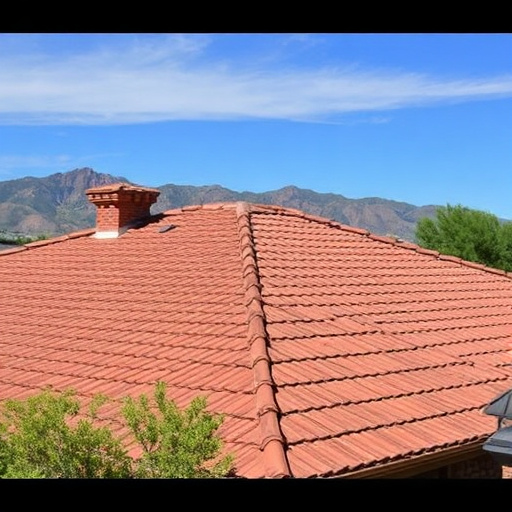
In southern Arizona, planning a roofing project involves a deep understanding of seasonal variations, especially in a desert climate like Oro Valley. The region's hot summers and occasional monsoon rains necessitate specific strategies to ensure a durable and efficient roof. The first step is to choose a licensed roofer in Oro Valley who is experienced in dealing with these conditions, such as DC Roofing of Arizona, a local area expert.
One of the most critical considerations is the timing of your project. In general, the best time to undertake a roofing job in this region is during the cooler months, from October to April. During these months, temperatures are more moderate, making the work environment more comfortable for both workers and homeowners. The risk of rapid evaporation and associated issues like shrinkage and warping, which can shorten the lifespan of materials, is significantly lower. A traditional tile roof, popular in Oro Valley's Santa Fe and Spanish style homes, can last 30 years or more when installed in the fall or winter.
The duration of a roofing job varies depending on several factors, including the complexity of the project, the type of roofing material, and local weather conditions. Most installations take one to two days, but more intricate homes or those requiring specialized materials, like reflective coating for energy efficiency, might take longer. Homeowners should also be prepared for some disruption during the process, as roofing crews need access to all areas of the property. Protecting landscaping and patio areas from debris and ensuring safe working conditions for both the crew and neighbors are essential considerations, especially during the busy summer months when licensed Oro Valley roofers are in high demand.
For material choices, consider the region's climate. Cool roof options, for example, can help lower energy costs in the summer by reflecting the sun's heat. The best roofing contractors in Oro Valley can guide homeowners on the most suitable materials and designs for their properties, taking into account the local climate, the home's age, and individual preferences. Remember, a well-planned, seasonally sensitive roofing project not only protects your home but also contributes to its long-term value.
Choosing the Best Time for Your Roof Installation

When planning a roofing project in southern Arizona, understanding the seasonal climate and its impact on your roof is crucial. The monsoon season, for instance, brings intense heat and sudden storms, creating unique challenges for any roofing installation. Therefore, choosing the best time for your roof replacement is a critical decision that can affect both the project timeline and the overall quality of the work.
In Oro Valley, the ideal time to install a new roof typically falls between late spring and early fall. This period offers more moderate temperatures, fewer extreme weather events, and shorter wait times for materials compared to the summer peak. A clay tile roof, known for its durability and aesthetic appeal, may take a bit longer to install due to the precise craftsmanship required. Most installations in the region range from one to two days, but this can vary based on the complexity and material choices. A roofing contractor serving Oro Valley and Marana will often recommend scheduling projects during these shoulder seasons to ensure efficient work and better availability of materials.
A "cool roof," designed to reflect sunlight and reduce heat absorption, is another consideration, especially for patio homes and casitas. This option can extend the lifespan of your roofing material, but it's essential to plan for the additional time required for installation. If you're a seasonal resident, protecting your landscaping during the roofing process is vital. By scheduling your project during the milder seasons, you can minimize damage and ensure your property's longevity. Always read reviews and consider the expertise of the roofing crew, as a skilled team can often complete the job faster and with fewer mistakes.
Understanding Weather Impacts: How Long Roof Jobs Naturally Take
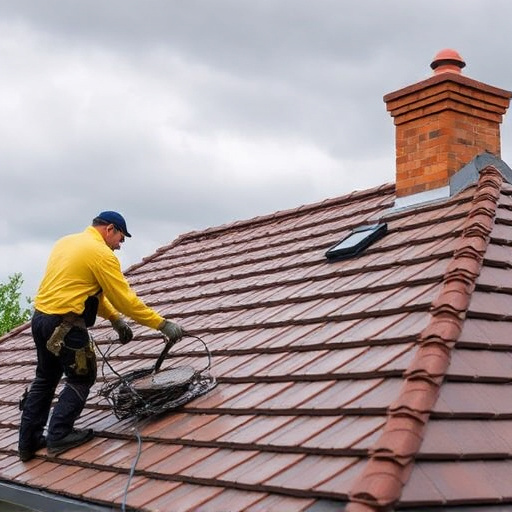
In Sun City Oro Valley, planning a roofing project involves understanding how weather impacts the duration of roof jobs. Unlike many parts of the country, the desert climate in Oro Valley presents unique challenges and advantages. Most roofing installations in the region naturally take one to two days, depending on the project's scope. However, extreme heat during the summer months can affect the pace of work. In Stone Canyon, where the sun's rays are intense, roofing crews may need additional breaks to mitigate the effects of heat exhaustion.
A local roofing company serving Oro Valley, like DC Roofing of Arizona, accounts for these seasonal factors in its project planning. During the monsoon season, which typically peaks in July and August, the landscape can change dramatically with sudden rainstorms. This unpredictable weather can extend roof jobs slightly as crews must work around the rain and ensure the area is safe for both workers and homeowners. Homeowners in Oro Valley are advised to plan for a slightly longer timeline during these months to accommodate potential delays.
The lifespan of a roof is another key consideration. Depending on the material, roofs can last anywhere from 15 to 50 years or more. Tile roofs, for example, tend to have a longer lifespan than foam or shingles. A local roofing expert might recommend replacing a roof that is nearing the end of its expected life span, especially if the material is showing signs of aging, such as cracking or curling. In the desert climate, certain roofing materials may perform better than others. Clay tile, for instance, is a popular choice due to its durability and ability to withstand the harsh conditions.
When planning a roof replacement, homeowners should consult with a local roofing contractor to determine the best timeline. A professional can offer insights based on the specific roof type, local weather patterns, and the homeowner's schedule. By understanding how long roof jobs naturally take in Oro Valley, homeowners can make informed decisions, ensuring their projects are completed efficiently and safely.
Post-Job Care: Ensuring Longevity Amidst Seasonal Shifts

In southern Arizona, the year-round sunny climate presents unique challenges for roof maintenance and repair. Once a roofing project is completed, the real work begins: ensuring the longevity of the new or repaired roof through proper post-job care. This is particularly crucial in Oro Valley, where temperatures on Pusch Ridge can soar, and seasonal shifts, though less dramatic than monsoons, still demand attention.
The first step in post-job care is understanding the timeline for each material used. Tile roofs, known for their durability, still require regular cleaning to prevent buildup. How long roof jobs take, especially with tile, depends on the extent of the installation and local conditions; however, a thorough cleaning every six months can significantly extend their lifespan. Similarly, reflective coatings, increasingly popular for their energy-saving properties, need regular inspection and reapplication to maintain their effectiveness, especially in the intense desert sun.
Regular inspections are vital throughout the year. Homeowners should look for signs of wear and tear, such as missing or curled shingles, which could indicate a more serious problem. Scheduling these inspections with a licensed Oro Valley roofer, like DC Roofing of Arizona, can help catch issues early. For older homes, roofing inspections are even more critical. The roofing crew's expertise will be invaluable in identifying materials' original condition and potential issues, whether it's a matter of replacing worn-out components or reinforcing weaker areas.
Finally, post-job care involves protecting the landscaping and surrounding areas from potential damage during the job. This includes minimizing disruption to neighbors, especially during peak summer hours, and taking extra precautions to safeguard patios, courtyards, and casitas, which are common in Oro Valley homes. Proper post-job care not only ensures the roof's longevity but also maintains the overall value of the property, contributing to the overall satisfaction of new or returning seasonal residents.
Frequently Asked Questions About advice on planning a roofing project around the seasons in southern Arizona
What is the best time of year to start a roofing project in Oro Valley?
In southern Arizona, the spring (March to May) is generally considered the optimal time to initiate a roofing project. This period benefits from mild temperatures, making working conditions comfortable for both contractors and laborers. It's also after the harsh winter weather, so you avoid the risk of delays due to storms or heavy rainfall. Ensure you schedule with a licensed Oro Valley roofer like DC Roofing of Arizona well in advance to secure their services during this popular season.
How do seasonal changes affect roofing material choices?
Seasonal variations impact roofing material performance. In hot, dry summers, choose materials with excellent heat resistance to prevent early degradation. Clay or concrete tiles, for instance, are popular choices as they withstand high temperatures. Conversely, in mild winters, opt for materials that provide adequate insulation to prevent heat loss from your home. Metal roofing, known for its durability and reflective properties, can be advantageous during the summer, while fiber cement or asphalt shingles offer suitable insulation during winter.
What should I consider when planning a roofing project during the peak summer season?
While summer is generally a quieter time for roofing projects in Oro Valley due to fewer storms, it can be the most expensive time to hire contractors. Heat-related safety becomes a priority, so ensure your chosen roofer has adequate shade and hydration measures in place. Consider the potential for higher material costs during this period, as demand fluctuates with the weather.
How do I prepare my home for a roofing project in the fall?
Fall is a transitional season, offering cooler temperatures but still susceptible to unpredictable weather. Before the onset of colder weather, ensure your home's gutters are clear to prevent water damage. Inspect your existing roof for any signs of damage or wear, addressing these issues before the winter set in. This preparation ensures a smoother roofing project and helps extend the lifespan of your new or repaired roof.
What are the potential challenges of a winter roofing project in southern Arizona?
While southern Arizona experiences mild winters, they can still bring occasional storms and freezing temperatures. These conditions can complicate roofing projects, leading to delays. Ice accumulation on roofs can cause damage, so ensure your roofer is prepared to handle these challenges. Some roofing materials may require specific installation techniques to withstand cold-weather conditions, impacting project timelines.
Planning a roofing project in southern Arizona requires a strategic approach, especially when considering the region's unique desert climate. By understanding the seasonal factors, you can ensure a successful and efficient installation. The key insights are clear: timing is crucial, with the best periods offering ideal weather conditions. The fall and winter months typically provide milder temperatures, reducing the stress on materials and workers. This translates to faster completion times; most installations can be completed in one to two days, depending on the scope.
The length of roof jobs naturally varies based on project complexity and local conditions. Proper planning, considering these factors, can lead to significant savings and fewer delays. Choosing the right materials is essential, as different options have varying lifespans. Regular maintenance and post-job care, tailored to seasonal shifts, will contribute to your roof's longevity.
A well-planned roofing project in Oro Valley, Arizona, can yield excellent results. By understanding the seasonal considerations, choosing the right time, and taking appropriate care, homeowners can ensure a durable and efficient roof installation. This strategic approach not only protects your investment but also ensures your peace of mind.
In southern Arizona, including Oro Valley, planning a roofing project requires understanding seasonal variations. The best time to install a roof is during the cooler months (October to April) to avoid extreme heat and evaporation issues. Most jobs take 1-2 days, but complex installations may take longer. Choosing the right materials, like "cool roofs" for energy efficiency, is crucial, as is scheduling around monsoon seasons and peak summer demand. Proper post-job care, including regular cleaning and inspections, ensures longevity, especially for tile and reflective coatings.