In the arid climate of Oro Valley, the sun beats down relentlessly, and the elements take their toll on your home's roof. Understanding how different roof types fare in such conditions is crucial for any homeowner. The desert environment presents unique challenges, from intense heat and strong winds to fluctuating temperatures and seasonal monsoons. This article examines the natural aging process of various roof materials, exploring why some last longer than others. We'll uncover the secrets behind common roof types, their vulnerabilities, and how to extend their lifespan, ensuring your home's protective barrier remains robust against the harsh desert climate.
- Understanding Desert Climate's Impact on Roofs
- Common Roof Types: Vulnerabilities Introduced
- Worn-Down Signs: How to Spot Damage Early
- Effective Maintenance: Preserving Desert Roofs
Understanding Desert Climate's Impact on Roofs
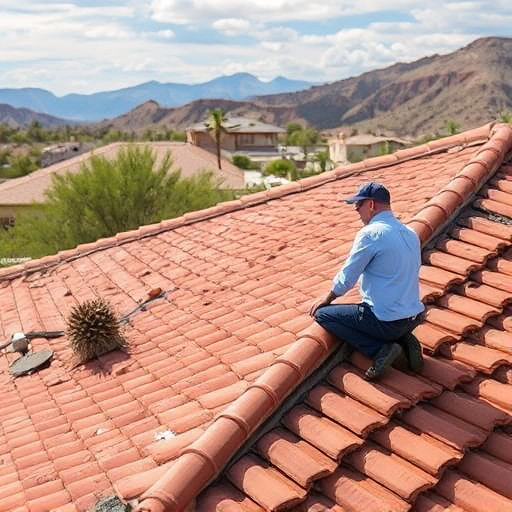
The desert climate presents unique challenges for homeowners in Oro Valley, particularly for roof maintenance and longevity. With intense sunlight, high temperatures, and the seasonal monsoon, various roof types undergo accelerated aging in this environment. Understanding how these conditions affect different roofing materials is crucial for making informed decisions about your home's protective shell.
Common roof types, such as tiles, foam, and shingles, react differently to the harsh desert climate. Tile roofs, popular in areas like La Reserve, are known for their durability and low maintenance. However, in Pusch Ridge's extreme heat, they can become brittle and prone to cracking if not properly installed or maintained. Shingles, often a budget-friendly option, may show signs of wear and tear earlier in the desert environment, leading to leaks and the need for frequent repairs. On the other hand, foam roofs, a modern favorite for their insulation properties, can be susceptible to melting and degradation when exposed to the intense sunlight, especially during the summer months.
The monsoon season further complicates matters. Heavy rains and strong winds can cause significant strain on roofs, potentially leading to damage. Homeowners in Oro Valley should plan for roofing projects to align with the dry season to avoid such hazards. A licensed Arizona roofer recommends considering cool roof options, which reflect sunlight and reduce heat absorption, thereby minimizing the impact of extreme temperatures on the roofing material. This is especially important for patio homes and casitas, where roof colors for desert homes can also play a role in heat reduction.
Regular maintenance and reading roofer reviews are essential for identifying signs of aging roofs. Look for missing or damaged shingles, dark patches indicating leaks, or signs of mold growth, especially in courtyards and flat sections. When considering a roof replacement, homeowners should consult with local roofing contractors and HOA guidelines, as certain areas in Oro Valley have specific regulations regarding roofing materials and styles, like Santa Fe and Spanish-style roofs.
Common Roof Types: Vulnerabilities Introduced
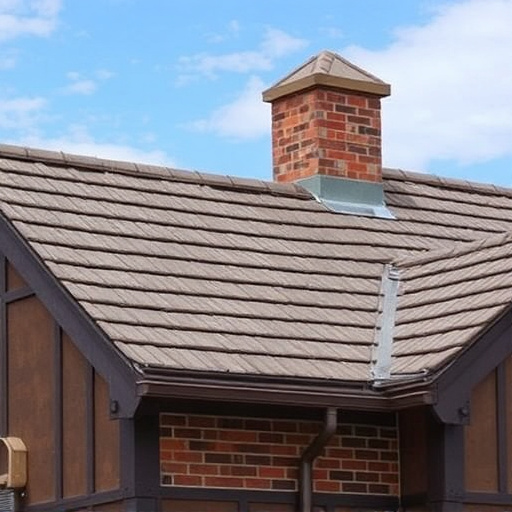
The desert climate presents unique challenges for any roofing material, and Oro Valley roofer specialists have seen firsthand how the harsh conditions can impact different common roof types. Understanding these vulnerabilities is crucial for homeowners looking to maintain their properties' most critical system. Let's explore some of the most popular roofing materials used in the Town of Oro Valley and their specific weaknesses in such an environment.
Concrete tile roofs, for instance, are a popular choice in the region due to their durability and ability to withstand extreme temperatures. However, in the face of persistent desert winds, they can experience some notable wear. The constant movement of air can loosen tiles over time, creating a need for frequent repairs or even full replacements. While concrete tiles are resistant to fire and water damage, they can be susceptible to UV degradation, leading to a loss of effectiveness as a cool roof-a critical consideration during the monsoon season.
Shingle roofs, on the other hand, are known for their versatility and relatively low cost. Asphalt shingles are particularly common in the area. Yet, the intense sunlight and heat can cause these shingles to dry out and crack, significantly reducing their lifespan. Shingles are also vulnerable to wind damage, especially in areas with weak spots like valleys or corners, which can lead to leaks and further structural problems. An experienced Oro Valley roof specialist often recommends inspecting these roofs more frequently to mitigate such risks.
A growing trend in the region is the adoption of cool roof options to combat the heat. Metal roofing, for example, offers excellent resistance to heat transfer and can significantly lower a home's energy costs. However, metal is not without its challenges. It's prone to damage from falling debris, such as branches or rocks, and can corrode when not properly coated or maintained. Proper installation and regular checks are essential to ensure a metal roof's longevity.
Oro Valley homeowners must consider the unique demands of their region when selecting a roof type. Regular maintenance, understanding material limitations, and staying informed about the latest roofing trends and technologies will help ensure a roof's durability and contribute to the overall value of a property.
Worn-Down Signs: How to Spot Damage Early
The desert climate presents unique challenges for even the sturdiest roofs. Unlike milder climates, the scorching heat, intense sunlight, and occasional hail can accelerate the natural aging process of roof materials. Recognizing the signs of wear and tear early is crucial to prevent costly repairs or even roof replacement. This is especially true for common roof types found in areas like Stone Canyon and the Catalina Foothills, where homes are exposed to these harsh conditions daily.
One of the most visible indicators of a worn-down roof is missing or broken shingles. Shingles, whether asphalt, tile, or metal, are designed to protect the underlayment from the elements. When they start to curl, crack, or lift, it's a clear signal that your roof is losing its protective barrier. In the summer heat, asphalt shingles can become brittle and prone to tearing, while metal shingles may corrode over time, especially if not properly installed or maintained. To missing shingles, keep an eye out for dark spots, which often indicate mold or mildew growth caused by trapped moisture. This is particularly relevant during monsoon seasons when sudden downpours can overload a roof's drainage system.
Regular maintenance and inspections are key to catching potential issues early. An experienced Oro Valley roof specialist recommends examining your roof at least once a year, or more frequently if you live in an area prone to extreme weather. During these checks, look for signs of water damage, like discolored or warped wood, or soft spots that might indicate a compromised section of the roof. Also, pay attention to the overall shape and alignment of your roof. Over time, a poorly installed or maintained roof can develop a sag or an uneven surface, indicating structural damage. By addressing these issues promptly, you can extend the lifespan of your roof and ensure your home remains protected against the elements, whether it's the scorching sun of the desert or the occasional rain shower.
Effective Maintenance: Preserving Desert Roofs
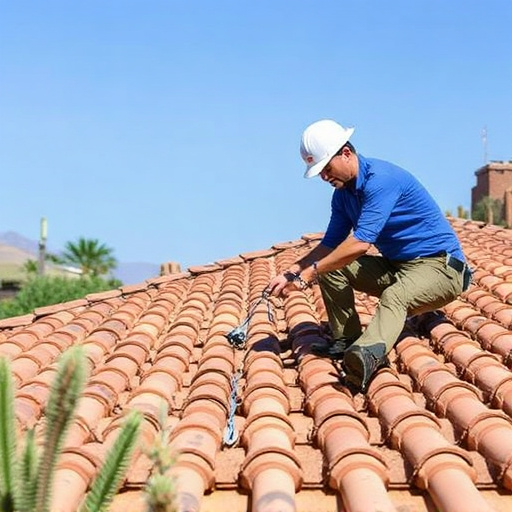
The desert climate presents unique challenges for homeowners in Oro Valley, particularly for roof maintenance. With intense sunlight, high temperatures, and occasional extreme weather events, different roof types react uniquely to these conditions. Understanding these reactions is crucial for effective maintenance and extending the lifespan of your roof. Let's explore the common roof types found in the region and how they fare under such demanding conditions.
Residential roofing in Oro Valley and Marana often includes a variety of materials, each with its own resilience against desert climate conditions. Tile roofs, popular for their aesthetic appeal, are highly durable but require careful installation and maintenance. They can handle the intense sunlight but are sensitive to extreme temperature changes, which might lead to cracks if not properly sealed. On the other hand, foam roofs, known for their excellent insulation properties, can be susceptible to damage from UV radiation, causing them to degrade faster than expected. Shingle roofs, a common choice due to their versatility and cost-effectiveness, can vary in durability; asphalt shingles, for example, may start to curl or crack when exposed to prolonged heat.
Regular maintenance is key to preserving your Oro Valley roof, regardless of its type. This includes annual inspections to identify any signs of damage or wear, such as missing or loose shingles, cracks in tiling, or mold growth. Addressing these issues promptly is essential. Cleaning your roof to remove debris and algae buildup can prevent water damage and ensure better drainage, a critical factor in preventing roof leaks during monsoon season. Applying reflective coatings or cool roofs can help mitigate the impact of intense sunlight, reducing heat absorption and extending the life of your roofing material. An experienced Oro Valley roof specialist recommends consulting with a professional to determine the most suitable maintenance plan for your specific roof type and local climate conditions.
Frequently Asked Questions About an explainer on how the desert climate wears down different roof types
What causes roofs to deteriorate faster in desert climates?
The intense sunlight, high temperatures, and dry air characteristic of desert climates accelerate the aging process of roofing materials. UV rays from the sun can break down the bonds in asphalt shingles, causing them to crack and curl. Extreme temperature fluctuations, from scorching heat to freezing cold nights, expand and contract roofing materials, leading to cracks and leaks. The lack of moisture in the air increases the risk of fire and promotes mold growth on some roofing materials.
Which roof types are most susceptible to desert climate damage?
All roof types experience wear and tear in desert climates, but some are more vulnerable than others. Clay and ceramic tile roofs, known for their durability, can still crack due to thermal expansion and contraction. Metal roofing, while fire-resistant, may corrode from the salt in the air. Asphalt shingles, the most common material, are susceptible to sun-induced degradation and wind damage, leading to early replacement. Flat roofs, common in desert regions, are particularly prone to leaks caused by the build-up of moisture and intense sunlight.
How often should I expect to replace my desert climate roof?
The lifespan of a roof in a desert climate depends on several factors, including material quality, installation, and maintenance. Generally, high-quality roofs can last 20-30 years, while lower-grade materials may need replacement after 15 years. Regular inspection and maintenance can extend roof life. Look for signs of damage, such as missing shingles, leaks, or mold, and address these issues promptly.
What can I do to protect my roof from desert climate damage?
Beyond regular maintenance, several strategies can safeguard your desert roof:
- Choose suitable materials: Select materials designed for desert climates, like reflective shingles that reduce heat absorption.
- Provide adequate ventilation: Adequate ventilation minimizes temperature extremes and moisture build-up, protecting against leaks and mold.
- Apply a reflective coating: A reflective coating can reduce the amount of heat transferred to the roof, lowering cooling costs and lessening wear.
- Regular cleaning: Remove dust and debris from your roof to prevent blockages that can lead to water damage.
How does wind affect roofs in desert regions?
Wind is a significant factor in desert climate roof damage. High winds can rip shingles from their nails, expose underlayment, and even lift entire sections of roof. This can lead to water intrusion and structural compromise. Reinforced roofing materials and proper fastening techniques are crucial to mitigate wind damage.
What are the signs of a failing roof in a desert environment?
The desert climate's unique conditions present distinct challenges for various common roof types. Understanding these vulnerabilities is key to maintaining a robust and long-lasting roof. By recognizing signs of wear and implementing targeted maintenance, homeowners can extend the lifespan of their roofs and avoid costly repairs. This article has illuminated the importance of choosing the right roofing material for the Oro Valley environment, planning installations around the monsoon season, and protecting landscaping during construction. It has also underscored the value of regular inspections and proactive care, especially for older homes. With these insights, homeowners are now equipped to make informed decisions, ensuring their roofs withstand the desert's test of time. Next steps include reaching out to local, licensed Oro Valley roofers for expert advice and scheduling regular maintenance to safeguard against the region's specific climate-driven roof aging.
The desert climate in Oro Valley presents unique challenges for various common roof types, including tile, foam, and shingles. Regular maintenance, understanding material vulnerabilities, and considering cool roof options are crucial for homeowners. Signs of aging roofs include missing or damaged shingles, dark patches, and mold growth. Proper installation, regular inspections, and timely repairs extend roof lifespans. Consulting with a local roofing contractor and understanding HOA guidelines are essential for choosing suitable materials, especially in areas with specific regulations.