In the arid climate of southern Arizona, planning a roofing project requires strategic thinking to ensure longevity and minimize disruption. The choice between hiring a professional roofer or attempting DIY repairs is a crucial decision, especially with varying seasonal demands.
Homeowners often face a dilemma during the monsoon season: when is the best time to tackle a roof replacement or repair? Selecting the right time of year can extend the lifespan of your roof and avoid costly emergency repairs. This article provides a practical guide to navigating the complexities of roofing in Oro Valley, offering insights into choosing the right roofer, understanding common roof types, and planning projects for optimal results in every season.
- Seasonal Considerations for Your Oro Valley Roof
- Hire a Licensed Roofer vs. Handyman in Arizona
- Planning Your Roof Project: Step-by-Step Guide
- Weather-Resilient Roofing for Southern Arizona Homes
Seasonal Considerations for Your Oro Valley Roof
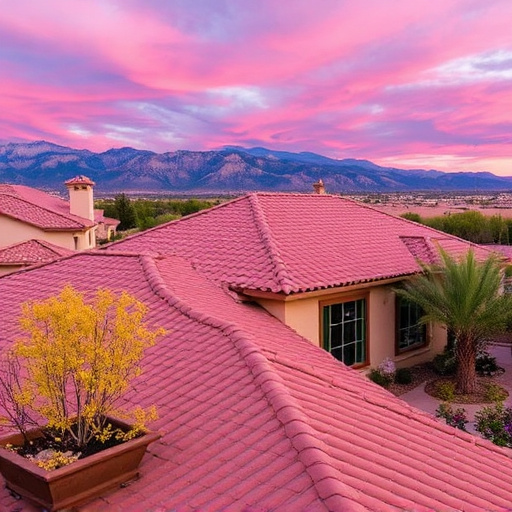
When planning a roofing project in Oro Valley, seasonal considerations are crucial for a successful and durable roof. In this desert climate, the varying conditions demand tailored approaches, from material selection to installation timing. The extreme heat during the summer months necessitates strategies to prevent rapid degradation of roofing materials, while the monsoon season brings its own set of challenges and opportunities for scheduling.
One of the primary decisions homeowners face is choosing between a roofer and a handyman. A licensed Oro Valley roofer, like DC Roofing of Arizona, brings specialized expertise, ensuring the job is done correctly and efficiently. They have the experience to navigate the unique challenges of local roofing, such as protecting landscaping during installation and adhering to Homeowners' Association (HOA) roofing approvals, which are common in neighborhoods like Canada Hills and Rancho Vistoso. Shingle roofs, for example, require specific care to withstand the intense sun and occasional thunderstorms, while also offering a practical and cost-effective option for many Oro Valley homes.
The planning process should account for the lifespan of materials, with different roofing options varying greatly. Tile roofs, known for their durability, can last 50 years or more but may be more expensive to install. Foam and shingle roofs offer more budget-friendly alternatives, but with reduced lifespans, typically ranging from 15 to 30 years. Understanding these differences is key to setting expectations and budgeting accordingly. The monsoon season provides a natural window for many roofing projects, as it allows for quicker drying times between rain events. However, this also means managing noise and dust levels during installation, especially when working in close proximity to neighbors' properties and courtyards.
To ensure the longevity and aesthetic appeal of your roof, regular maintenance is crucial, especially for desert climates. Seasonal residents should prioritize roof care, addressing any signs of wear and tear promptly. After a particularly harsh summer, inspect your roof for damaged or missing shingles, as well as for signs of mold or mildew. Planning regular inspections, especially when your roof is older, can help in catching issues early. Remember, a well-planned roofing project, executed by a reliable roofer, can enhance the value of your Oro Valley home while providing a protective canopy for years to come.
Hire a Licensed Roofer vs. Handyman in Arizona
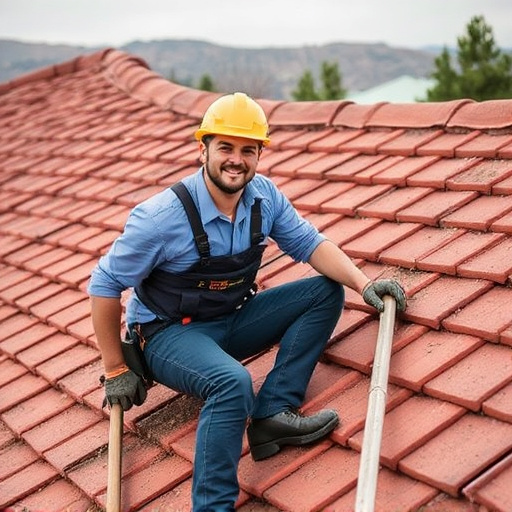
When planning a roofing project in Oro Valley, Arizona, one of the most critical decisions homeowners make is whether to hire a licensed roofer or a handyman. This choice is essential, especially in the unique climate and conditions of southern Arizona, where desert heat and seasonal weather patterns play a significant role. While a handyman may seem like a cost-effective solution, an experienced Oro Valley roof specialist advises that professional roofing services are often the better investment, particularly for larger or more complex projects.
In the hot, dry summers of southern Arizona, including the Catalina Foothills area, roofing materials and installations must withstand extreme heat and sunlight. This environment can accelerate the aging process of traditional roofing, such as shingles, requiring more frequent replacements. Conversely, cool roofs, which reflect sunlight and absorb less heat, are an increasingly popular choice. Many homeowners in Oro Valley are discovering the benefits of cool roofs, especially when seeking to reduce energy costs and improve their home's resale value. However, not all roofers are equipped to install these advanced systems, making it crucial to choose a licensed professional who understands the local climate and building codes.
Homeowners should also consider the time and hassle of a DIY project versus the expertise and efficiency of a professional roofer. Most roofing installations, especially those involving new homes or extensive repairs, can take one to two days or more to complete. During the monsoon season, which brings sudden and intense rainfall, rushing a project to finish can lead to poor workmanship or safety hazards. A licensed roofer, familiar with local weather patterns and HOA approval processes, can plan and execute a project more effectively, ensuring compliance with community building supplies and safety regulations. Many HOAs in Oro Valley require specific cool roof options to maintain energy efficiency standards, a detail that a handyman might overlook.
Planning Your Roof Project: Step-by-Step Guide
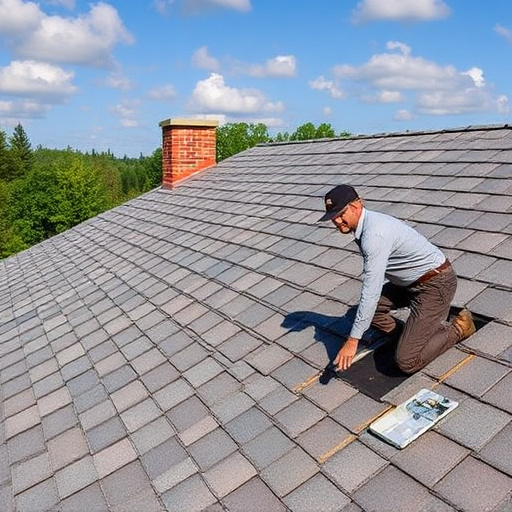
Planning your roofing project in Oro Valley involves several crucial steps, especially when considering the unique climate and seasonal changes of southern Arizona. The desert environment poses specific challenges, from intense UV exposure to unpredictable monsoon storms. Engaging a reliable local roofing company serving Oro Valley, like DC Roofing of Arizona, can significantly enhance your project's success and longevity. Here's a step-by-step guide to navigate this process effectively.
Next, obtain the necessary permits and HOA approval. Oro Valley roofing permits and HOA approvals are essential, ensuring your project complies with local regulations and neighborhood standards. Engage with your roofing crew early in this process to understand their requirements and the timeline for obtaining these approvals. For seasonal residents, protecting your landscaping during roofing is paramount. Discuss with your crew how they'll mitigate dust and debris, and plan for the duration of the job, which typically takes one to two days for most installations. Remember, some roofing jobs are best left to professionals; DIY projects can be risky, especially for complex styles like courtyard or flat section roofs.
Weather-Resilient Roofing for Southern Arizona Homes
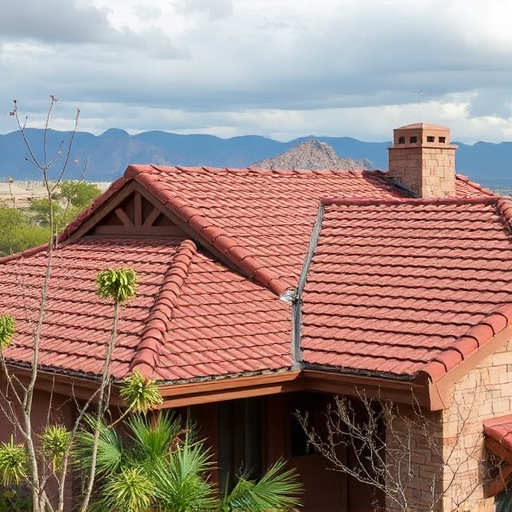
When planning a roofing project in southern Arizona, particularly in Oro Valley, the choice between hiring a licensed roofer or attempting DIY is crucial, especially considering the region's unique weather challenges. The desert climate presents specific issues, such as intense summer heat and rapid changes in temperature during the monsoon season. These conditions demand roofs that are not only durable but also weather-resilient, a key factor in ensuring the long-term protection of your home.
A local roofing company serving Oro Valley, like those with an Arizona ROC license, is an ideal partner for tackling these challenges. They understand the local climate and building codes, ensuring your roof is not only functional but also compliant with HOA regulations. Many HOAs in Oro Valley require roofs that can withstand the extreme heat and sudden storms, often specifying cool roof options that reflect sunlight and reduce energy costs. When planning around the monsoon season, hiring a professional roofer is essential. They can schedule your project to avoid the most intense weather, minimizing delays and potential damage to your new or repaired roof.
The lifespan of a roof varies significantly based on material. Tile roofs, for example, offer excellent durability but can be prone to breakage in extreme winds and require more maintenance. In contrast, spray polyurethane foam (SPF) roofs, a popular choice in southern Arizona, provide exceptional wind resistance and can last for decades with the right maintenance. SPF roofs are also energy-efficient, helping to keep your home cool during the hot summer months. When considering your options, remember that a good roofing crew, composed of licensed and experienced professionals, can offer valuable insights tailored to your Oro Valley home. They can guide you on the best materials, designs, and installation techniques for your specific needs, ensuring a robust and resilient roof that stands the test of time and the unpredictable desert climate.
Frequently Asked Questions About advice on planning a roofing project around the seasons in southern Arizona
What is the best time to start a roofing project in southern Arizona?
In southern Arizona, the best time to start a roofing project is during the cooler months, specifically from October to April. This period offers milder temperatures, making working conditions more comfortable for both contractors and residents. The monsoon season, typically from June to September, can bring heavy rainfall and high humidity, making outdoor work more challenging and potentially delaying projects.
How does the monsoon season affect roofing projects?
The monsoon season in southern Arizona can significantly impact roofing projects. Intense rainfall and sudden storms can cause flooding, leading to delays and potential damage to newly installed or existing roofs. High humidity levels during this time can slow down the drying process for materials like spray polyurethane foam (SPF), which is commonly used for roofing. Proper planning, including scheduling and material selection, is crucial to mitigate these effects.
Are there specific materials better suited for southern Arizona's climate?
Yes, choosing the right materials is essential for a successful and durable roof in southern Arizona's climate. Light-colored materials like reflective shingles or SPF are recommended to reflect sunlight and reduce heat absorption. Materials resistant to high winds, extreme temperatures, and fire are crucial due to the region's desert environment. Consult with a licensed roofer like DC Roofing of Arizona to determine the best options for your specific location.
What should I do before a roofing project during the hotter months?
Before starting a roofing project during the hotter months, ensure your home is adequately prepared. Trim any nearby trees and brush to prevent debris from blocking gutters and drains. Schedule the project during the coolest parts of the day, typically early morning or late afternoon. Also, ensure proper ventilation in your home during and after the project to combat heat-related issues.
How can I ensure my roof is ready for the next monsoon season?
To prepare your roof for the next monsoon season, perform regular maintenance throughout the year. This includes checking for loose or damaged shingles, inspecting gutters and drains for clogs, and sealing any leaks. A licensed roofing contractor can provide expert advice and perform thorough inspections to ensure your roof is in optimal condition before the monsoon season begins.
What are the signs I need a new roof?
Several signs indicate that you may need a new roof. These include missing or damaged shingles, visible water stains or mold on the ceiling, uneven or bulging shingles, and leaks that cannot be easily repaired. Regular maintenance can help extend the life of your roof, but ultimately, a qualified roofer should inspect your property to provide an accurate assessment.
As you plan your roofing project in Oro Valley, consider the unique seasonal challenges of the desert climate. Choosing the right timing, the right roofer, and the right materials can extend your roof's lifespan and protect your home.
The article has highlighted the importance of hiring a licensed roofer in Arizona, especially when dealing with complex projects or specialized services. While a handyman might be suitable for minor repairs, roofing projects often require professional expertise and adherence to local regulations, such as Oro Valley's building permits and homeowners' association (HOA) approvals.
When preparing for a roof replacement or installation, follow a step-by-step guide: assess your roof's condition, choose a suitable roofing material (e.g., tile, foam, or shingles) for your home's style (Santa Fe, Spanish, or courtyard), and plan around the monsoon season. Protect your landscaping and neighbors from noise and debris during the project, and be aware that most installations take one to two days.
Finally, remember the value of proper roof care for seasonal residents and the impact of roofing choices on your home's resale value. By understanding these key insights, you can make informed decisions, ensuring your Oro Valley roofing project is a successful and stress-free one, whether you're planning for a new roof or maintaining an older one.
When planning a roof replacement or repair in Oro Valley, Arizona, consider these key factors:
- Seasonal Considerations: The desert climate demands tailored approaches. Summer heat necessitates materials that can withstand rapid degradation, while the monsoon season provides a scheduling window but also requires managing dust and noise.
- Roofing Material Choices: Tile roofs offer durability, while foam and shingle roofs are budget-friendly but have shorter lifespans. Understand these differences to set expectations.
- Hire a Licensed Roofer: In Oro Valley, a licensed professional brings expertise, ensuring quality and compliance with local building codes and HOA regulations. They can navigate unique challenges, like protecting landscaping and adhering to energy-efficiency standards.
- Monsoon Season Planning: This season provides a natural roofing installation window, but manage noise and dust levels. Professional roofers are experienced in scheduling around monsoon events.
- Regular Maintenance: In a desert climate, seasonal residents should prioritize roof care, inspecting for wear and tear. Regular inspections can catch issues early, ensuring your roof's longevity.