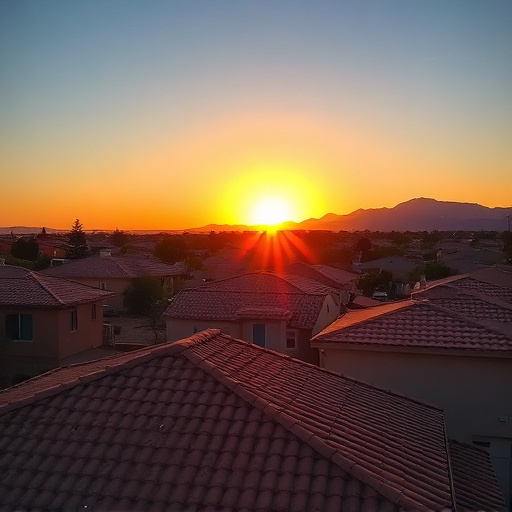
For Oro Valley homeowners, choosing the right roofing partner is crucial-it protects your investment, enhances curb appeal, and ensures your home's structural integrity. The problem? Understanding roofing materials, local regulations, and seasonal challenges can be overwhelming. This guide provides a practical overview tailored to Oro Valley residents, covering everything from understanding common roof types suitable for our desert climate to selecting the best cool roof options for energy efficiency. We'll explore local permits, HOA approvals, and expert advice on planning during monsoon seasons. By the end, you'll be equipped to make informed decisions, ensuring your roofing project is a success.
- Understanding Oro Valley's Roofing Climate
- Choosing Energy-Efficient Cool Roof Options
- Navigating Local Building Codes & Permits
- Maintaining Your Cool Roof Long-Term
Understanding Oro Valley's Roofing Climate
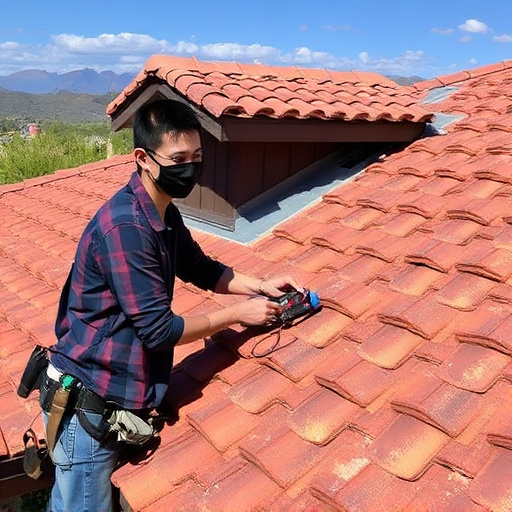
Oro Valley's desert climate presents unique challenges and opportunities for roofing. Understanding local conditions is crucial for any homeowner considering a roof replacement or installation. The region's hot, dry summers and occasional monsoon rains require roofing materials that can withstand extreme temperatures and sporadic, intense rainfall.
Shingle roofs, a common choice in the area, offer a practical solution. They are durable, affordable, and readily available. However, traditional shingles may not be the best option for all situations. Clay tile, for example, has gained popularity in Oro Valley for its exceptional heat resistance and longevity. This natural material, often hand-crafted, adds a distinctive aesthetic appeal, particularly in homes with a Rancho Vistoso or Spanish Colonial style. Cool roof options are another viable choice, designed to reflect sunlight and reduce heat absorption, thereby lowering energy costs and extending the life of the roof.
An experienced Oro Valley roof specialist recommends evaluating your home's age, style, and energy goals when selecting a roofing material. For older homes, a roof specialist might suggest upgrades to more modern materials that can improve energy efficiency and reduce long-term maintenance. In any case, choosing the right roofing material is a significant decision that impacts both the aesthetics and functionality of your home. Properly installed, these materials can provide decades of reliable protection against the harsh desert climate.
Choosing Energy-Efficient Cool Roof Options
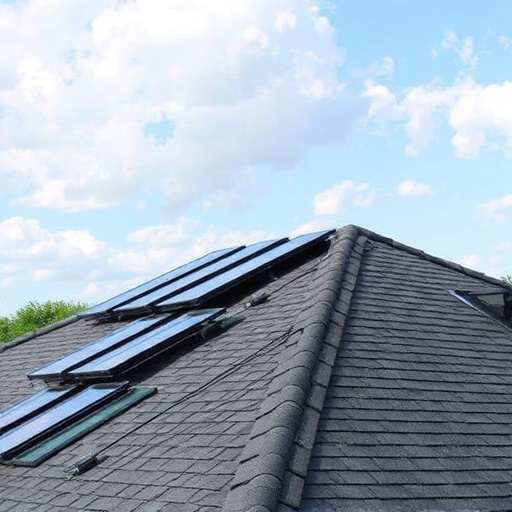
Choosing energy-efficient cool roof options is a strategic decision for Oro Valley homeowners, particularly given the region's desert climate and the challenges posed by the monsoon season. As the sun's rays can significantly impact indoor temperatures, selecting the right roofing material can make a substantial difference in your home's energy efficiency and overall comfort. Cool roofs are designed to reflect sunlight, reducing heat transfer into the home, which translates to lower air conditioning costs.
When considering residential roofing in Oro Valley, clay tile has long been a popular choice for its durability and aesthetic appeal. However, modern cool roof options have emerged that can enhance these benefits. Reflective or cool-colored shingles, for instance, can mimic the natural shade of clay tile while offering superior heat reflection capabilities. This is especially beneficial for patio homes and casitas, where a cool roof can help maintain a comfortable living environment during the hot summer months.
DC Roofing of Arizona, a local Oro Valley roofer, emphasizes the importance of planning for the monsoon season when installing cool roofs. The monsoon brings intense heat and increased UV exposure, so choosing materials that can withstand these conditions is crucial. Cool roofs are engineered to do just that, ensuring your home remains protected even during the peak summer months. With the right cool roof option, you may qualify for tax incentives and rebates, further enhancing the energy savings and making the initial investment more feasible.
Consider a courtyard home with a traditional shingle roof. This not only lowers energy costs but also extends the lifespan of your roof by minimizing the impact of desert climate conditions. Remember, the right choice depends on your home's design, energy goals, and budget.
Navigating Local Building Codes & Permits

Navigating Local Building Codes & Permits
Choosing a roofing contractor in Oro Valley involves understanding and adhering to local building codes and permits. These regulations are designed to ensure the safety and integrity of your home, so it's crucial to work with licensed professionals who are familiar with these requirements. The best roofing contractors in Oro Valley, like those at DC Roofing of Arizona, hold an Arizona ROC license (1), demonstrating their competence and compliance with state standards.
When planning a roofing project, especially in the Catalina Foothills, the first step is to check with your local Oro Valley Building Department to understand the specific codes and permits required. This process can involve applying for building permits, ensuring your chosen cool roof options (2) align with local guidelines, and understanding any restrictions or requirements for materials and methods. Some areas may mandate specific types of roofing materials or ventilation systems for energy efficiency.
A key aspect to keep in mind is the timing of your project. Oro Valley's monsoon season can impact construction schedules, so planning around these weather patterns is essential. Some projects may require additional permits or inspections, such as those for patio homes or casitas, which have unique structural considerations. Engaging with a roofing contractor who is well-versed in these local nuances can streamline the process and ensure your project is done right and up to code.
Maintaining Your Cool Roof Long-Term
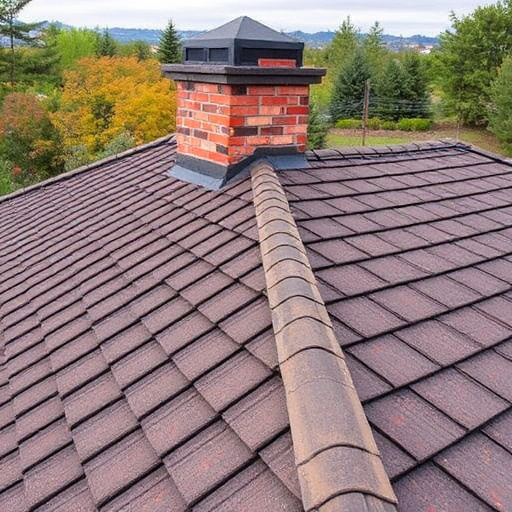
Maintaining a cool roof is crucial for Oro Valley homeowners, especially in the desert climate where UV exposure can be intense. Over time, the performance and longevity of your roof can be significantly impacted by this constant exposure. To ensure your roof stays in top condition, consider these long-term cool roof options and care strategies.
One of the primary concerns for any roof in the Catalina Foothills is the cumulative effect of UV radiation. This can cause the degradation of shingles, tiles, or other roofing materials, leading to premature aging and failure. A licensed roofer in Oro Valley can offer expert advice on which cool roof materials are best suited to your home's design and climate. Reflective shingles or metal roofing can significantly reduce heat absorption, prolonging the lifespan of your roof. Regular inspections by a local roofing company serving Oro Valley can also help identify early signs of UV damage, allowing for prompt repairs.
Planning for the long term, homeowners should be aware that cool roof options not only reduce energy costs but also contribute to the overall resale value of a property. A well-maintained, energy-efficient roof can be a significant selling point. To maximize the benefits, consider the local weather patterns and peak seasons for roof replacements. In Oro Valley, for instance, the monsoon season can present unique challenges, necessitating careful planning and potentially timed repairs to avoid disruptions. By balancing the need for a cool roof with practical considerations, homeowners can ensure their investment in roofing is protected for years to come.
Frequently Asked Questions About a Practical Overview of Roofing for Oro Valley Homeowners
What is the best type of roofing material for an Oro Valley home?
The best roofing material depends on your home's design, climate, budget, and personal preference. In Oro Valley, Arizona, with its hot summers and mild winters, a durable, energy-efficient, and low-maintenance roofing material is ideal. Many homeowners opt for tile or metal roofing. Clay tile is a popular choice for its beauty, durability, and ability to withstand high winds. Metal roofing, particularly aluminum or steel, offers excellent longevity, reflectivity (reducing cooling costs), and minimal maintenance. When choosing, consider local building codes, your home's architecture, and long-term costs.
How do I know if my roof needs replacing?
Several signs indicate your roof may require replacement. Look for missing, curled, or damaged shingles; leaks or moisture in the attic; rust or rot on the gutters or under the roof; and an increase in energy bills. If your roof is more than 20 years old, it's likely reaching the end of its lifespan. A licensed roofer can conduct a thorough inspection to determine if a replacement is necessary and recommend the best course of action.
What are the most common roofing repair issues in Oro Valley?
Oro Valley's extreme weather conditions, including powerful thunderstorms and high winds, can lead to several common roofing repair issues. These include missing or damaged shingles, leaks due to broken or loose flashing, deteriorated or blocked gutters, and wind damage, especially to roof vents. Regular maintenance and inspections can help prevent these issues. Promptly addressing any repair needs is crucial to avoid more extensive damage and potential safety hazards.
How can I extend the lifespan of my roof?
Regular maintenance is key to extending the lifespan of your roof. This includes cleaning gutters and drains to prevent clogs, inspecting the roof for damage after severe weather, and sealing any leaks or cracks. Keep an eye on the condition of your shingles-replace any missing or damaged ones promptly. Using weather-resistant underlayment, proper ventilation, and reflective or cool roofing materials can contribute to a longer-lasting roof.
What should I do if my roof is leaking?
If you notice a leak in your roof, don't delay! Contact a licensed Oro Valley roofer as soon as possible. They can identify the source of the leak, provide a repair estimate, and perform the necessary repairs to prevent further damage. It's important to fix leaks promptly to avoid water damage to your home's interior, mold growth, and structural problems.
As Oro Valley homeowners, understanding the unique roofing challenges posed by our desert climate is crucial for making informed decisions. By choosing energy-efficient cool roof options, you can mitigate the intense summer heat, reduce cooling costs, and lower your carbon footprint. Navigating local building codes and permits ensures your project complies with Oro Valley's regulations, streamlining the process and preventing future complications. Maintaining your cool roof long-term involves regular inspections and proper care, ensuring its longevity and continued energy savings.
By integrating these key insights, you're not just enhancing the efficiency of your home but also contributing to a more sustainable Oro Valley community. A well-maintained cool roof can significantly impact your energy bills, making your home more comfortable and your wallet happier. Next steps include consulting with a local roofing expert who specializes in cool roof options, reviewing your home's current roofing system, and planning for any necessary upgrades or repairs.
Oro Valley homeowners face unique roofing challenges from the desert climate and monsoon season. Shingles are common but may not be optimal; clay tile and cool roof options offer better solutions. Choosing the right material depends on home age, style, and energy goals, impacting aesthetics and functionality.
Cool roofs, when planned and maintained properly, can reduce energy costs, extend roof life, and increase home resale value. Regular inspections and long-term care are essential to protect against UV damage.