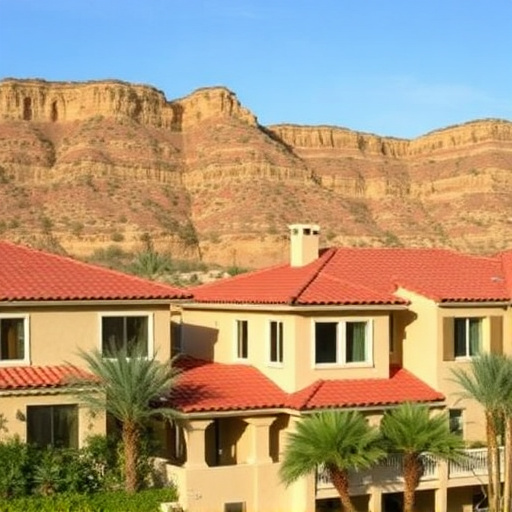
In Oro Valley, choosing the right roofing material is crucial for both aesthetics and functionality, especially considering the region's unique desert climate. Homeowners often face a dilemma when deciding between tile, foam, or shingles for their roofs, each offering distinct advantages and considerations. This comparison aims to guide residents through this essential decision, especially when navigating the challenges of seasonal weather and local HOA regulations. We'll explore the pros and cons of each option, highlighting when each type might be best left to professional installers, such as when dealing with complex designs or older homes. By the end, you'll have a clear understanding of which roofing material aligns best with your desert home.
- Understanding Desert Climate Conditions for Roofing
- Tile Roofing: Pros, Cons, and Maintenance in Arid Regions
- Foam Roofing: An Efficient, Durable Choice for Desert Homes
- Shingle Roofing: Popularity and Long-Term Performance in Dry Climates
Understanding Desert Climate Conditions for Roofing
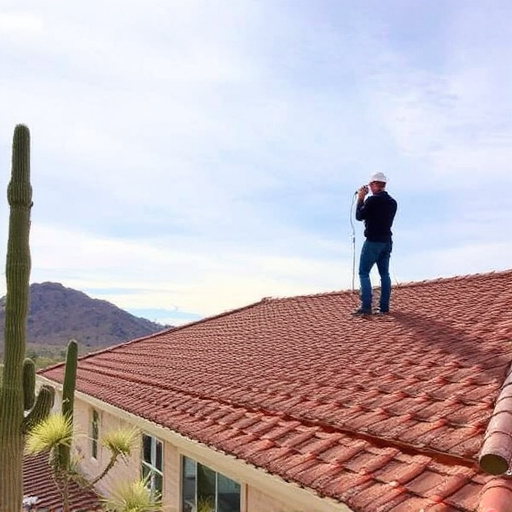
The desert climate in Oro Valley presents unique challenges for roofing materials and installation techniques. High temperatures, intense sunlight, and rapid temperature fluctuations during the day and night can significantly impact a roof's performance and longevity. When considering a new roof or replacing an old one, understanding these conditions is crucial for a successful and durable installation.
Tile roofs, known for their aesthetic appeal, are popular in the area but require careful consideration. While tile offers excellent resistance to fire and high winds, it's heavy and requires a robust structural framework. In the desert heat, proper ventilation beneath the tiles is essential to prevent excessive heat buildup and avoid damaging the underlayment. Tile roofs can be more challenging to install, making them a roofing job best left to professionals, especially when dealing with complex designs or older homes. A roofing contractor serving Oro Valley and Marana might recommend a custom tile installation for a Foothills custom home, ensuring both style and structural integrity.
Foam roofing has gained traction in recent years as a lightweight, cost-effective option. Its low weight reduces the structural demands compared to tile or shingle roofs, making it an attractive choice for patio homes and casitas. However, the desert climate poses a challenge for foam's performance. Extreme temperatures can cause the foam to contract and expand, potentially leading to cracks and peeling over time. To mitigate these issues, it's crucial to ensure proper installation, including adequate sealing and ventilation. Homeowners considering foam should also be aware of local HOA approval processes, as some restrictions may apply to this alternative material.
Shingle roofs, a traditional choice, offer a more affordable option with a wide range of styles, from asphalt to wood shakes. They are relatively easy to install, especially for straightforward patio homes. Yet, the desert's harsh conditions can take a toll on shingles. UV rays can break down the materials, leading to premature aging and cracking. Rapid temperature changes cause shingles to expand and contract, potentially causing them to curl or become loose. To combat these issues, regular inspections and prompt repairs are essential. Homeowners should also be aware of the local roofing permit requirements and consider the environmental impact of their choice, as some materials may have a higher carbon footprint.
Tile Roofing: Pros, Cons, and Maintenance in Arid Regions
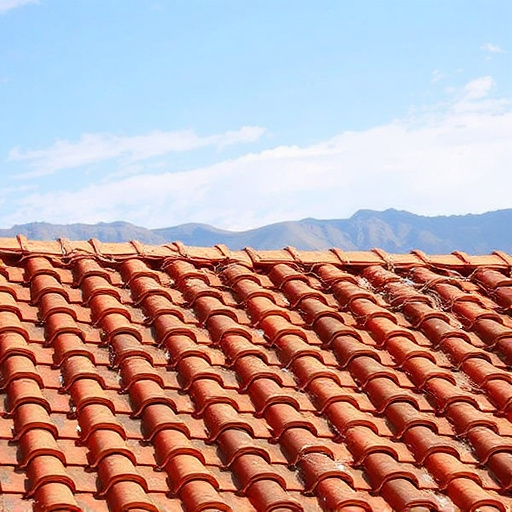
In arid regions like Oro Valley and Marana, selecting the right roofing material is crucial for both aesthetics and longevity. Tile roofing, a popular choice for desert homes, offers distinct advantages and challenges. It is a durable, long-lasting option, often preferred for its elegant, low-maintenance design. Clay and ceramic tiles can withstand extreme temperatures and intense sunlight, making them suitable for the region's climate. However, tile roofs can be more expensive to install and maintain compared to other materials, a key consideration for many homeowners. Regular cleaning and inspection are essential to prevent mold and algae buildup, which can impact the roof's performance and appearance. A licensed Arizona roofer may recommend a reflective coating to reduce heat absorption and further extend the roof's lifespan.
While tile roofing has its benefits, there are specific scenarios where DIY installation or maintenance is not recommended. Working with tile requires specialized knowledge and tools. Homeowners should consider the skill level required for repairs or replacements, as mistakes can lead to costly damages. Replacing a single tile might be manageable for an experienced DIYer, but extensive repairs or a complete re-roofing project are best left to professionals. The cost of materials and labor, coupled with the need for expert handling, makes tile roofing a significant investment.
For those seeking an affordable Oro Valley roofing solution, foam roofing presents an attractive alternative. This lightweight, energy-efficient option is gaining popularity due to its ease of installation and lower material costs. Foam roofs can be quickly applied over existing surfaces, reducing the time and mess associated with traditional roofing methods. However, foam does not offer the same level of durability as tile or shingles, and its performance in extreme weather events warrants careful consideration. Homeowners should weigh the benefits of a faster, cheaper installation against the potential for long-term repairs or replacements.
Foam Roofing: An Efficient, Durable Choice for Desert Homes
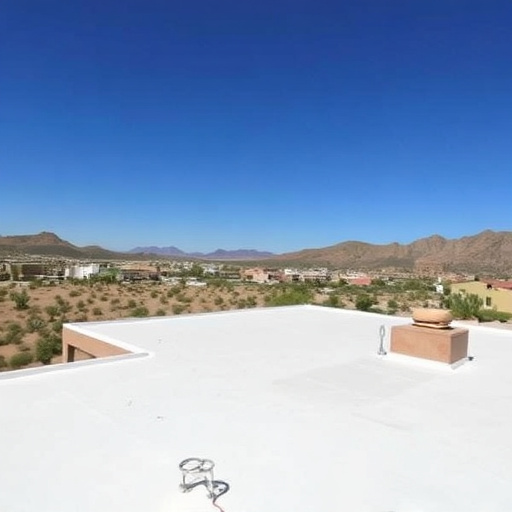
Foam roofing has emerged as an excellent choice for desert homes, offering both efficiency and durability. In the hot, dry climate of Oro Valley, where homes often face intense solar radiation and fluctuating temperatures, foam roofs provide a unique advantage. Unlike traditional materials, foam insulation can expand and contract with changing weather conditions, preventing premature aging and cracking. This makes it particularly well-suited for the challenges posed by the desert environment.
A local roofing company serving Oro Valley, for instance, might recommend foam roofing for its ability to provide superior insulation, reducing energy costs. Foam roofs can be installed over concrete tile or other substrates, offering flexibility in design. They can be easily integrated with reflective coatings, enhancing energy efficiency and protecting the underlying structure from excessive heat gain. This is especially beneficial for homes in upscale neighborhoods like La Reserve, where aesthetic appeal and energy conservation go hand in hand.
While tile and shingle roofs have their merits, foam roofing offers a few key advantages that make it a roofing job best left to professionals. First, the application process requires specialized equipment and expertise to ensure even coverage and effectiveness. Second, foam roofs can be more challenging to repair or replace, making DIY efforts potentially futile and costly. A damaged foam roof may require a complete re-application, which is best handled by experienced contractors who understand the material's unique properties. By choosing a reputable roofing contractor, homeowners can ensure their desert home's roof is both durable and efficient.
Shingle Roofing: Popularity and Long-Term Performance in Dry Climates
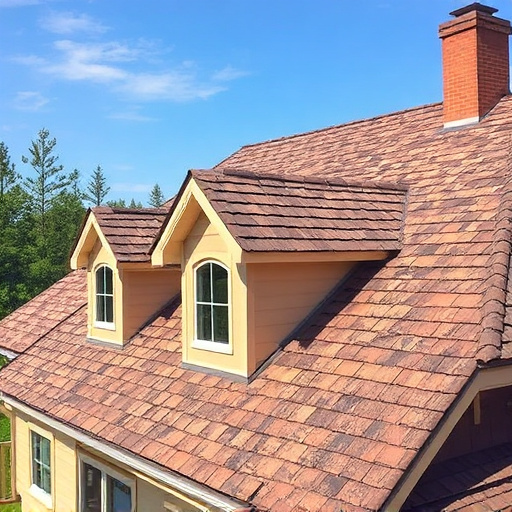
Shingle roofing is a popular choice for homes in the dry, desert climate of Oro Valley, often favored for its versatility and affordability. In the Pusch Ridge and Stone Canyon areas, where homes range from cozy casitas to larger patio residences, shingles offer a practical solution for protecting against the harsh sun, strong winds, and occasional thunderstorms characteristic of the region.
While aesthetically appealing, with a wide range of colors and styles available, shingle roofs also provide long-term durability. Properly installed and maintained, shingle roofs can last 20 to 30 years, making them a sound investment for homeowners. However, the extreme heat and rapid temperature changes of the desert summer can take a toll on shingles. As a result, it's crucial to choose a high-quality material and rely on experienced installers like DC Roofing of Arizona to ensure proper placement and ventilation. Regular inspections and timely repairs are essential to prolong the lifespan of a shingle roof in this demanding environment.
Many homeowners in Oro Valley, particularly seasonal residents, find that roofing jobs, especially those involving shingle replacement or repair, are best left to the professionals. DIY efforts can be risky and often lead to issues that require even more extensive repairs down the line. Improper ventilation or misaligned shingles can create pockets of trapped moisture, leading to leaks and structural damage. By hiring a reputable Oro Valley roofer, homeowners can avoid these pitfalls and ensure their investment is protected.
Frequently Asked Questions About a comparison of tile, foam and shingle roofing for desert homes
What are the key considerations when choosing a roofing material for a desert home?
When selecting a roofing material for your desert home, consider several factors. Climate is paramount: in hot, dry conditions, reflectivity is crucial to prevent heat absorption and excessive energy costs. Also, consider durability, as desert environments can be harsh. Tile roofs, for instance, are known for their longevity but can be heavy and may require additional structural support. Foam roofs offer excellent insulation and light weight, but they're less common and may not have the same aesthetic appeal as shingles or tiles. Shingle roofs are popular for their ease of installation and familiar look, but they may not withstand extreme wind or require more frequent repairs.
Which roofing material is most suitable for a desert climate?
In desert climates, tile roofs often excel due to their high reflectivity, which can significantly reduce cooling costs. The material's durability and long lifespan make it a solid choice. However, be prepared for a potentially higher upfront cost and the need for specialized installation. Foam roofs are also a strong contender, providing excellent insulation and a lower environmental impact thanks to its recyclability and low waste during installation. Shingle roofs, while popular, might not be the best investment in desert regions as they can become damaged from intense sunlight and high winds.
How do tile roofs benefit desert homes?
Tile roofs offer several advantages for desert homes. Their high reflectivity helps mitigate the urban heat island effect, keeping your home cooler and reducing energy consumption. They're also highly durable, with some tiles lasting over 50 years. Tile roofs have a long track record in hot, dry climates, making them a proven solution. Their natural beauty and variety of styles can enhance your home's curb appeal.
Are foam roofs a good option for desert homes?
Foam roofs are a viable and eco-friendly option for desert homes. They provide exceptional insulation, reducing heating and cooling costs. Because they're lightweight, foam roofs can be easier and less expensive to install than traditional roofs. However, their popularity is lower than shingles or tiles, and they might not offer the same aesthetic versatility. Always consult with a qualified contractor to assess their suitability for your specific desert environment.
How do I know if a shingle roof is the right choice?
While shingles are the most common roofing material, they might not be the best fit for desert regions. Shingle roofs can be susceptible to damage from intense sunlight, which can lead to premature aging and replacement needs. High winds can also pose a problem. However, if your primary concern is cost-effectiveness and a familiar look, shingles might still be a suitable option, especially with regular maintenance.
When selecting a roofing material for an Oro Valley home, understanding the desert climate's unique demands is crucial. This article has explored the strengths and weaknesses of tile, foam, and shingle roofs, each suited to different needs. Tile roofing excels in durability but requires meticulous maintenance in arid regions. Foam roofing offers superior insulation and longevity, making it an efficient choice for desert homes. Shingles, the most popular option, provide versatility and reasonable lifespan, but their performance in extreme heat is a consideration.
The key takeaway is that while these materials have distinct advantages, there's no one-size-fits-all solution. Homeowners with seasonal residences might opt for foam for its energy efficiency, while those seeking a low-maintenance option could favor tile. Shingles remain a popular choice for their aesthetic appeal and affordability.
When deciding on a roofing project, especially in Oro Valley, it's vital to consult professionals. Some tasks, like tile installations, are best left to experts due to their complexity. By understanding the pros and cons of each material, homeowners can make informed decisions, ensuring their roofs withstand the challenges of the desert climate while aligning with personal preferences and budgets. This knowledge empowers residents to communicate effectively with roofer contractors, ultimately leading to successful roofing jobs that can last for years.
In arid Oro Valley, selecting the right roofing material is crucial for aesthetics and longevity. Tile, foam, and shingle roofs each offer unique advantages and challenges. Tile is durable but heavy and requires careful ventilation; foam is lightweight and cost-effective but susceptible to temperature changes; shingles are affordable but prone to UV damage and rapid temperature fluctuations. Roofing jobs, especially complex installations or repairs, are best left to professionals due to the desert's demanding conditions. Consider material performance, installation expertise, and long-term maintenance needs when choosing a roofing solution.