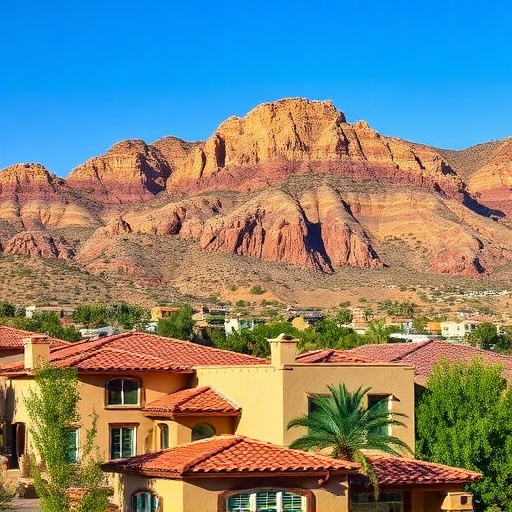
In the scenic landscape of Oro Valley, near the Santa Catalina Mountains, custom and foothills homes require specialized care for roofing. Understanding the unique challenges posed by the desert climate, local building codes, and homeowners' associations (HOA) is crucial for any homeowner or contractor. The roof is not just a protective shell; it's a critical component that impacts energy efficiency, curb appeal, and even resale value. This guide is designed to navigate the complex world of roofing in Oro Valley, from choosing the right materials and understanding common types to navigating HOA approvals and planning for the monsoon season. By the end, you'll be equipped to make informed decisions and ensure your roof stands the test of time.
- Understanding Roof Styles for Custom Homes
- Material Selection: Climate-Resistant Choices
- Navigating HOA Roofing Approvals
- Expert Installation and Longevity Strategies
Understanding Roof Styles for Custom Homes
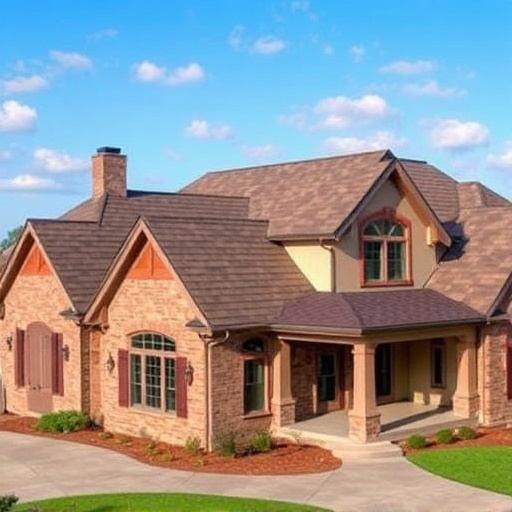
When designing or repairing a custom home in Oro Valley, nestled beneath the Santa Catalina Mountains, choosing the right roof style can enhance the building's aesthetics and functionality. The region's unique desert climate and the area's natural beauty call for roof materials that can withstand extreme temperatures and complement the surrounding landscape. This section explores several roof styles commonly seen in custom homes, focusing on their suitability for Oro Valley's distinct environment and considering local HOA roofing approvals.
One popular choice for residential roofing in Oro Valley is concrete tile. This durable material is designed to mimic the look of traditional clay tiles while offering superior strength and longevity. Concrete tiles are an excellent option for desert homes due to their ability to withstand high temperatures and minimal water absorption. They are also low-maintenance, easy to clean, and can be styled to complement a variety of architectural designs, from Santa Fe and Spanish revival styles to modern constructions. Many local HOAs in Oro Valley accept concrete tile roofs, making it a practical choice for homeowners seeking approval for their renovations.
Another trend in custom home roofing is the implementation of cool roofs. These are designed to reflect sunlight and absorb less heat, which can help reduce energy costs in the hot Oro Valley summers. Cool roofs can be achieved using reflective or light-colored materials, such as certain types of metal roofing or special coatings on shingles. This is particularly important for patio homes and casitas, which often have smaller, more exposed areas susceptible to excessive heat gain. While some homeowners may be hesitant to adopt cool roof options due to perceived aesthetics or initial costs, many find the long-term benefits, including reduced energy bills and improved indoor comfort, outweigh these concerns.
When considering a new roof or repairing an older one, homeowners should also think about the overall lifespan and maintenance of the material. While tile and concrete tile roofs are known for their longevity, they may require more specialized cleaning and repair than other materials. Shingles, on the other hand, offer a more affordable option, but their lifespan is generally shorter. Consulting with a licensed Arizona roofer familiar with Oro Valley's specific needs can help homeowners make informed decisions that align with their budget, style preferences, and local regulations.
Material Selection: Climate-Resistant Choices

When selecting roofing materials for a custom home or foothills residence near the Santa Catalina Mountains, climate resistance is paramount. Oro Valley's desert climate presents unique challenges, including intense sunlight, high temperatures, and occasional severe storms. These conditions demand materials that can withstand extreme weather and maintain their integrity for years.
Clay tile has long been a popular choice for its superior durability and aesthetic appeal. It's a suitable option for desert climates due to its excellent heat resistance and ability to handle varying temperatures. However, clay tile can be heavy, requiring robust structural support, and may be more susceptible to damage during intense storms. Licensed roofers in Oro Valley, like DC Roofing of Arizona, often recommend proper maintenance to ensure its longevity.
For a lighter, more modern alternative, consider foam roofs. This innovative option offers exceptional insulation properties, helping to keep the home cool during the hot summer months and offering excellent wind resistance. Foam roofs are relatively easy to install and can extend the lifespan of a structure, but they may not offer the same visual appeal as traditional clay tile. When selecting a material, homeowners should consider the home's design, their budget, and the specific requirements for HOA roofing approvals.
The best material choice depends on individual preferences, budget, and the home's architecture. Consulting with a licensed roofer who understands the local climate and building codes can help homeowners make an informed decision that ensures a durable, aesthetically pleasing roof.
Navigating HOA Roofing Approvals
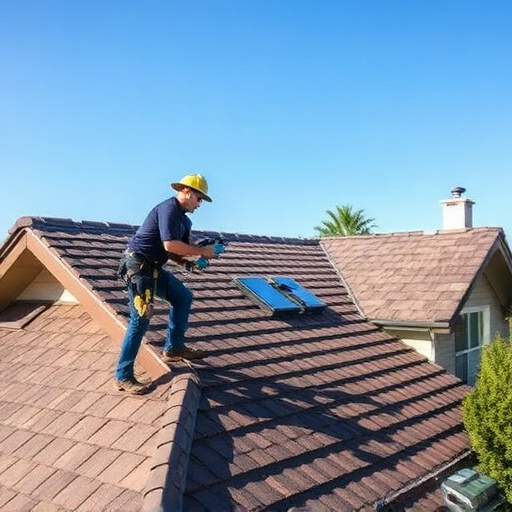
Navigating Homeowners' Association (HOA) Roofing Approvals in Oro Valley
Building a custom home or renovating a foothills residence near the Santa Catalina Mountains involves careful consideration of local regulations, especially for roofing. One of the most significant aspects is navigating HOA roofing approvals. Oro Valley, with its diverse neighborhoods and strict building codes, requires homeowners to adhere to specific guidelines when choosing a roofing material and design. A roofing contractor serving Oro Valley and Marana can provide invaluable assistance in this process, ensuring your project complies with all requirements.
HOA roofing approvals can be a complex process, as each association has its own set of rules and guidelines. These regulations often dictate the type, color, and style of roofing materials allowed, as well as the overall design and aesthetics of the roof. Some HOAs may mandate cool roof options to reduce energy consumption and improve the building's energy efficiency, especially in Arizona's hot climate. Others might prefer traditional styles like Santa Fe or Spanish roofing designs, which can add character and value to the home. Understanding these preferences and working with a contractor familiar with the local landscape can make the approval process smoother.
The approval process typically involves submitting detailed plans and specifications to the HOA. This includes information on the roofing material, such as tile, foam, or shingle, and its color, as well as the proposed design. For foam roofs, a licensed Arizona ROC contractor can explain the benefits and ensure the plans meet the HOA's expectations. The contractor's expertise in navigating these regulations is crucial, as they can provide insights into the most suitable roofing options and designs for your home. By following these guidelines and working with a qualified professional, homeowners can secure the necessary approvals and ensure their custom or foothills home is in compliance with local standards.
Expert Installation and Longevity Strategies

When planning or repairing a roof for a custom or foothills home in Oro Valley, near the breathtaking Santa Catalina Mountains, choosing the right roofing material and expert installer is crucial. This is especially true in our region's unique desert climate, where roofs face intense sunlight, extreme temperatures, and the challenges of the monsoon season. The longevity of your roof depends on selecting materials that can withstand these conditions and hiring a roofing crew with proven experience in the local environment, such as a local Oro Valley roofer.
For homes in the Catalina Foothills, concrete tile is a popular choice. It offers superior durability, a sleek aesthetic, and excellent resistance to heat and fire. This robust material can last for several decades with proper care, making it a wise investment for homeowners. However, not all concrete tile installations are created equal. It's essential to ensure the product is of high quality and that it's installed by a roofing crew familiar with the local building codes and HOA roofing approvals. Many HOAs in Oro Valley have specific requirements for roof materials and designs, and adhering to these guidelines is vital for a smooth approval process and to maintain property values.
Expert installation is key to achieving both longevity and aesthetic appeal. A skilled roofing crew understands the unique challenges posed by our monsoon season, when sudden and intense storms can occur. They'll use techniques and tools designed to speed up installation while ensuring a robust, weatherproof finish. They might use specialized equipment to quickly and efficiently lay the tiles, or employ advanced flashing techniques to seal the roof against leaks. A local roofing company serving Oro Valley, with a proven track record in the region, can provide valuable insights into navigating these challenges.
Planning around the monsoon season is another critical aspect of successful roofing projects. Timing your installation can significantly impact the overall process. By scheduling work during the drier months, you can avoid the risks and delays associated with heavy rainfall and lightning. This strategic planning, combined with high-quality materials and expert installers, ensures your new or repaired roof will stand the test of time, protect your home, and maintain its curb appeal in the rugged beauty of the Catalina Foothills.
Frequently Asked Questions About a guide to roofing for custom and foothills homes near the Santa Catalina Mountains
What are the most important factors to consider when choosing a roofing material for a custom home in the foothills? When selecting a roofing material for your custom home, consider climate, local regulations, budget, and aesthetics. In the foothills, consider fire resistance, durability against extreme weather, and energy efficiency. Consult with a local roofing expert to ensure compliance with building codes and fire regulations, especially near the Santa Catalina Mountains.
How do fire ratings affect roofing material selection? Fire ratings are crucial for homes in fire-prone areas like the foothills. Look for materials with high fire resistance ratings, such as metal roofing, tile, or concrete tile. These materials are less likely to burn and can help protect your home during a wildfire.
What are the benefits of choosing a local roofing contractor for my custom home? Hiring a local roofing contractor familiar with the area, building codes, and local climate brings several advantages. They can offer tailored advice, ensure compliance, and often provide faster service. Local contractors also understand the specific needs of the Santa Catalina Mountain region, like dealing with potentially severe weather events.
How can I tell if my roof needs replacement? Regular inspections are key to identifying roof damage. Look for missing or damaged shingles, water stains, peeling paint, or uneven spots. If you notice any of these signs or it's been several years since your last replacement, consider contacting a roofing expert for an assessment.
What is the typical timeline for a roofing installation project in the Tucson area? Most roofing installations in the Tucson area, including custom and foothills homes, typically take one to two days, depending on the size and complexity of the project. This includes preparation, installation, and cleanup. However, larger or more intricate projects may take longer.
How do I know if my home is suitable for a metal roof? Metal roofs are versatile and durable but may not be suitable for every home. Consider factors like your home's style, local climate, and budget. Consult with a roofing professional who can assess your specific situation. They can help determine if a metal roof aligns with your needs and preferences.
Choosing the right roofing materials for your Oro Valley custom home or foothills residence involves a thoughtful balance between aesthetics, durability, and climate considerations. Understanding local building codes and Homeowners' Association (HOA) roofing approvals is crucial for a seamless installation process. This guide has illuminated key strategies, from selecting climate-resistant materials like tile or metal to navigating HOA permits efficiently. Expert installation practices, including proper flashing and ventilation, ensure your roof's longevity, especially in the challenging desert climate. By prioritizing these factors and seeking professional advice, Oro Valley homeowners can make informed decisions, resulting in a robust, aesthetically pleasing, and value-retaining roof that stands the test of time and the monsoon season.
In Oro Valley, near the Santa Catalina Mountains, choosing the right roof is crucial for both aesthetics and functionality in the desert climate. Key options include concrete tile, known for its durability and heat resistance, and cool roofs, designed to reduce energy costs. Homeowners should also consider the lifespan and maintenance of materials, with shingles offering a more affordable but shorter-lived option.
Navigating HOA roofing approvals is essential, with each association having its own guidelines on material type, color, and design. A licensed roofer familiar with local regulations can help secure approvals and ensure a durable, aesthetically pleasing roof.
The best choice depends on individual preferences, budget, and architecture, with expert installation vital for longevity and curb appeal. Strategic planning around monsoon season further enhances the success of roofing projects in this region.