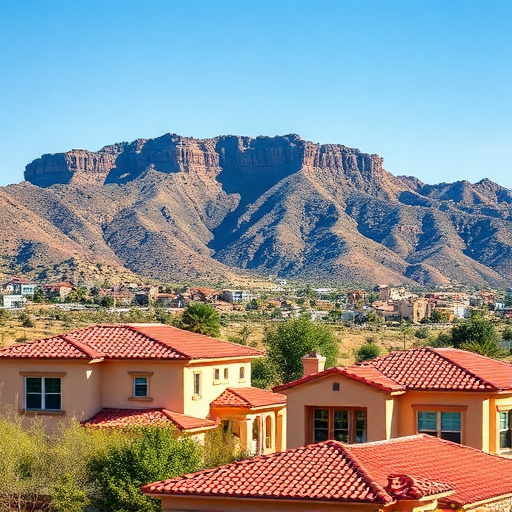
In southern Arizona, planning a roofing project requires understanding the unique challenges posed by the desert climate and seasonal weather patterns. Whether you're a seasoned homeowner or a new resident, choosing the right Oro Valley roofer and planning around the monsoon season is crucial. Recognizing the signs you need a new roof is essential, as is understanding how different roof types age in this environment. From Santa Fe and Spanish style roofs to tile, foam, and shingle installations, each has its own lifespan and maintenance considerations. This article provides expert advice on navigating these complexities, ensuring your project runs smoothly and your home stays protected.
- Understanding Seasonal Roofing Needs in Southern Arizona
- Signs Your Roof Needs Replacement: What to Look For
- Planning Your Roofing Project: Steps for Success
- Year-Round Maintenance: Ensuring Longevity & Protection
Understanding Seasonal Roofing Needs in Southern Arizona
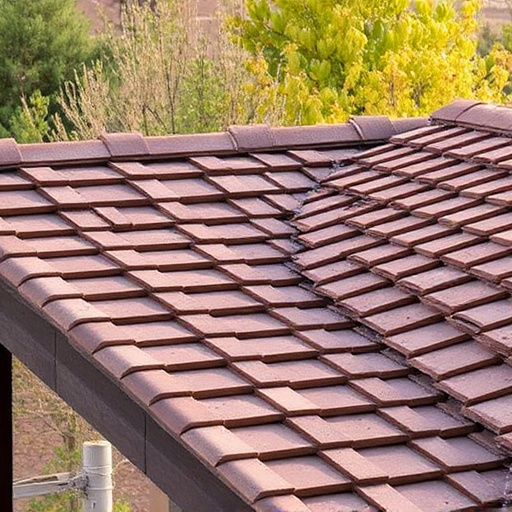
The unique climate and diverse architectural styles of southern Arizona present specific challenges and opportunities when planning a roofing project. As an experienced Oro Valley roof specialist, understanding these seasonal factors is key to ensuring a successful and durable roof installation. In this region, the intense summer heat and frequent monsoon storms in the summer months, followed by the cooler, drier winter, significantly impact the performance and longevity of roofing materials.
In the scorching summer, when temperatures regularly surpass 100F in the Town of Oro Valley and surrounding areas like Canada Hills and La Reserve, certain roofing materials may experience accelerated deterioration. Asphalt shingles, a common choice for desert climates, can lose their protective properties and become more susceptible to damage from UV radiation and high temperatures. This can lead to premature aging and the need for repairs or a full replacement before the expected lifespan is reached. Conversely, in the winter, cold nights and occasional frost can cause materials like metal roofing to expand and contract, potentially causing seams to open or fasteners to loosen, particularly on older or poorly maintained roofs.
Therefore, when considering a roofing project, it's crucial to recognize these seasonal fluctuations. Signs you need a new roof may become more apparent after extreme weather events, such as significant storms or prolonged heatwaves. An experienced local roofer can provide valuable insights on the best materials and designs to withstand these conditions, ensuring your home remains protected year-round. Cool roof options, which reflect sunlight and reduce heat absorption, can be highly beneficial in the summer, while high-quality, durable shingles or metal roofing may be recommended to resist heavy winds and hail during monsoon season. By aligning your roofing project with these seasonal needs, you can protect your investment and maintain a safe, comfortable home for years to come.
Signs Your Roof Needs Replacement: What to Look For
In southern Arizona, planning for a roofing project involves understanding the unique challenges posed by the desert climate and the seasonal variations. One crucial consideration is recognizing when your roof needs replacement. Signs of wear and tear can often go unnoticed, but there are specific indicators that signal the need for a new roof. If you notice widespread missing or broken shingles, this could be a clear sign that your roof has outlived its useful life. In Sun City Oro Valley, where concrete tile roofs are common, a roofing contractor serving Oro Valley and Marana recommends inspecting your roof for any loose or curled shingles, as these are common symptoms of age-related damage.
The age of your roof matters in its overall condition. In general, asphalt shingles last between 15 to 25 years, while concrete tile roofs can last 30 to 50 years with proper maintenance. However, in the intense heat of southern Arizona summers, even the most durable roofs can show signs of stress. Look for cracks or chips in the shingles, especially around the edges, as these could be indications of extreme heat damage. Keep an eye out for water stains, which might suggest leaks or poor drainage, a common problem during monsoon seasons. A cool roof, designed to reflect heat and reduce energy costs, can also help extend the lifespan of your roofing material.
Regular maintenance and timely repairs are key to prolonging the life of your roof. However, there may come a point when repairs are no longer cost-effective, and a complete replacement is necessary. If you're unsure, consider the overall condition of your roof and its age. If you have an older roof with multiple layers of shingles, it's likely time for a replacement. A roofing contractor can provide expert advice, offering insights into the best materials for your specific needs and climate. By understanding these signs, homeowners in Sun City Oro Valley can ensure their roofs remain in top condition, protecting their properties and investments.
Planning Your Roofing Project: Steps for Success
In southern Arizona, planning a roofing project around the seasons is crucial for a successful and durable result. The unique desert climate presents specific challenges and opportunities for your roof. The intense summer heat can accelerate the aging of roofing materials, while the monsoon season brings potential for sudden, heavy rainfall.
When considering signs you need a new roof, take note of any evidence of significant wear and tear, such as missing or curled shingles, water damage, or extensive granule loss. If your home is in areas like Canada Hills or Rancho Vistoso, known for their diverse climates, these signs can be more critical. Clay tile, a popular choice in these neighborhoods, requires careful installation and maintenance to withstand the elements. A local roofing company serving Oro Valley can offer expert advice on the best materials for your home, considering both aesthetics and longevity.
To ensure your roofing project goes smoothly, plan ahead during the dry season. This typically runs from October to April, allowing for more predictable weather conditions. During this time, you can schedule repairs or replacements without worrying about the added stress of monsoon rains. Many roofing materials, like clay tile, have specific installation requirements that are best addressed in the cooler months. Clay tile roofs often need more time to set and cure, so planning for a longer project timeline during the dry season is wise.
Remember, a well-timed project can prevent costly repairs down the line. By understanding the seasonal dynamics of southern Arizona's climate and choosing the right materials, you can protect your home's most valuable asset-its roof-for years to come.
Year-Round Maintenance: Ensuring Longevity & Protection
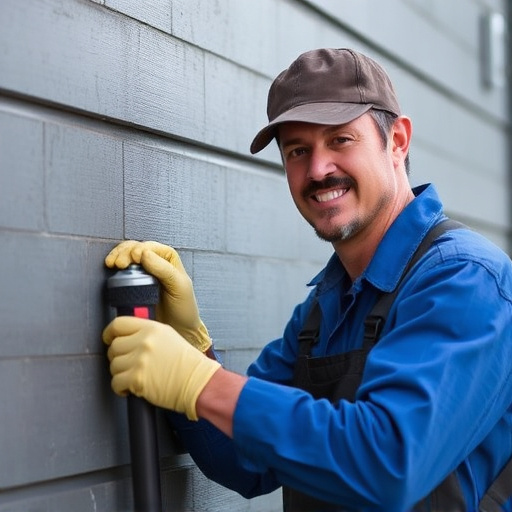
In southern Arizona, year-round maintenance is key to ensuring your roof's longevity and protecting your home from the region's unique climate. The desert's scorching summers and brief, intense monsoons present distinct challenges. Extreme heat can accelerate the aging process of roofing materials, while sudden thunderstorms and strong winds can cause damage. Recognizing the signs of a deteriorating roof is crucial; this includes missing or curled shingles, water stains on interior ceilings, and frequent leaks during monsoon season. When these issues arise, it's often a clear indication that a new roof is needed.
A roofer with an Arizona ROC license recommends proactive measures to extend the life of your current roof. Regular cleaning and inspection are vital, especially for homes in the Canada Hills or Town of Oro Valley areas, where dust and debris can accumulate rapidly. Removing this buildup not only improves the roof's appearance but also allows for better water runoff, reducing the risk of leaks. Applying reflective coatings or cool roof materials can mitigate the heat absorption that causes excessive wear.
During planning, consider the region's seasonal changes. When replacing your roof, choose materials designed to withstand the monsoons' powerful winds and intense rainfall. Foam roofs, a popular choice in southern Arizona, offer superior wind resistance and excellent water insulation. They also reflect heat, helping to keep your home cooler during the summer. However, ensure the installation adheres to local building codes and regulations, as some areas may have specific requirements for roofing materials and techniques. Regular maintenance, coupled with the right materials and installations, can significantly reduce the need for frequent roof replacements.
Frequently Asked Questions About advice on planning a roofing project around the seasons in southern Arizona
What is the best time of year to start a roofing project in southern Arizona?
In southern Arizona, the best time to start a roofing project is during the cooler months, specifically from October to March. This period offers more comfortable working conditions for both homeowners and contractors, as well as fewer interruptions from extreme heat and humidity. The winter months typically bring fewer rainfall events, minimizing the risk of delays caused by bad weather.
How does the weather affect roofing installation?
Extreme heat and strong sunlight can accelerate the drying time for roofing materials, potentially affecting their long-term performance. Intense heat and humidity can slow down the installation process and pose health risks to workers. Heavy rainfall can also cause delays and damage to newly installed roofs, as well as create hazardous working conditions. Therefore, planning during cooler, drier months is ideal.
What types of roofing materials are best suited for southern Arizona's climate?
In southern Arizona, light-colored roofing materials like TPO (thermoplastic polyolefin), PVC (polyvinyl chloride), and reflective metal are recommended. These materials help reflect sunlight and absorb less heat, reducing the amount of heat transferred to the home's interior. These materials are designed to withstand extreme temperatures and are often more durable in arid climates.
Should I worry about seasonal variations in material availability?
They prioritize ensuring that materials are readily available throughout the year, so seasonal shortages are rarely an issue.
How long does a typical roofing project take in southern Arizona?
Most roofing projects in southern Arizona, depending on the size and complexity, typically take one to two days to complete. This includes preparation, installation, and final inspection. However, weather conditions can sometimes cause delays, so it's advisable to plan a buffer into your schedule.
What should I do if my project involves emergency repairs during a hot season?
In cases of emergency repairs during hot seasons, prioritize safety by scheduling the work for the early morning or late evening when temperatures are cooler. Ensure that your roofing contractor has adequate resources and experience to complete the repair efficiently while minimizing health risks to the workers.
When planning a roofing project in Oro Valley, understanding seasonal needs is crucial. The desert climate presents unique challenges, with intense summers requiring cool roof options and careful planning around monsoon seasons. Knowing the signs your roof needs replacement-like missing or curled shingles-is essential for timely action. Regular maintenance, year-round, ensures longevity and protects your investment. By following these guidelines and taking signs you need a new roof seriously, you'll ensure your Oro Valley roofing project's success and maximize your home's value. This practical knowledge positions you as a savvy homeowner, ready to navigate any roofing challenge.
In southern Arizona, understanding seasonal factors is vital for successful roofing projects. The intense summer heat accelerates material aging, while monsoon storms bring heavy rainfall. Signs you need a new roof include widespread missing or curled shingles, water stains, and cracks or chips in shingles. Plan projects during the dry season (Oct-Apr) for better conditions. Regular maintenance, including roof cleaning and inspection, extends roof life. Choose materials like foam roofs for superior wind and water resistance, adhering to local building codes. Proactive measures reduce the need for frequent replacements, protecting your investment.