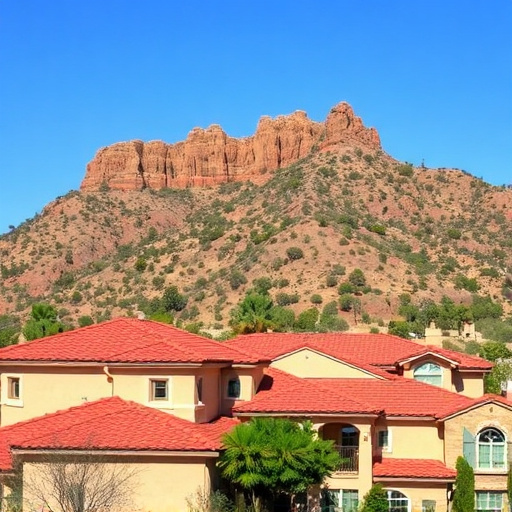
In the arid climate of Oro Valley, choosing the right roofing material can make or break your home's longevity and comfort. The sun's intense rays and seasonal monsoons put a unique strain on desert roofs, requiring materials that can withstand rapid aging and extreme temperatures. This guide aims to demystify the selection process by comparing tile, foam, and shingle roofing options, each with its pros and cons. We'll examine factors like lifespan, cost, energy efficiency, and local regulations, providing insights tailored to Oro Valley's distinct challenges. We'll explore what makes a good roofing crew, highlighting key attributes to ensure your project's success and your home's protection for years to come.
- Understanding Desert Roofing Challenges and Solutions
- Tile Roofing: Durability and Aesthetics in the Desert
- Foam Roofing: Insulation, Cost, and Installation Tips
- Shingle Roofing: Common Types and Longevity in Arid Climes
Understanding Desert Roofing Challenges and Solutions
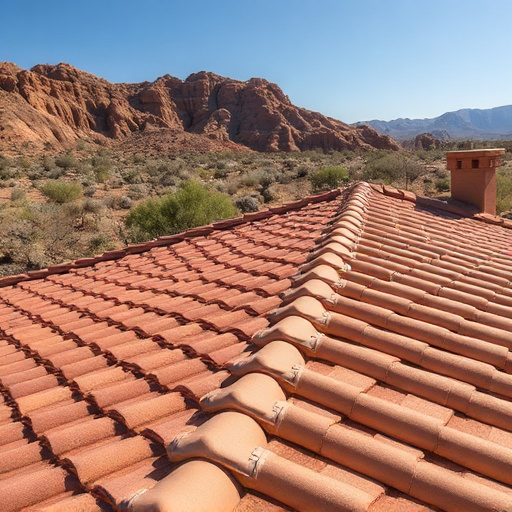
The desert climate presents unique challenges for roofing, demanding materials and installation techniques that can withstand extreme heat, cold nights, and occasional monsoons. When choosing a roofing crew for your Oro Valley home, understanding these challenges is crucial. A good roofing crew will have extensive experience in the local climate, knowing how to select and install materials that perform well in these conditions. They should also be familiar with local regulations, such as those from the Oro Valley Roofing Association and Homeowners' Association, ensuring your roof meets all requirements for HOA approval.
Tile roofing, popular in desert regions, offers excellent durability but requires careful planning. The intense heat can cause tiles to expand and contract, potentially leading to cracks over time. A quality roofing crew will know how to properly space tiles and use underlayment to prevent water damage and ensure a longer lifespan. Foam roofing is another option, known for its lightweight, energy-efficient properties. It's a smart choice for desert homes as it provides excellent insulation, helping to regulate indoor temperatures. However, foam roofing is sensitive to punctures and may require additional protective measures during installation. Shingle roofing is a classic choice, offering a range of styles and colors that complement desert landscapes. A well-trained crew will understand how to lay shingles to withstand strong winds and install them in a way that prevents water penetration, crucial for protecting your home's structure.
When planning any roofing project, especially during the monsoon season, it's essential to consider the timeline and potential disruptions. A local roofing company serving Oro Valley with an Arizona ROC license will be able to provide accurate estimates and communicate effectively. They should also be mindful of the impact on your landscape, protecting plants and patios during the install. During tile or shingle installations, a good crew will take precautions to prevent debris from damaging landscaping or nearby structures. They should respect your neighbors' space and schedule, adhering to local regulations regarding roofing hours. For older homes, a roofing crew with expertise in historic preservation can help with repairs while maintaining the original style, such as Santa Fe or Spanish architectural designs.
Tile Roofing: Durability and Aesthetics in the Desert
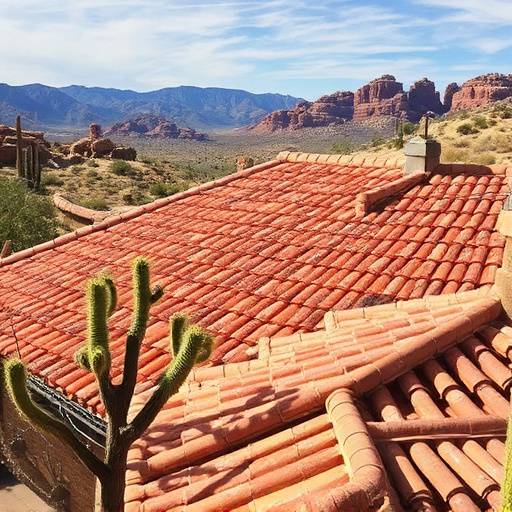
The choice of roofing material in arid climates like Oro Valley presents unique challenges and opportunities. For durability and aesthetics, tile roofing stands out as a superior option for desert homes. Concrete tile and clay tile varieties, designed to withstand extreme UV exposure, offer both longevity and visual appeal. These tiles are crafted to be highly resistant to cracking, chipping, and fading, making them a smart investment for homeowners looking for a roof that will last.
A roofing contractor serving Oro Valley and Marana will advise that tile roofs often require less maintenance than their counterparts. With proper installation and occasional cleaning, these roofs can last 50 years or more, outperforming both foam and shingle roofs. Clay tiles, in particular, are known for their fire resistance and excellent drainage properties, making them well-suited for the region's weather patterns. Tile roofs can be tailored to complement a variety of architectural styles, from Santa Fe and Spanish to patio homes and casitas, enhancing the curb appeal of any desert residence.
However, tile roofs do have their drawbacks. They are typically more expensive to install and repair than foam or shingles. The weight of tile can be a concern for older structures, requiring structural assessments prior to installation. Despite these considerations, the longevity, durability, and distinct aesthetic appeal of tile roofing make it a top choice for homeowners prioritizing both functionality and style in the desert climate.
Foam Roofing: Insulation, Cost, and Installation Tips
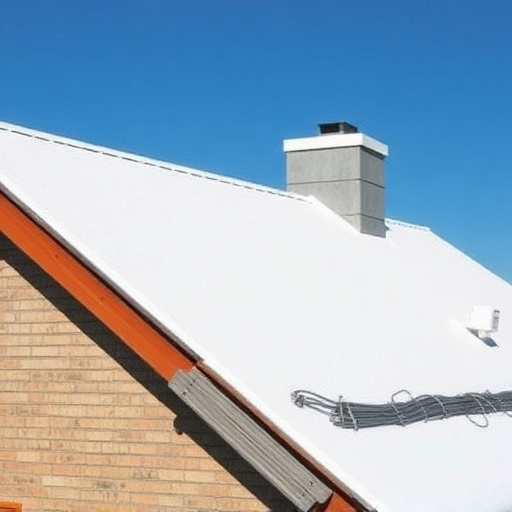
Foam roofing offers a unique set of benefits for desert homes, particularly for insulation and energy efficiency. When considering your roofing options, a local roofing company serving Oro Valley can help you navigate the pros and cons of this material. Unlike traditional shingles or tiles, foam roofs provide exceptional thermal resistance, making them an excellent choice for the extreme temperatures of the desert climate. This type of roofing can significantly reduce energy costs by minimizing heat transfer through the roof structure.
The cost of foam roofing is generally competitive, especially when compared to tile or high-end shingle options. It's a cost-effective solution for homeowners on a budget while still offering superior insulation properties. Installation can be a bit more intricate than traditional shingles, but experienced crews from Oro Valley can complete the job efficiently. Tip for choosing a contractor: look for a crew with a proven track record and knowledge of local building codes, including HOA approval requirements. Many foam roofing systems come with reflective coatings, further enhancing energy efficiency by reflecting heat away from the home.
When planning a foam roof installation, it's crucial to consider the monsoon season and potential flooding. Ensure your roofing contractor has a plan in place to protect your property and surrounding landscaping during the installation process. Keep in mind that foam roofs are best suited for patio homes, casitas, and courtyard sections due to their flat surfaces. For older homes, a foam roof can be an excellent renovation option, offering a seamless, modern upgrade with potential energy savings. Remember, what makes a good roofing crew is one that adapts to these unique challenges, ensuring a successful and long-lasting foam roofing installation.
Shingle Roofing: Common Types and Longevity in Arid Climes
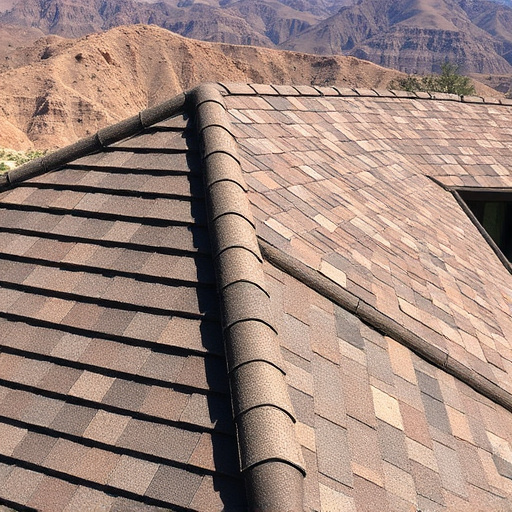
Shingle roofing is a popular choice among homeowners in desert climates like Oro Valley, offering a range of styles and a proven track record for durability. When comparing different roofing materials, understanding the longevity and performance of shingles is crucial. Licensed Oro Valley roofers often recommend considering the specific demands of the local environment, including intense sunlight, extreme temperatures, and occasional monsoon storms.
Among shingle types, asphalt shingles are the most common and affordable option for many Oro Valley residents. These shingles are known for their versatility, coming in various colors and textures to match different architectural styles, from traditional to modern. An experienced Oro Valley roof specialist may advise that while asphalt shingles are highly durable, they typically have a lifespan of 20 to 30 years with proper maintenance. However, in harsh desert conditions, they may require replacement after 15 to 20 years, depending on factors like exposure, installation quality, and local weather patterns.
When assessing a shingle roof's longevity, it's essential to consider not only the material but also the roofing crew's expertise. A good roofing crew understands the unique challenges of desert climates and follows best practices for installation and maintenance. They might use underlayment and flashing to protect against leaks and ensure the shingles are properly secured for resilience against high winds. Regular inspections and timely repairs, guided by the homeowner or a trusted roofing contractor, can extend the life of a shingle roof, making it a solid and affordable choice for many Oro Valley residents looking for an affordable roofing solution.
Frequently Asked Questions About a comparison of tile, foam and shingle roofing for desert homes
What are the key considerations when choosing a roofing material for a desert home? When selecting a roof for a desert environment, consider the extreme heat, UV exposure, and potential for rapid temperature changes. Tile roofs are durable and provide excellent heat resistance, but they're more expensive and heavier. Foam roofing is lightweight, cost-effective, and insulates well against heat gain, though it may not withstand high winds. Shingle roofs offer a traditional look, are affordable, and can handle various weather conditions, but they may require more frequent replacement. Each material has its advantages and is suited to different budgets and aesthetic preferences.
Which roofing material is most suitable for energy efficiency in desert climates? Foam roofing is an excellent choice for energy efficiency in desert homes. Its high R-value provides superior insulation, reducing heat transfer and lowering cooling costs. This can be particularly beneficial in hot, sunny climates where interior spaces can quickly heat up.
How do tile roofs fare in desert conditions? Tile roofs are well-suited for desert environments due to their durability and heat resistance. They can withstand extreme temperatures and provide excellent protection against moisture penetration. However, they are more expensive to install and may be heavier, requiring additional structural support.
Are there any maintenance differences between these roofing types? Shingle roofs typically require more frequent replacement, around every 15-20 years, due to their nature of being more susceptible to damage from wind, rain, and UV exposure. Tile and foam roofs usually require less maintenance. Tile roofs may need occasional cleaning to remove dirt and algae buildup, while foam roofs can be easily repaired if damaged.
Which roofing material offers the best value for money? Shingle roofs are generally the most affordable option. While they may need replacing more often, they are readily available, easy to install, and can be a cost-effective choice for budget-conscious homeowners. Tile and foam roofs offer long-term value, with lower replacement costs, but higher initial expenses.
Can foam roofing withstand strong winds, a common occurrence in desert storms? Yes, foam roofing is designed to withstand high winds. Its lightweight nature and strong adhesive bond make it a resilient option for desert storms. It has been proven effective in regions with severe weather conditions, providing reliable protection for structures.
When selecting a roofing material for your Oro Valley home, understanding the unique challenges of the desert climate and the needs of your property is key. This article has explored three popular options: tile, foam, and shingle roofing, highlighting their respective advantages and considerations.
Tile roofing stands out for its exceptional durability and aesthetic appeal. Its ability to withstand extreme temperatures and minimize heat transfer makes it an excellent choice for maintaining a comfortable indoor environment. Tile offers a wide range of colors and styles, allowing homeowners to enhance their home's curb appeal.
Foam roofing, on the other hand, provides superior insulation, reducing energy costs and making your home more energy-efficient. Despite initial costs, foam's lightweight nature simplifies installation and can extend the lifespan of your roof. Proper installation is crucial, and working with a local, experienced crew can ensure a successful foam roofing project.
Shingle roofing is a classic choice, offering a wide array of types and styles, from asphalt to metal. Its longevity in arid climates and affordability make it a popular option. However, regular maintenance is vital, and homeowners should be aware of potential issues like early degradation from extreme UV exposure.
The best roofing material depends on your priorities. For enduring protection and energy efficiency, foam and tile roofs excel. Shingles remain a reliable, cost-effective option, but require diligent care. When selecting a roofing crew, look for local professionals who understand the desert environment and can provide expert advice. These insights empower homeowners to make informed decisions, ensuring their Oro Valley roofs withstand the challenges of the desert for years to come.
In arid climates like Oro Valley, choosing the right roofing material is crucial. Tile roofs offer superior durability and aesthetic appeal, with concrete and clay tiles designed to withstand harsh UV exposure. They require less maintenance than shingles or foam but are more expensive. Foam roofing provides excellent insulation and energy efficiency, with competitive costs. However, it's sensitive to punctures and requires careful installation. Shingle roofs, a classic choice, offer various styles and colors, with asphalt shingles being the most common. They last 20-30 years in Oro Valley's conditions, but regular maintenance is key. A good roofing crew is essential, understanding local climate demands and following best practices for all material types. They should also adhere to HOA regulations and respect landscaping during installations.