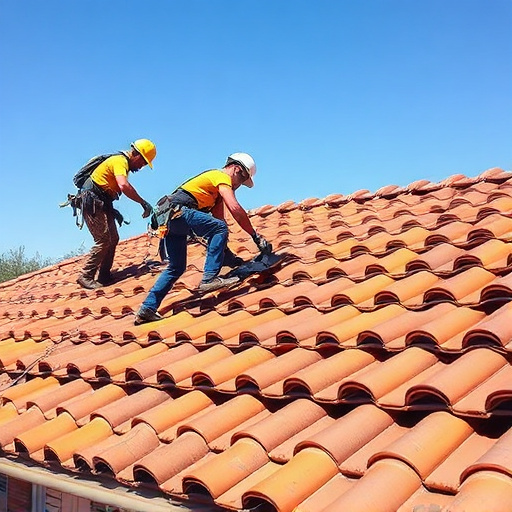
Roofing is a critical component of any Oro Valley home's protection against the elements, yet selecting the right roofing contractor and understanding the intricacies of roofing contracts can be daunting for homeowners. With a diverse range of roof types, materials, and local regulations, the process often feels overwhelming. This article provides comprehensive answers to the roofing questions most Oro Valley homeowners ask, from choosing a local roofer to navigating HOA approvals and understanding roofing contract terms. By the end, you'll be equipped to make informed decisions, ensuring your home's roof protects your investment for years to come.
- Understanding Common Oro Valley Roofing Concerns
- Decoding Your Roofing Contract: Key Terms Explained
- Local Licensing & Insurance: Ensuring Quality & Protection
- Maintenance & Repairs: Extending Your Roof's Lifespan
Understanding Common Oro Valley Roofing Concerns
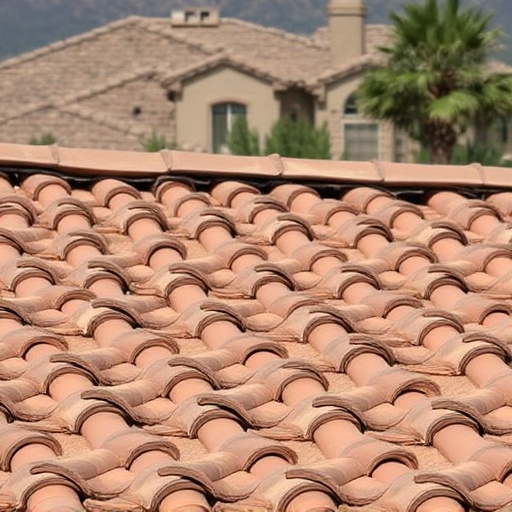
Oro Valley homeowners often face unique roofing challenges due to the region's desert climate, diverse architectural styles, and specific local regulations. Understanding common concerns and their solutions is crucial for any homeowner considering a roof replacement or installation. This section examines the core issues that residents in Sun City Oro Valley, Marana, and Rancho Vistoso frequently ask about, providing insights that can guide your roofing decisions.
One of the primary concerns is the longevity of the roof in the extreme heat and sunlight. The desert climate accelerates roof aging, making it vital to choose materials and installation methods suited to these conditions. Traditional asphalt shingles may not withstand the heat, leading to premature deterioration. Cool roof options, like reflective coatings and high-reflectivity shingles, are gaining popularity to mitigate heat gain and extend roof lifespan. These options are especially beneficial for patio homes and casitas, which often have flat or courtyard roofs, requiring specific considerations for efficient heat management.
HOA roofing approvals and Oro Valley roofing permits are essential aspects of the roofing process, particularly for older homes and custom builds. The local roofing association and building supplies stores offer valuable guidance on navigating these requirements. Certain neighborhoods in Rancho Vistoso have specific design guidelines for roofing materials and colors, aligning with the region's natural aesthetics. When planning a roof replacement, homeowners should consult with a roofer with an Arizona ROC license to ensure compliance with local permits and HOA regulations, avoiding potential delays or fines.
Roofing contracts are a critical component of any roofing project, and understanding their terms is essential. Common terms to watch out for include warranty coverage, labor rates, and payment schedules. A detailed roofing contract protects both the homeowner and the contractor, ensuring expectations are met. A contract should clearly state the timeline for the project, including how long it typically takes for a roof replacement, typically one to two days for most installations. This transparency helps set realistic expectations and allows homeowners to plan around potential disruptions, especially during the monsoon season.
Decoding Your Roofing Contract: Key Terms Explained
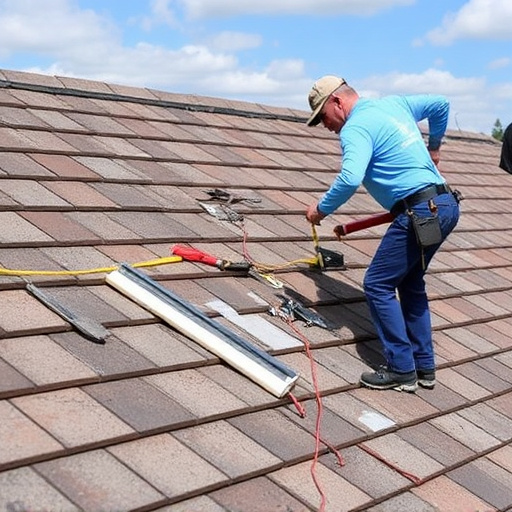
For decoding your roofing contract, understanding the key terms is crucial. As a homeowner in Oro Valley, you want to ensure you're protected and getting the best value for your investment. A licensed Oro Valley area roofing contractor will typically use specific terminology to outline the scope of work, materials, and payment terms. Let's demystify some of these common terms.
First, work scope defines exactly what the roofer will do. It should include the type of repair or replacement, materials used, and any specific requirements based on your home's architecture, like the case with patio homes and casitas in Rancho Vistoso. A flat section roof on a casita might require a different installation method than a more traditional pitched roof. Second, material specifications detail the exact products used, including brands, types, and colors. This is especially important in our desert climate, where choosing the right materials for both durability and energy efficiency can extend the lifespan of your roof.
Another critical term is payment terms. This outlines when and how you'll make payments. Some contracts may specify a lump sum, while others could have a step-by-step payment schedule, especially for larger projects that might take one to two days or more to complete. Lastly, warranty and guarantees provide assurance about the quality of the workmanship and materials. Always read these sections carefully; they can vary significantly from one roofer to another. Understanding these roofing contract terms will empower you to make informed decisions and ensure a successful roofing project, whether you're a seasoned homeowner in Oro Valley or a new resident.
Local Licensing & Insurance: Ensuring Quality & Protection

For ensuring the quality and protection of your roof, one of the most important considerations for Oro Valley homeowners is understanding the local licensing and insurance requirements. The Town of Oro Valley, like many municipalities, has specific rules and regulations in place to safeguard residents from subpar work and financial risk. Let's examine what property owners need to know to make informed decisions when hiring a roofing contractor.
In Oro Valley, a licensed Arizona roofer is required for all roofing projects, whether it's a simple repair or a complete replacement. This ensures that the contractor has the necessary expertise, insurance, and compliance with local building codes. The most recognized and reliable way to verify a roofer's legitimacy is through their Arizona ROC (Roofing Contracter) license. This license is your assurance that the company has met the state's standards for training, experience, and financial stability. It also guarantees that the roofer follows the roofing contract terms and adheres to the town's building regulations.
When reviewing potential contractors, it's crucial to ask about their insurance coverage and licensing status. A reputable Oro Valley roofer will carry both workers' compensation insurance and general liability insurance. These policies protect both the contractor and the homeowner, covering any accidents or damages that may occur during the job. Understanding the roofing contract terms is essential. A well-drafted contract should outline the scope of work, materials used, timelines, and payment terms. It should also include provisions for disputes and warranties, ensuring both parties are protected. A contract might specify that the roofer is responsible for obtaining any necessary permits, which is crucial in Oro Valley, where certain types of roofing materials and styles may require special approvals, such as the popular Santa Fe and Spanish architectural styles found in the Canada Hills neighborhood.
Maintenance & Repairs: Extending Your Roof's Lifespan

Maintaining and repairing your roof is crucial for ensuring its longevity and protecting your Oro Valley home. Many homeowners wonder how to best care for their roofs, especially in our unique desert climate. This section examines practical strategies and answers common questions to help you extend the lifespan of your roof, avoiding costly replacements.
One of the most important aspects of roof maintenance is understanding the roofing contract terms and your rights as a homeowner. When hiring a contractor, be sure to get a detailed written agreement outlining the scope of work, materials used, and expected completion time. A licensed Oro Valley area roofing contractor will be able to guide you through this process. Contracts often include provisions for warranties, which can protect you from future repairs or replacements. When considering repairs, especially during the monsoon season, remember that certain projects, like roof leaks, require immediate attention to prevent further damage.
Regular inspection is key to catching potential issues early. As your roof ages, it becomes more susceptible to the elements, including intense summer heat and monsoon storms. Look for signs of aging, such as cracked or curled shingles, missing or damaged flashing, or water stains on ceilings or walls. For homes in areas like Canada Hills, where weather patterns can be unpredictable, staying proactive is vital. Many roofing contractors offer maintenance packages tailored to your roof's needs, which can include cleaning, inspection, and minor repairs.
When repairs are necessary, understanding the different types of roofing materials and their lifespans is essential. Shingles, for example, typically last 20 to 40 years, while metal roofing may last 30 to 50 years or more. Each material has its advantages and disadvantages, and a qualified contractor can advise on the best option for your home. Remember, some repairs, like replacing a missing shingle, can be done by homeowners, but more complex issues, especially on unique architectural styles like Santa Fe or Spanish-inspired roofs, are best left to professionals.
Frequently Asked Questions About answers to the roofing questions Oro Valley homeowners ask most
What is the most common cause of roof leaks in Oro Valley?
Roof leaks in Oro Valley are often caused by aging or damaged flashing, especially around chimneys and vents. Another frequent issue is poor sealing around roof edges and valleys, where moisture can seep in. Broken or missing shingles, as well as damaged or corroded gutters, can contribute to leaks. It's crucial to inspect these areas regularly for signs of wear and tear.
How can I prevent roof leaks in the first place?
Regular maintenance is key to preventing leaks. Schedule annual inspections to check for loose or damaged shingles, flashing, and gutters. Ensure proper ventilation in your attic to reduce heat build-up, which can cause shingles to deteriorate. Keep tree branches away from your roof to avoid damage from falling debris. Promptly repair any small issues before they turn into larger, costlier problems.
When should I call a professional roofer instead of trying to fix the leak myself?
If the leak is persistent or widespread, if you notice signs of structural damage, or if the repair involves accessing hazardous areas like high pitches or damp attics, it's best to call a professional. DIY repairs can seem appealing, but they often lead to further damage and costly mistakes. A licensed Oro Valley area roofer can provide expert solutions tailored to your specific situation.
What should I look for when choosing a roofing contractor?
When selecting a roofing contractor, check their Arizona ROC (Roofing Contractors License) status and ensure they have experience in your area. Request references and check online reviews for their reputation. Ask for detailed estimates, compare them, and ensure the contract includes all necessary work and warranties. A reliable contractor should offer after-sales support and warranty claims assistance.
How long does a typical roof repair take?
Most minor roof repairs, such as replacing a single shingle or fixing flashing, can be completed within a few hours. More complex repairs, like reroofing or replacing damaged sections, usually take one to two days, depending on the size of the project and the weather conditions.
What are the signs of a serious roof problem that requires immediate attention?
If you notice sagging or buckling in your roof, severe water damage, mold or mildew growth, or visible structural weaknesses, these are signs of serious problems. These issues can compromise your home's structural integrity and safety. In such cases, it's crucial to contact a professional roofer immediately to prevent further damage and potential hazards.
As you've navigated through this practical guide, you've gained valuable insights into the world of Oro Valley roofing. From understanding the common concerns specific to our desert climate, to decoding the often-misunderstood roofing contract terms, you're now equipped to make informed decisions about your home's most crucial asset - its roof.
We've demystified local licensing and insurance, emphasizing the importance of quality and protection, and provided actionable advice on maintenance and repairs to extend your roof's lifespan. By following the practical next steps outlined in this article, you'll not only ensure your home is protected but also enhance its resale value. Remember, choosing a reliable Oro Valley roofer is a significant step, and with the right knowledge, you can make a confident decision that aligns with your home's unique needs and your personal preferences.
Homeowners' Guide to Oro Valley Roof Care and Repairs
Oro Valley homeowners face unique roofing challenges due to climate, architecture, and local regulations. Key considerations:
- Roof Longevity: Choose materials and methods for extreme heat, considering cool roof options for patio homes.
- HOA & Permits: Navigate requirements for older homes and custom builds, understanding local permits and design guidelines.
- Roofing Contracts: Focus on work scope, material specs, payment terms, and warranties to ensure a fair, successful project.
- Maintenance: Regular inspections and proactive care, tailored to your roof's needs, can extend its lifespan.
- Repairs: Understand your rights, materials' lifespans, and when to hire professionals for complex repairs.