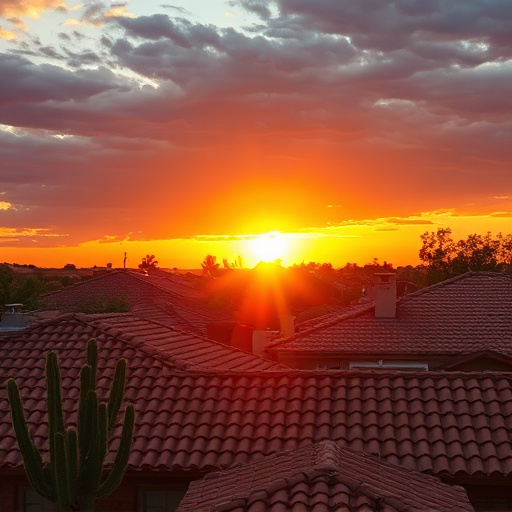
In the rugged landscape of Oro Valley, Arizona, your roof stands as a vital shield against the unforgiving desert climate, enduring extreme heat, cold, and occasional monsoon storms. Understanding how this environment wears down different roof types is crucial for any homeowner. The diverse roof styles-from Santa Fe and Spanish to modern patio homes and casitas-each present unique challenges. This article examines the science behind desert climate aging, exploring how factors like sun exposure, wind, and fluctuating temperatures impact various roofing materials. We'll decipher common roof types, their lifespans, and the signs indicating a need for replacement, offering valuable insights for both seasoned homeowners and new residents navigating the Oro Valley roofing landscape.
- Desert Elements: Understanding the Unique Challenges
- Common Roof Types: Their Strengths and Weaknesses
- Wear and Tear: Processes of Degradation in Detail
- Longevity: Strategies for Sustaining Desert Roofs
Desert Elements: Understanding the Unique Challenges
The unique desert climate in Oro Valley presents specific challenges to roofing materials and construction. Unlike more temperate climates, the extreme heat, intense sunlight, and frequent dust storms can accelerate the wear and tear of roofs. Understanding these factors is crucial for homeowners and property managers when choosing a roofing material and a trusted Oro Valley roofer with an Arizona ROC license.
Common roof types, such as tile, metal, and shingles, react differently to these desert elements. While tile roofs are popular for their aesthetic appeal and durability in other regions, the harsh conditions in Oro Valley can cause them to crack and break more quickly, requiring more frequent repairs. Metal roofs, on the other hand, can withstand high temperatures but are susceptible to denting from fallen debris during dust storms. Shingles, a common choice for residential roofing in Oro Valley, can be effective against intense sunlight but often struggle with wind damage and early degradation due to the arid environment.
A licensed Arizona roofer familiar with the Pusch Ridge area and local building codes can guide homeowners in selecting suitable roofing materials for their properties. They can also offer insights into the best practices for maintenance and care, especially during the monsoon season. Regular cleaning to remove dust buildup can extend the lifespan of both tile and metal roofs. Proper installation techniques, including adequate underlayment and ventilation, are essential for any roof type to combat the effects of heat and sunlight. This proactive approach ensures not only the longevity of the roof but also the overall value of the property, as a well-maintained roof can enhance the curb appeal of a home in the competitive Oro Valley real estate market.
Common Roof Types: Their Strengths and Weaknesses
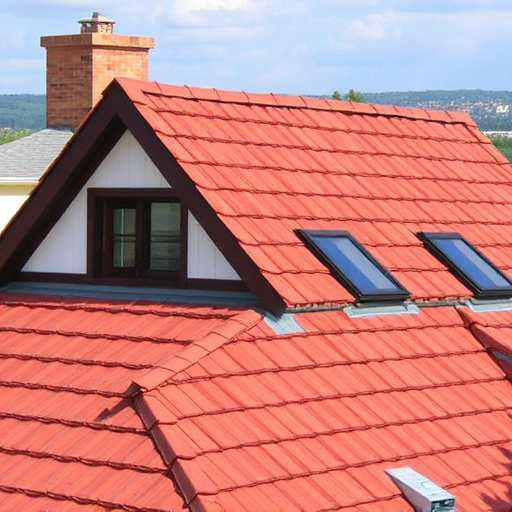
The desert climate presents unique challenges for any roof type. Understanding how the elements affect different materials is crucial when choosing a roof for your Oro Valley home. From the sprawling Pusch Ridge to the courtyards of patio homes, each architectural style demands a specific roofing solution.
Common roof types, like tile, foam, and shingles, offer a range of strengths and weaknesses in the desert. Clay or ceramic tile roofs, popular in Santa Fe and Spanish-style homes, are renowned for their durability. They can withstand extreme temperatures, offering a long lifespan that often exceeds 30 years. However, they're heavy, requiring robust structural support, and can be slippery when wet, necessitating careful installation to prevent safety hazards.
On the other hand, foam roofs are lightweight, easy to install, and cost-effective. They provide excellent insulation, making them energy-efficient choices for homeowners. Yet, their malleability makes them susceptible to damage from wind and hail, and they may not be suitable for buildings with a low-sloping roof or historic structures requiring specific aesthetic considerations.
Shingles, a versatile option, offer a balance between durability and affordability. They are easily replaced, making repairs more manageable. But, they have a shorter lifespan than tile, typically lasting 15 to 20 years, and can be more susceptible to damage from the intense summer heat and monsoon storms that are a regular part of Oro Valley's climate.
When planning a roof replacement, consider your home's style, energy efficiency goals, and the structural integrity of your building. A cool roof, a design that reflects heat, might be ideal for maximizing energy savings during the hot summers. Also, keep in mind any HOA approvals required for roof materials, especially in neighborhoods with strict design guidelines.
Remember, the right roofing crew, like those at DC Roofing of Arizona, should have experience handling the unique demands of the local climate and a deep understanding of the best practices for each roof type. They can guide you in making informed decisions, ensuring your new roof not only looks great but also stands the test of time in the demanding desert environment.
Wear and Tear: Processes of Degradation in Detail

The harsh desert climate poses unique challenges to different roof types, leading to varying lifespans and degradation rates. When selecting a roofing material, understanding these effects is crucial for a long-lasting and functional roof. Let's examine the specific wear and tear processes that influence the durability of common roof types in Oro Valley.
Clay tile roofs, a popular choice in the region due to their aesthetic appeal and durability, are well-suited for the desert environment. However, over time, these tiles can be susceptible to cracking and breaking, especially under extreme heat and sudden temperature changes. This is where proper installation and regular maintenance become paramount. Ensuring adequate tile overlap and using high-quality nails can mitigate these issues. A roofer with an Arizona ROC license should inspect for loose tiles and address them promptly to prevent further damage.
In contrast, synthetic or foam roofs offer a more cost-effective alternative but may not last as long in the desert. These materials can become more brittle over time, especially when exposed to intense UV radiation. They are also more prone to expansion and contraction with temperature fluctuations, leading to potential seams and joints coming apart. To combat these issues, homeowners should invest in a quality installation and schedule regular inspections. Regular maintenance, such as cleaning and sealing, can also extend the lifespan of these roofs.
Another common roof type, asphalt shingles, is known for its affordability and ease of installation. However, the desert climate can accelerate their aging process. The intense sun can cause the shingles to dry out and become brittle, leading to cracking and peeling. The extreme heat can cause the asphalt within the shingles to soften, resulting in buckling and lifting. To maximize their lifespan, homeowners should consider using reflective shingles, which can help reduce heat absorption. Regular replacement of damaged or missing shingles is also essential for maintaining an effective barrier against the elements.
Longevity: Strategies for Sustaining Desert Roofs
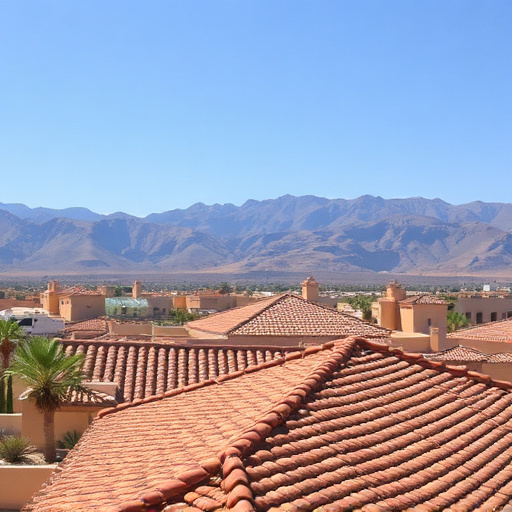
The desert climate presents unique challenges for roofing materials, significantly impacting the longevity of various roof types. In Oro Valley, homeowners often face the dilemma of when to replace their roofs, a decision influenced by the roof's material and the harsh, dry environment. Understanding how different roofing materials hold up against the sun, wind, and occasional monsoons is crucial for property owners.
Common Roof Types like tile, foam, and shingles have distinct lifespans under the desert sky. Clay or ceramic tile roofs, popular in Oro Valley's Santa Fe and Spanish-style homes, are known for their durability, often lasting 50 years or more with proper maintenance. However, they can be susceptible to cracking from thermal expansion and contraction, especially in the extreme heat. On the other hand, foam roofs, a modern alternative, offer exceptional insulation and can withstand the desert climate for several decades. This longevity makes them a smart investment for homeowners looking for a long-term solution, though they may require specialized installation and repairs. Shingles, while affordable, typically have a shorter lifespan, around 25 to 30 years, and may require more frequent replacement due to wear and tear from UV exposure.
For maintaining a long-lasting roof, homeowners should consider hiring a licensed Arizona roofer with an Arizona ROC license, ensuring expert care for their investment. Regular inspections and timely repairs are key. Checking for loose or missing shingles during monsoon season can prevent water damage and prolong the roof's life. Applying reflective coatings or using cool roof materials can help mitigate the sun's heat, reducing the overall stress on the roofing system. By understanding the unique demands of the desert climate and choosing the right roofing materials, homeowners can ensure their roofs remain in top condition, enhancing the value of their Oro Valley properties.
Frequently Asked Questions About an explainer on how the desert climate wears down different roof types
What makes the desert climate unique in terms of roof deterioration?
The desert climate presents a harsh environment for roofs, primarily due to extreme temperature fluctuations, high UV radiation, and often minimal rainfall. These conditions accelerate the natural aging process of materials, leading to increased wear and tear. The rapid heating and cooling cycles can cause materials to expand and contract, resulting in structural stress and damage over time.
How do different roof types fare under these conditions?
The performance of various roof materials varies significantly in the desert climate. Clay or ceramic tiles, known for their durability, can withstand the heat but are susceptible to cracking from thermal shock if not installed properly. Metal roofing, while reflecting heat, is prone to corrosion from high UV exposure, requiring regular maintenance. Asphalt shingles, a common choice, degrade faster due to the intense sunlight, often needing replacement after 15-20 years in such regions.
Are there specific signs to look for when a roof is failing in a desert environment?
Yes, several signs indicate a failing roof in desert areas. These include missing or loose shingles, water stains on the ceiling or walls, and visible holes or cracks. Early detection is crucial, as prompt repair can prevent more extensive and costly damage. Regular inspections by a licensed Oro Valley roofer are essential, especially in regions with extreme weather conditions.
What is the best way to maintain a roof in a desert climate?
Regular maintenance is key to prolonging a roof's life in desert conditions. This includes cleaning the roof to remove dirt and debris, inspecting for damage, and repairing or replacing missing or damaged materials promptly. Applying reflective coatings or underlayments can also help protect against intense sunlight. Ensuring proper ventilation reduces heat buildup, which can extend the life of the roofing materials.
How often should a desert roof be replaced?
The lifespan of a roof varies based on material and quality of installation. Generally, a well-maintained desert roof could last 20-30 years, but high-end materials and expert installation can extend this. Regular inspections by DC Roofing of Arizona, a local Oro Valley company, can help determine the roof's condition and predict when a replacement might be necessary.
As we've explored the intricate relationship between the desert climate and roof types, several key insights emerge. First, understanding the unique challenges posed by elements like extreme heat, dust, and rapid temperature changes is paramount. This knowledge guides our choice of suitable roof materials-from tile and foam to traditional shingles-each offering distinct advantages and resilience. Recognizing the specific wear and tear patterns of different materials allows homeowners and contractors alike to anticipate and mitigate damage, prolonging roof lifespan.
By implementing strategic longevity strategies, such as regular maintenance, protective coatings, and efficient ventilation, we can significantly enhance the durability of desert roofs. Planning around the monsoon season and adhering to local HOA and Oro Valley roofing permit regulations ensure smooth installations and repairs.
Selecting the right roofer for your Oro Valley home is crucial. Engaged professionals, grounded in the region's specific needs and equipped with the latest trends and techniques, are essential for safeguarding your investment. The practical takeaways from this exploration equip homeowners and contractors with the tools to make informed decisions, ensuring their desert roofs stand the test of time.
Oro Valley's Desert Climate and Roof Durability:
The harsh desert climate in Oro Valley accelerates the aging of roofs, requiring homeowners to choose materials that can withstand intense heat, sunlight, and dust. Common roof types like tile, metal, and shingles react differently. Tile roofs, though durable, may crack; metal roofs dent; and shingles struggle with wind damage. A licensed local roofer guides homeowners in selecting suitable materials, ensuring proper installation, and maintaining regular care, like cleaning and repairs, to extend roof lifespan. Understanding these factors is crucial for making informed decisions to protect your Oro Valley property.