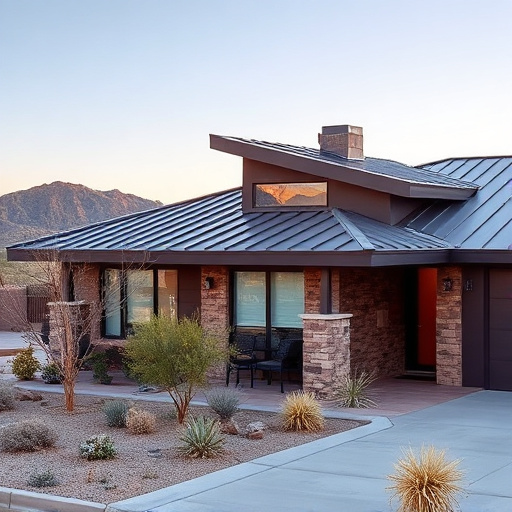
In the harsh desert climate of southern Arizona, planning a roofing project demands strategic timing and specialized care to protect your investment and the beauty of your landscape. Homeowners often face a delicate balancing act when considering when and how to replace or repair their roofs, especially with the region's unique seasonal shifts. The wrong decision can lead to prolonged exposure to intense summer heat, potential damage from monsoons, and even more costly repairs down the line. This article guides you through the process, offering insights on choosing the right Oro Valley roofer, understanding common roof types, and navigating the challenges of desert climate aging, all while ensuring your landscaping is protected during the process.
- Spring Preparation: Protecting Landscaping for Seamless Roofing
- Summer Installation: Efficient Tips for Faster Roof Completion
- Fall Maintenance: Ensuring Longevity, Safety After Installation
- Winter Safety: Proper Roofing Practices for Severe Arizona Weather
Spring Preparation: Protecting Landscaping for Seamless Roofing
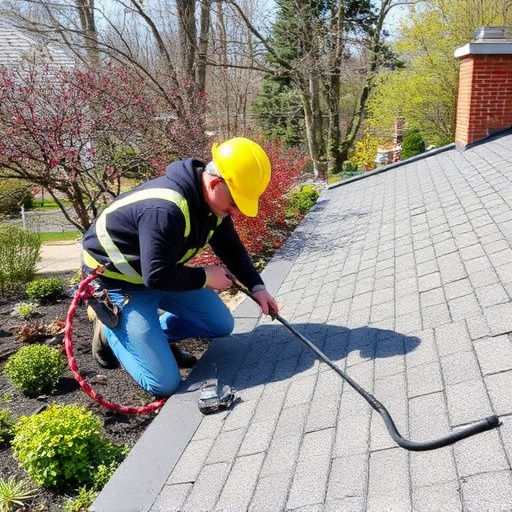
As spring arrives in southern Arizona, homeowners in Oro Valley begin to prepare for the season's inevitable activities, including roofing projects. Protecting landscaping during roofing is a crucial aspect of any renovation, ensuring the health and aesthetics of your property. This is especially true in Stone Canyon, where natural beauty and unique microclimates demand thoughtful planning.
When planning a roof replacement or installation, a local roofing company serving Oro Valley recommends considering the landscaping's impact on the project timeline. In Oro Valley, with its stringent Town building codes and Homeowners' Association (HOA) rules, a seamless integration of roofing and landscaping is paramount. First, assess the existing plants and features. Remove any vulnerable or non-drought-resistant vegetation near the work area, as they may require extra care or replacement after the project. This proactive step not only protects your investment but also aligns with the desert climate's demands, ensuring your landscaping thrives in its natural environment.
During the roofing process, protecting nearby landscaping involves more than just basic shade and water considerations. The roofing crew's activities, from material storage to work methods, can impact plants. Heavy equipment and materials storage should be planned to minimize foot traffic and equipment movement across delicate landscaping. The use of proper roofing techniques, such as minimizing dust and debris, is essential. A licensed Arizona roofer with an ROC (Roofing Contractual) license will employ these strategies to ensure a smooth and respectful process, protecting your investment in both your roof and yard.
Finally, consider the long-term benefits of integrating your roofing project with your landscaping. Well-planned designs can enhance your home's curb appeal and energy efficiency, increasing your property's value. For patio homes and casitas in Oro Valley, planning a roofing project around the patio's layout can create a seamless, inviting outdoor space. By prioritizing the protection of landscaping during roofing, you can achieve a beautiful, functional outdoor area that complements your home's unique style, from Santa Fe to Spanish influences, while adhering to Oro Valley's architectural guidelines.
Summer Installation: Efficient Tips for Faster Roof Completion
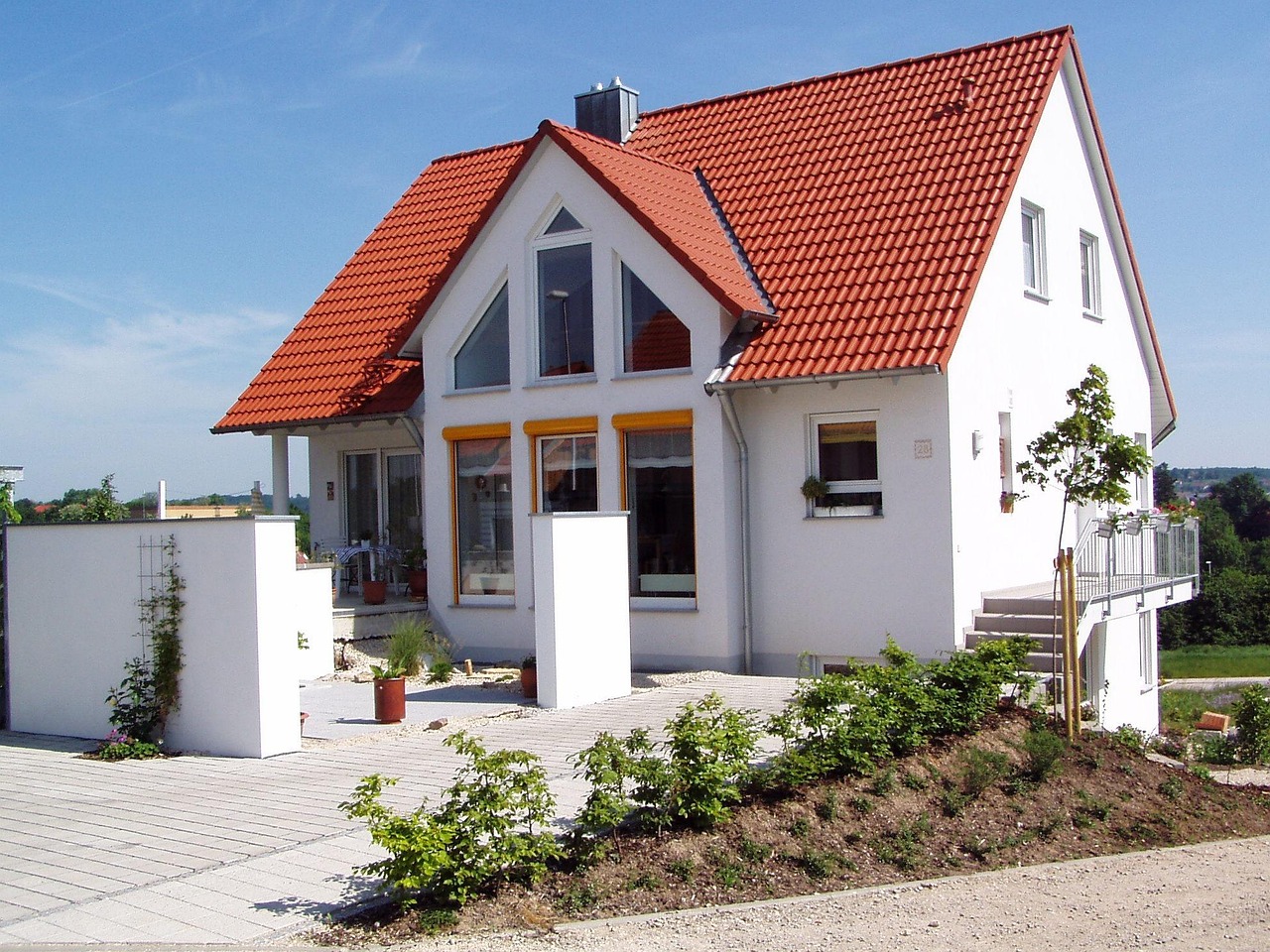
In southern Arizona, including the Town of Oro Valley and areas like Pusch Ridge, planning a roofing project around the seasons is crucial for a swift and efficient installation while minimizing disruption to your property. Summer, with its intense heat, presents both challenges and opportunities for roofing contractors. Here's expert advice on how to navigate this period, focusing on faster roof completion while protecting your landscaping.
During the summer months, many roofing contractors in Oro Valley opt to start early in the morning or late in the evening to avoid the peak heat. This strategy not only ensures worker comfort but also reduces the risk of heat-related delays and damage. Efficient project planning includes scheduling material deliveries to coincide with these cooler times, minimizing the impact on your landscaping. In this climate, it's vital to choose roofing materials suited to the desert environment, which can significantly extend the lifespan of your new roof. A roofing contractor serving Oro Valley and Marana might recommend cool roof options, like reflective shingles or metal roofing, which are designed to absorb less heat, potentially reducing energy costs.
Protecting landscaping during roofing naturally involves careful coordination. Rooftop work, especially in a dry climate, can stir up dust and debris. Contractors should employ proper dust control measures, such as wet cutting and using vacuum systems, to minimize the impact on surrounding plants and walkways. Strategic planning can protect your landscape. For patio homes and casitas, where landscaping is often dense, scheduling roof repairs or replacements during the cooler months allows for a more meticulous approach. This ensures that any necessary cleanup and restoration can be done with less pressure from the hot summer sun.
Prioritizing efficient roofing installation during the summer requires clear communication with your chosen contractor. A good roofing crew, whether tackling a new roof or a repair, should have a structured plan in place, adhering to local roofing permits and HOA regulations. By understanding the process and timeline, you can better prepare your property and enjoy a swift transformation, leaving you with a robust, long-lasting roof that complements your desert home's style.
Fall Maintenance: Ensuring Longevity, Safety After Installation
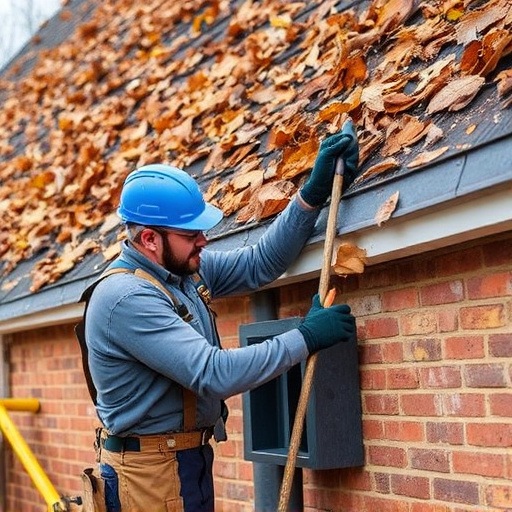
Fall brings a unique set of challenges for roofing projects in southern Arizona. After a long, hot summer, the cooler temperatures and changing weather patterns can significantly impact the roofing process, from installation to maintenance. For homeowners and property managers in Oro Valley, Sun City Oro Valley, and the Stone Canyon area, planning ahead for fall roofing is essential to ensure longevity, safety, and the preservation of their landscapes.
When a new roof is installed, the fall season offers a strategic window for work. Unlike the summer months, the lower temperatures and reduced UV exposure slow down the drying process of roofing materials, including shingles, tiles, and foam. This is crucial as it allows for a more meticulous installation, reducing the risk of errors and potential leaks. A roofing contractor serving Oro Valley and Marana, for instance, may recommend fall as an optimal time to tackle complex roof designs or repairs. During this period, contractors can focus on achieving a high standard of workmanship without the haste often required during peak summer seasons.
Protecting landscaping during roofing is a significant consideration, especially in the fall. As work progresses, debris like nails, screws, and small pieces of roofing material can easily blow onto nearby plants and lawns. To mitigate this, contractors should employ techniques such as using drip cloths to cover plants and regularly sweeping or vacuuming the area to prevent damage. Homeowners can also play their part by choosing a contractor that specializes in minimizing site impact, ensuring their landscape remains intact throughout the project. By planning around the fall, homeowners can ensure their new roof is not just aesthetically pleasing but also well-integrated with their outdoor space.
Winter Safety: Proper Roofing Practices for Severe Arizona Weather
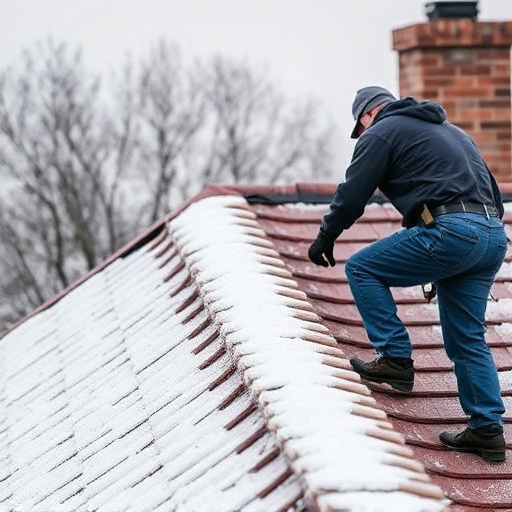
In southern Arizona, preparing for winter weather means more than just insulating your home. For roofing projects, the focus shifts to ensuring safety and minimizing damage to your property and surrounding landscaping. Oro Valley, with its unique desert climate, presents specific challenges. Severe winter storms can bring high winds, heavy rain, and even hail, testing the durability and strength of your roof. Protecting landscaping during roofing is crucial, as fallen debris can cause substantial damage to plants and garden features.
A roofing contractor serving Oro Valley and Marana knows that winter roofing projects require careful planning and specialized practices. One key strategy is the use of reflective coating on roofing materials. This not only helps to dissipate heat, reducing the risk of heat-related damage during the summer months, but also provides added protection against freezing and thawing cycles. In areas like Rancho Vistoso, where homes are nestled among scenic landscapes, this measure is particularly important to preserve the beauty and integrity of the surrounding environment. The Town of Oro Valley, with its strict building codes, also emphasizes the importance of using materials and methods that meet these standards, ensuring compliance with local regulations.
When planning a roofing project during the winter, it's essential to choose the right time of year. Ideally, aim for installations in the late fall or early spring, avoiding the peak of the monsoon season and the harshest winter weather. This allows for a more controlled environment, making the job safer for both workers and your property. Proper preparation and cleanup are vital. Protecting landscaping during roofing involves securing debris nets and covering plants to prevent damage from falling materials. Proper disposal of old roofing materials, especially in an environmentally sensitive area like Oro Valley, is also a priority, ensuring that the project has a minimal impact on the local ecosystem.
Frequently Asked Questions About advice on planning a roofing project around the seasons in southern Arizona
What is the best time of year to install a new roof in southern Arizona?
The ideal time to install a new roof in southern Arizona is during the cooler months, from October through March. This period offers milder temperatures, less rainfall, and fewer extreme weather events compared to the hotter summer months. Installation times are generally faster and more efficient during this period, allowing for better project management and potential cost savings.
How do seasonal changes affect roofing material choices?
Seasonal variations significantly impact roofing material performance. In southern Arizona, where temperatures can soar, choosing materials that reflect heat and provide excellent insulation is crucial. Metal roofing, for instance, becomes a popular choice due to its high heat reflectivity and durability in the intense sun. Clay or concrete tiles, while effective in hot climates, may require additional cooling measures to prevent excessive heat absorption.
Are there any HOA (Homeowners Association) restrictions I should consider during roofing projects?
HOA rules regarding roofing materials and styles vary. Before starting a project, review your HOA's guidelines. Some HOAs have specific color or material requirements to maintain consistency within the neighborhood. DC Roofing of Arizona, a local expert, can help navigate these restrictions and suggest compliant options.
How do I prepare my home for a roofing project during the summer months?
During summer, intense heat can complicate roofing work. To prepare, ensure proper ventilation in your attic to manage heat buildup. Trim any nearby trees or shrubs to provide easier access for the roofing crew. Scheduling shorter workdays and frequent breaks can help maintain worker safety and efficiency.
What are the potential benefits of planning a roof replacement in the off-peak season?
Planning a roof replacement during the off-peak (spring or fall) can lead to:
- Faster completion: Fewer projects mean shorter wait times and quicker turnaround.
- Lower costs: Labor rates might be lower, and material availability is often better.
- Reduced disruption: Less noise and mess during the installation process.
Can I still get emergency roof repairs during peak seasons?
Absolutely. Emergency roof repairs are crucial and can be performed year-round. However, during peak seasons, response times might be slightly longer due to higher demand. For urgent issues, contact a reputable roofer like DC Roofing of Arizona, who can provide swift and reliable service regardless of the season.
How can I ensure my new roof blends with my home's existing style?
To achieve a seamless look, consider your home's architectural style and the surrounding environment. A roofing specialist can help select materials that complement your home's design. A modern home might pair well with flat metal roofs, while a traditional style could benefit from tile or shake roofs.
In southern Arizona, planning a roofing project around the seasons is crucial for a successful and seamless transformation. By understanding the unique challenges and opportunities each season presents, homeowners can ensure their new or repaired roofs not only last but also enhance the curb appeal and value of their Oro Valley properties. Spring preparation involves protecting landscaping during roofing to maintain the home's overall aesthetics. Summer installation tips promote efficiency and faster completion, capitalizing on the region's dry climate. Fall maintenance is key to longevity and safety, addressing any issues that may have arisen during the installation process. Winter safety practices ensure proper roofing practices for severe weather, protecting both the roof and the home.
Key takeaways include: prioritizing landscaping preservation during roofing, leveraging seasonal advantages for faster installations, conducting thorough fall maintenance, and adhering to winter safety protocols. These practical steps, backed by the expertise of local Oro Valley roofers and regional climate knowledge, empower homeowners to navigate their roofing projects with confidence and ensure optimal results. The article's insights offer a practical guide for navigating the unique roofing landscape of southern Arizona, empowering residents to make informed decisions and protect their investments.
In southern Arizona, including Oro Valley, spring roofing requires planning around landscaping and local codes. Protect plants from removal, storage, and work methods. Choose drought-resistant materials and install during cooler months. In summer, avoid peak heat, use dust control, and plan for more meticulous work. For fall, use lower temperatures to install roofs with meticulous care. Protect landscaping during winter storms with reflective coatings and debris management. Plan projects for late fall/early spring to ensure safety and minimize environmental impact.