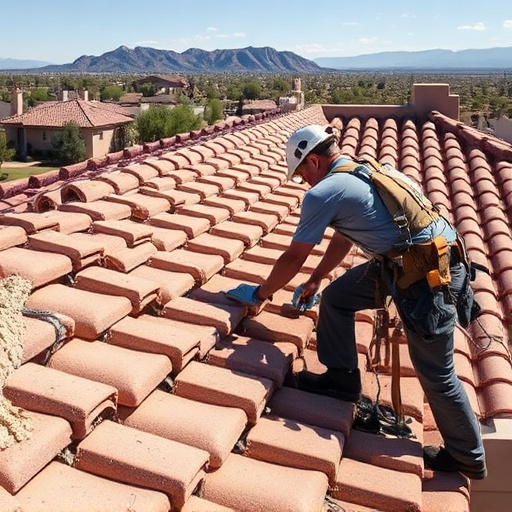
Planning a roofing project in southern Arizona demands a nuanced approach, especially when considering the region's unique desert climate and diverse architectural styles, like Santa Fe and Spanish-inspired homes. The challenge lies in navigating the seasonal variations, from the intense summer heat to the monsoon rains, ensuring your project's efficiency and longevity. This article guides you through the process, offering expert advice on when to start, choosing the right materials, and preparing for potential delays, all tailored to Oro Valley's specific needs. By understanding these factors, you'll make informed decisions, ensuring your roof not only protects your home but also enhances its value.
- Seasonal Considerations for Santa Fe Roofs in Arizona
- Preparation: Planning for Your Oro Valley Roof Project
- Designing a Spanish Style Roof: Style Meets Function
- Execution: Choosing the Right Contractor and Materials
Seasonal Considerations for Santa Fe Roofs in Arizona
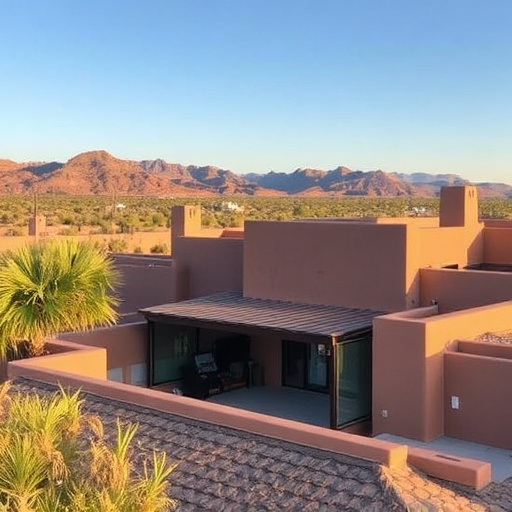
In southern Arizona, planning a roofing project around the seasons is crucial, especially for the unique architectural styles prevalent in the Oro Valley area, such as Santa Fe and Spanish. These structures often feature concrete tile roofs that require specific care to maintain their integrity and aesthetic appeal throughout the year. The Town of Oro Valley experiences a distinct monsoon season, with intense heat and occasional storms, that can impact the timing and execution of roofing projects.
When considering a roofing project for a Santa Fe or Spanish style home, the first step is understanding how the desert climate affects your roof. Concrete tile roofs, while durable, are susceptible to heat-related aging, where the sun's intense rays can cause the tiles to crack or fade over time. Proper planning, therefore, involves scheduling repairs or replacements during cooler months to mitigate these risks. The monsoon season requires special attention. Rapid repairs are often necessary when storms hit, as leaks can cause significant damage to the interior and structure of your home. Licensed roofers in Oro Valley, like those at DC Roofing of Arizona, are equipped to handle these challenges, offering 24/7 emergency services for your peace of mind.
To ensure a smooth process, homeowners should research and choose a roofing contractor familiar with Santa Fe and Spanish style roofs. A licensed Oro Valley contractor will not only understand local building codes and HOA approvals but also provide expert advice on maintenance and repair. They can guide you on when to replace old tiles, how to protect landscaping during the project, and the best practices for installing a cool roof to enhance energy efficiency. By planning around the monsoon season and leveraging the expertise of a trusted roofing contractor, you can guarantee your Oro Valley home's roof remains in top condition, contributing to its overall resale value.
Preparation: Planning for Your Oro Valley Roof Project
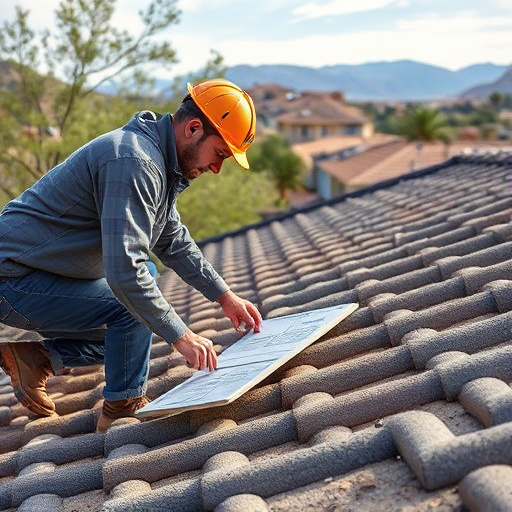
In southern Arizona's unique desert climate, planning a roofing project involves more than just choosing a material and a contractor. Success depends on understanding how weather patterns, seasonal changes, and local architectural styles influence your roof's performance and longevity. This is especially important for homeowners in Oro Valley's scenic Catalina Foothills, like La Reserve, where stunning Santa Fe and Spanish style homes are prevalent.
At DC Roofing of Arizona, we advise clients to begin their project by assessing their home's specific needs. A tile roof, popular in desert regions for its durability, may require additional measures to prevent heat absorption and potential structural damage from intense summer sun. Conversely, a cool roof, designed to reflect sunlight, could be a more suitable choice for prolonging the lifespan of your roofing material, especially in light of the region's increasing heat. When planning around monsoon season, scheduling is crucial. Many roofing projects in Oro Valley take one to two days, so timing your repair or replacement to avoid heavy rainfall periods ensures minimal disruption to your daily life.
Understanding local building codes and Homeowners' Association (HOA) regulations is essential. Oro Valley's building permits and HOA approvals can vary based on roof style and material, particularly for historic districts featuring Santa Fe and Spanish architecture. Consulting with a licensed Oro Valley roofer familiar with these guidelines can save you from costly delays. Finally, consider the long-term impact of your choices. The right roofing materials and designs can enhance your home's resale value, especially in a competitive Oro Valley real estate market. Protecting your investment requires informed decisions that align with your home's unique characteristics and the demanding desert climate.
Designing a Spanish Style Roof: Style Meets Function
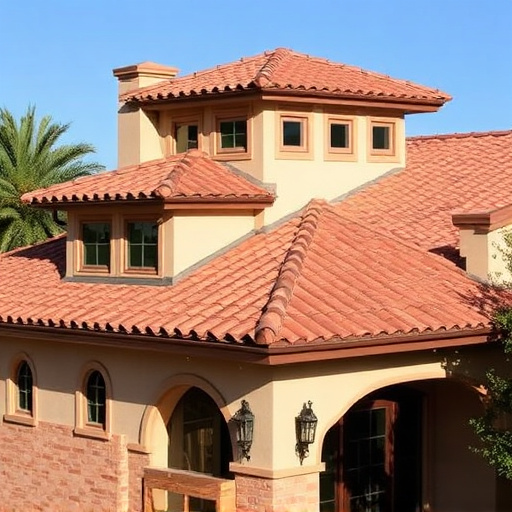
In southern Arizona, planning a roofing project around the seasons is crucial, especially when designing a Santa Fe or Spanish style roof that seamlessly blends style and function. These architectural wonders, popular in Oro Valley's luxurious neighborhoods like La Reserve, demand careful consideration to ensure both aesthetics and durability in the desert climate. The key lies in understanding how different materials and designs perform throughout the year, particularly during the intense summer heat and monsoon season.
When planning a Spanish or Santa Fe style roof, an experienced Oro Valley roof specialist recommends prioritizing reflective coatings. These advanced materials, such as cool roofs, help reflect sunlight, reducing the amount of heat transferred into the home. This is particularly important in the summer months, when the desert sun can significantly raise indoor temperatures. By choosing the right reflective coating, you can significantly lower cooling costs and create a more comfortable living environment. These coatings can extend the lifespan of your roof, a critical factor in the long-term investment of your Oro Valley property.
Consider the unique challenges posed by the monsoon season, typically from June to September. Flashing and parapet repairs become essential to prevent water intrusion. An expert Oro Valley roofer can ensure these areas are sealed properly, protecting your home from potential damage. The monsoon season also calls for more frequent roof inspections to catch any leaks early. Regular maintenance, combined with the right roofing materials, can help extend the lifespan of your Santa Fe or Spanish style roof, ensuring it remains a striking and functional feature of your Oro Valley home.
Tile roofs, popular in these styles, require specific flashing techniques to accommodate their intricate designs. An experienced contractor will know how to properly flash around tile edges and valleys, ensuring water cannot seep in during intense thunderstorms. Similarly, understanding the unique installation methods for different materials, like tile, foam, or shingles, is crucial. This knowledge allows for a seamless, long-lasting finish that complements the architectural integrity of a Spanish or Santa Fe style home.
Execution: Choosing the Right Contractor and Materials

Planning a roofing project in the desert requires strategic thinking, especially for execution. Choosing the right contractor and materials is crucial, especially in Oro Valley, where homes often feature unique architectural styles like Santa Fe and Spanish. The region's climate demands materials that can withstand intense sun, fluctuating temperatures, and occasional monsoon rains.
When selecting a contractor, consider their experience with these specific desert-friendly styles. A local roofing company serving Oro Valley, for instance, should have a proven track record with Santa Fe and Spanish roofs, demonstrating expertise in handling the region's unique challenges. Look for licensed roofers in Oro Valley who specialize in flashings, parapets, and stucco repairs, ensuring your project is in capable hands. Remember, a good roofing crew understands the importance of proper materials and techniques to protect your home's investment, especially in the long term.
Material choices are equally vital. For desert homes, cool roof options are recommended to reflect sunlight and reduce interior heat buildup. Tile and foam are popular choices for their durability and ability to withstand the harsh climate. Shingle installations should be carefully planned, considering the type's lifespan and the frequency of replacements in the desert. In Rancho Vistoso or La Reserve, where homes often have courtyard and flat section roofs, choosing the right materials can significantly impact energy efficiency and long-term costs.
In the summer heat, proper scheduling is key. Many roofing projects in Oro Valley are best planned during the cooler months, avoiding the intense midday sun. This allows for more manageable working conditions and reduces the risk of heat-related issues for both workers and materials. Always check with your chosen contractor about their preferred working hours, considering both your needs and their team's well-being. By aligning your project with the monsoon season's lull, you can also ensure better weather conditions for a smoother, more efficient job.
Frequently Asked Questions About advice on planning a roofing project around the seasons in southern Arizona
What is the best time of year to start a roofing project in southern Arizona?
The optimal time to begin a roofing project in southern Arizona is during the cooler months, specifically from late fall to early spring. This period offers milder temperatures and less extreme weather, allowing for a smoother and safer construction process. Avoiding the intense summer heat and monsoons significantly reduces the risk of delays, damage to materials, and worker discomfort. Most roofing installations in this region are completed during these seasons, ensuring better workmanship and longer-lasting results.
How do seasonal changes impact roofing materials?
The varying climates throughout the year in southern Arizona directly affect the performance and longevity of roofing materials. During the hot summer months, extreme temperatures can cause some materials, such as asphalt shingles, to become more brittle and susceptible to damage. Conversely, winter's cold can lead to thermal expansion and contraction, potentially causing issues with seals and connections. Stucco, for instance, may crack in freezing temperatures. Choosing materials suitable for this region's climate, including those with better resistance to heat and cold, is crucial for long-term protection.
Are there specific permits or regulations I should be aware of for roofing projects in Oro Valley?
In Oro Valley, as in most municipalities in southern Arizona, roofing projects may require permits and adhere to specific building codes. It's essential to check with the local building department to understand the regulations and obtain the necessary permits before starting any construction. These regulations cover various aspects, including structural integrity, safety, and environmental considerations. DC Roofing of Arizona, a licensed local contractor, can guide clients through this process to ensure compliance.
How do I prepare my home for a roofing repair or replacement?
Preparing your home for a roofing project involves several steps. First, schedule a thorough inspection to identify any issues. Next, clear the area around the property line to provide easy access for the crew. Remove or secure loose items around the house, such as outdoor furniture and decorative objects, to prevent damage or loss during construction. Ensure adequate parking is available for the trucks and equipment. Lastly, inform nearby neighbors about the project to avoid any surprises.
What should I consider when choosing a roofing contractor?
When selecting a roofing contractor, consider their experience, licensing, and reputation. Check if they have a valid Arizona ROC (Roofing License) and the necessary insurance coverage. Review client testimonials and ask for references to gauge their work quality and customer satisfaction. A good contractor will provide detailed estimates, offer guidance on material choices, and ensure a smooth project timeline. Look for specialists in desert-specific roofing techniques to address unique challenges, such as extreme heat and UV exposure.
As winter approaches in southern Arizona, planning a roofing project around the seasons becomes crucial, especially when designing Santa Fe and Spanish style roofs. This article has guided readers through the process, from understanding seasonal considerations to choosing the right materials and contractors. Key insights include preparing for the monsoon season, selecting suitable roof colors for desert homes, and ensuring proper care for seasonal residents.
Oro Valley roofers recommend starting projects before summer heat intensifies, as it can impact both workers and materials. When planning a Santa Fe or Spanish style roof, consider the unique design elements that blend with the local climate and culture. Execution involves choosing a licensed roofer with experience in these styles, ensuring a strong, long-lasting result.
Readers now possess a comprehensive understanding of the roofing project lifecycle in southern Arizona, empowering them to make informed decisions, protect their investments, and ensure their homes remain secure and aesthetically pleasing year-round.
In southern Arizona, planning desert roofing involves understanding climate, architectural styles, and seasonal patterns. For Santa Fe and Spanish homes in Oro Valley, choose reflective materials to combat heat, plan projects during cooler months, and prioritize licensed roofers experienced in these styles. Flashing, parapet, and stucco repairs are crucial for monsoon season protection. Material choices, such as cool roofs, tile, and foam, impact energy efficiency and long-term costs. Schedule projects around the monsoon lull for better conditions.