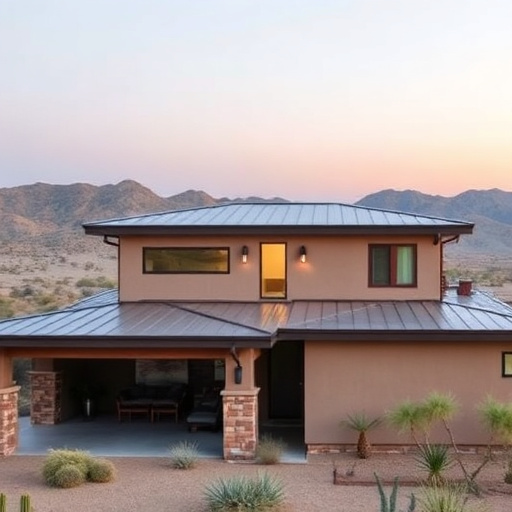
Roofing your custom or foothills home near the Santa Catalina Mountains is a crucial investment, protecting your property from the harsh desert climate and ensuring energy efficiency. However, navigating the unique roofing challenges of this region and understanding local regulations, like Oro Valley roofing permits, can feel overwhelming. This guide cuts through the confusion, providing expert insights tailored to Oro Valley's specific needs. We'll explore common roof types, their longevity, and how to choose a qualified roofer. We'll examine best practices for planning during monsoon season, ensuring your roof is well-maintained for years to come.
- Understanding Oro Valley Roofing Regulations
- Choosing the Right Roofing Material
- Planning Your Custom Home's Roof Design
- Hiring a Licensed Oro Valley Roofer
Understanding Oro Valley Roofing Regulations
Understanding Oro Valley's Roofing Regulations is crucial for any homeowner or custom builder in the area. Located near the Santa Catalina Mountains, Oro Valley has specific guidelines and requirements for roofing, especially in the unique desert climate. One of the first steps in planning a roofing project is to understand these regulations, which include obtaining the necessary Oro Valley roofing permits.
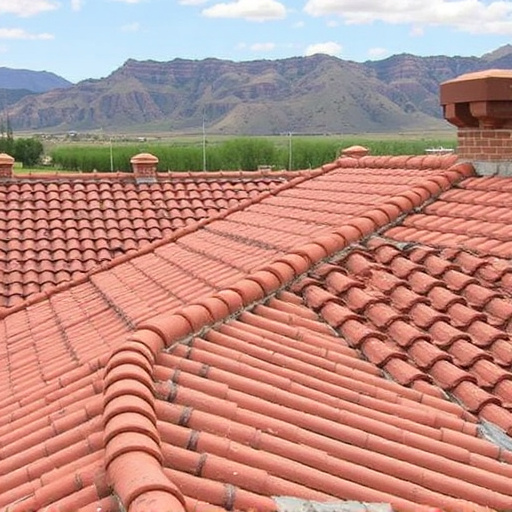
Sun City Oro Valley, with its mix of custom homes and foothills properties, is subject to local building codes and Homeowners' Association (HOA) approvals. The HOA matters in approving roofing materials, styles, and designs, particularly for newer or custom builds. Certain clay tile roofs may require special consideration due to their historical significance in the region. The local building department issues Oro Valley roofing permits after reviewing plans and ensuring compliance with codes. This process can take a few weeks, so homeowners and builders should allow adequate time for application and approval.
A licensed Oro Valley area roofing contractor can provide invaluable guidance during this phase. They understand the local regulations and can help navigate the permit process efficiently. It's essential to communicate your roofing plans early on to avoid delays. Remember, the roofing industry is subject to change, so staying informed about any updates to Oro Valley roofing permits and local building codes is crucial for a smooth project.
Choosing the Right Roofing Material
When selecting roofing materials for your custom or foothills home in the Sun City Oro Valley area, you're not just choosing a surface; you're making a significant investment in your property's longevity, aesthetics, and energy efficiency. The right material can enhance curb appeal, protect against the harsh desert climate, and even increase your home's resale value. Let's explore the factors that influence your decision, keeping in mind the importance of adhering to Oro Valley roofing permits and your Homeowners' Association (HOA) approval.
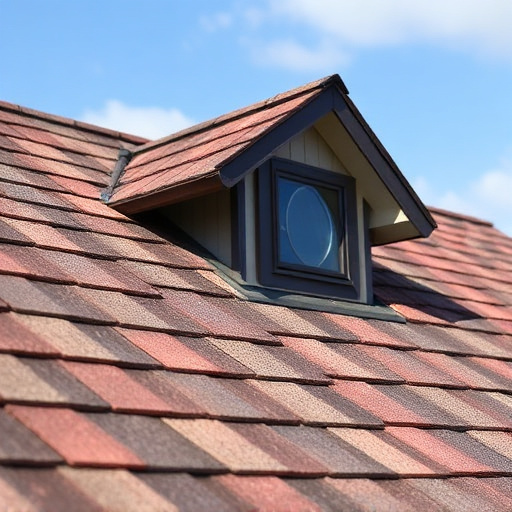
One of the most critical considerations is the material's lifespan, which varies widely. Tile roofs, known for their durability and aesthetic appeal, can last 50 years or more with proper care. Conversely, certain types of foam roofing offer lightweight, affordable solutions but may only withstand 15-20 years, especially in areas prone to extreme temperatures. Shingles, a common choice for their versatility and cost-effectiveness, typically last 25-40 years, depending on the quality and installation. When considering your options, consult with a licensed Arizona roofer to understand each material's performance in the local climate and under your specific structural conditions.
Reflective coatings have gained popularity for their energy-efficient benefits. These coatings can significantly reduce the interior temperature of your home, thereby lowering cooling costs. Many roofing contractors in Oro Valley offer cool roof options that incorporate reflective materials, which can be especially valuable in planning around the monsoon season. However, it's essential to ensure that any reflective coating you choose complies with your HOA's guidelines and local building codes, as some restrictions may apply. Always read the fine print and understand the terms of your Oro Valley roofing permits before proceeding with any installation.
The best roofing material for your home is a personalized choice that balances cost, aesthetics, and long-term performance. By understanding the factors that influence material lifespan and considering the unique requirements of your Oro Valley property, you'll make a well-informed decision that protects your investment and enhances the beauty of your custom or foothills home.
Planning Your Custom Home's Roof Design
When planning your custom home's roof design in Oro Valley, you're not just choosing a shelter from the elements; you're making a significant investment in the longevity, energy efficiency, and aesthetic appeal of your property. This is especially true when considering the unique challenges and opportunities posed by Oro Valley's desert climate and the surrounding Santa Catalina Mountains. A well-designed roof can help your home stand the test of time, reduce energy costs, and enhance its resale value.
Before putting pen to paper or launching into a project with a roofer, it's crucial to understand the local regulations and obtain the necessary Oro Valley roofing permits. The City of Oro Valley has specific guidelines for roofing materials, designs, and installations to ensure safety and property values. Certain cool roof options are often encouraged in desert climates to reduce the heat load on your home. These reflect a growing trend towards sustainable and energy-efficient building practices. If your property is within a Homeowners' Association (HOA), you'll need to secure their approval for any significant roofing changes. Working with a local roofing company serving Oro Valley that has experience navigating these regulations can streamline this process.
When selecting a roof design, consider the unique characteristics of your custom home and the local environment. For foothill and patio homes, flat or courtyard roofs are often the best fit, providing a low-maintenance solution that complements the landscape. If your home's architectural style leans towards Santa Fe or Spanish influences, these traditional roof lines can enhance the property's curb appeal. When choosing between tile, foam, or shingle installations, each material has its advantages and lifespan varies. Tile roofs are known for their durability but can be more expensive to install and maintain. Shingles offer a more budget-friendly option, but they may not last as long. A local roofing contractor specializing in custom homes can provide expert advice tailored to your specific needs and budget.
Remember, planning around Oro Valley's monsoon season is also crucial. Timing your roofing project during the dry season ensures better working conditions and faster completion. Protect your landscaping during the roofing process, and consider the impact of the project on your neighbors, especially if you live in a dense residential area. By following these guidelines and working with the best roofing contractors in Oro Valley, you can ensure that your custom home's roof design is not only functional and durable but also a source of pride for years to come.
Hiring a Licensed Oro Valley Roofer
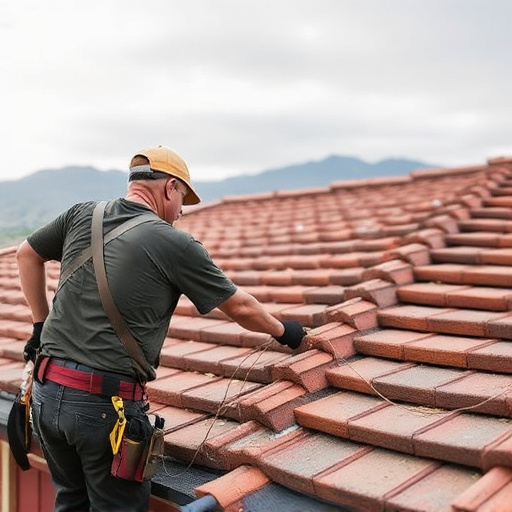
Choosing the right roofing partner for your custom or foothills home in the Oro Valley area is a crucial step in ensuring the longevity and beauty of your property, especially when considering the unique challenges of the local climate and environment. With the Santa Catalina Mountains as a backdrop, homes in this region require roofing solutions that can withstand both the intense summer heat and the occasional monsoon season.
When selecting a licensed Oro Valley area roofing contractor, start by understanding the local regulations and permits. The City of Oro Valley has specific guidelines and requirements for roofing installations, which include obtaining the necessary permits before beginning any work. This process is in place to ensure safety, protect property values, and maintain the aesthetic integrity of the neighborhood, especially in areas with distinctive architectural styles like Santa Fe and Spanish colonial homes. A good roofer will be familiar with these regulations and help guide you through the permitting process, ensuring your project complies with all codes.
Consider the materials you want to use. Concrete tile, for instance, is a popular choice for its durability and ability to reflect heat, reducing cooling costs. However, not all roofing contractors are equally skilled in handling these specific materials. Look for a licensed Oro Valley roofer with a proven track record in the type of roofing you desire, whether it's tile, foam, or traditional shingles. This expertise ensures a higher quality installation and can impact the lifespan of your roof. Experienced contractors can offer insights into the best practices for maintaining your roof, especially in the desert climate, where issues like aging and corrosion can require special attention.
Lastly, focus on the team itself. A good roofing crew should be efficient, safe, and professional. Ask for references and check online reviews to gauge their reputation and work quality. A licensed Oro Valley roofer with a dedicated team can offer peace of mind, ensuring your roofing project is handled with care, within the estimated timeline, and without causing disruption to your neighbors, a consideration especially important during the busy summer months.
Frequently Asked Questions About a guide to roofing for custom and foothills homes near the Santa Catalina Mountains
What are the unique considerations when roofing a custom home in this area?
When roofing custom homes in Oro Valley, near the Santa Catalina Mountains, several factors come into play. These include the region's unique climate, which demands robust, weather-resistant materials and designs. The terrain is often varied, necessitating specialized installation techniques for slopes and irregular surfaces. Local building codes and permit requirements must also be navigated, ensuring the roof complies with safety and aesthetic standards specific to the area.
How do I choose the best roofing material for my home?
The best roofing material depends on your home's design, climate, and budget. Consider energy efficiency, local weather patterns, and aesthetic preferences. Metal roofing is popular in this region due to its durability, low maintenance, and ability to withstand the desert heat. However, for custom homes aiming for a traditional look, tile or slate might be more suitable, offering a range of colors and textures while ensuring longevity.
Are there local regulations regarding roof styles and colors?
Yes, Oro Valley, like many communities, has building codes and design guidelines. These often dictate roof styles, colors, and materials, especially in historic districts or areas with specific architectural themes. It's crucial to check with the local building department or a licensed roofer to understand the regulations for your specific neighborhood.
How long does a typical roofing installation take in this area?
Most roofing installations in Oro Valley typically take one to two days, depending on the size and complexity of the project. This includes preparation, material delivery, and final inspection. Weather conditions can sometimes extend the timeline, but skilled contractors should provide accurate estimates and keep you informed throughout the process.
What should I do if my roof starts leaking?
If your roof starts leaking, contact a licensed and experienced roofer immediately. They can inspect the damage, pinpoint the source of the leak, and provide a repair solution. Prompt action is essential to prevent further damage and ensure the longevity of your roof. Remember, DIY repairs on roofs can be dangerous; always trust professionals for your safety and the integrity of your home.
As you prepare to roof your custom or foothills home near the Santa Catalina Mountains, you now possess a wealth of knowledge to ensure a successful project. Key takeaways include understanding the nuanced Oro Valley roofing permits and regulations, selecting appropriate materials tailored to the desert climate, and strategically planning your roof design to complement your home's architecture, such as Santa Fe or Spanish styles. Hiring a licensed Oro Valley roofer is paramount; look for professionals with a proven track record, positive reviews, and the ability to work efficiently around the monsoon season. Consider the lifespan of materials, cool roof options, and how to protect your landscaping during construction. By following these guidelines and leveraging local resources, you'll not only find the right roofing solution but also maximize your home's resale value.
Oro Valley Roofing Regulations and Choosing the Right Contractor:
- Obtain Oro Valley roofing permits: Local building codes and HOA approvals are essential for roofing projects. Permits ensure compliance and can take several weeks to obtain.
- Consider material lifespan and energy efficiency: Choose materials based on durability, climate suitability, and energy-saving properties. Tile, foam, and shingles each have pros and cons regarding longevity and cost.
- Navigate regulations for unique roofs: Custom homes may require special consideration for historical roofing styles. Work with a licensed Oro Valley contractor familiar with local guidelines.
- Select a licensed Oro Valley roofer: Ensure professionals are permitted, experienced, and reputable to guarantee high-quality work and compliance with Oro Valley roofing permits.