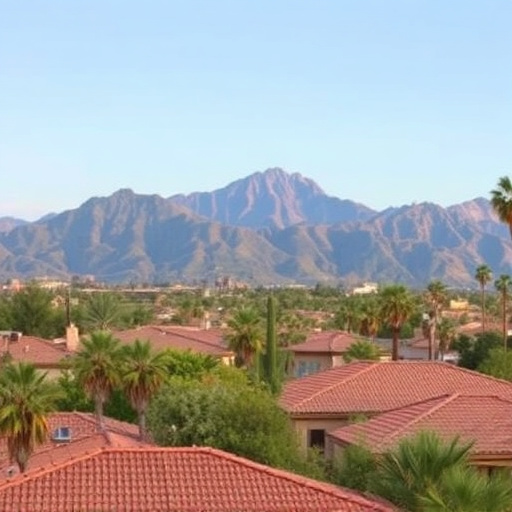
Roofing your custom or foothills home near the Santa Catalina Mountains is a crucial investment, enhancing curb appeal and protecting your space from the region's unique desert climate. However, with a variety of roof types, local regulations, and seasonal considerations, choosing the right Oro Valley roofer can be overwhelming. This guide cuts through the clutter, exploring current roofing trends, from cool roof options to patio home and casita installations, while navigating the permitting process and planning around the monsoon season. We'll help you understand roof lifespans, material comparisons, and signs you need a new roof, providing insights to make informed decisions for your unique home.
- Understanding Your Oro Valley Roof Options
- Choosing the Right Materials: Trends & Durability
- Installation: Expert Tips for Mountain Homes
- Maintenance: Long-Term Care for Your Custom Home
Understanding Your Oro Valley Roof Options
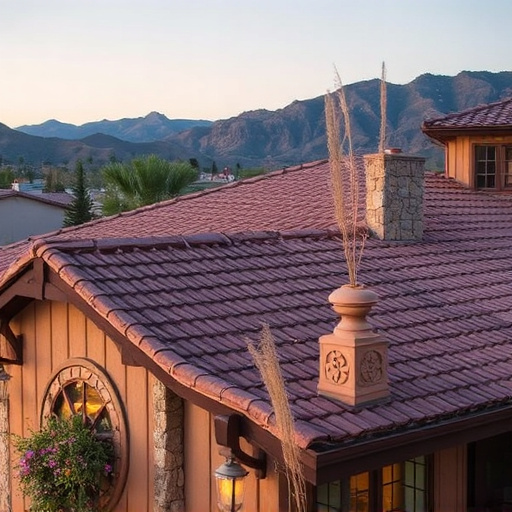
In the vibrant landscape of Oro Valley, Arizona, near the Santa Catalina Mountains, homeowners have a unique opportunity to choose from a diverse range of roofing options that blend functionality with the region's distinctive desert aesthetic. Understanding these choices is key to making an informed decision, especially when considering the area's specific climate and the popular architectural styles found in the foothills and custom homes.
One popular trend among Oro Valley residents is the installation of concrete tile roofs. This choice is not only aesthetically pleasing, with its clean lines and textured finishes resembling traditional clay tiles, but also highly durable. Concrete tiles are designed to withstand the region's intense summer heat, making them a smart option for desert climates. They are also known for their longevity, often outlasting other materials by several decades with minimal maintenance. Homeowners looking for a low-maintenance option without sacrificing style can find a perfect match in concrete tiles.
In contrast, clay tiles have long been a standard for roofing in the region, known for their rustic charm and ability to handle the desert's extreme temperatures. While they require more upkeep than concrete tiles, clay tiles offer a traditional aesthetic that many homeowners appreciate. When considering a clay tile roof, it's essential to look for a roofer with an Arizona ROC license (ROC stands for Registrar of Contractors) who specializes in these installations, ensuring both the work's quality and the roof's longevity.
When making a decision, homeowners should also consider the latest roofing trends that cater to the unique demands of Oro Valley. Cool roof options, for instance, are gaining popularity. These roofs are designed to reflect sunlight, reducing the need for excessive air conditioning and potentially lowering energy costs. With the monsoon season bringing occasional heavy rains, proper drainage and water management systems are crucial. A roofer with an ROC license can guide homeowners in choosing the best materials and designs to protect their properties during these seasonal events.
Choosing the Right Materials: Trends & Durability

In the Town of Oro Valley, near the stunning Santa Catalina Mountains, choosing the right roofing materials for your custom or foothills home is crucial for both aesthetics and longevity. As a roofing contractor serving Oro Valley and Marana, we've witnessed the evolution of roofing trends, with an increasing focus on durable, low-maintenance, and energy-efficient options. Cool roofs, which reflect sunlight instead of absorbing it, are gaining popularity in our desert climate, helping to reduce energy costs and minimize roof aging.
For durability, spray polyurethane foam (SPF) stands out as a leading choice for flat roofs. SPF offers exceptional resistance to leaks, is highly reflective, and has a proven track record in withstanding the harsh conditions of the local climate. Unlike traditional tile or shingle installations, which can be labor-intensive and prone to damage, SPF roofs can be applied quickly, often in just one to two days. This makes them a practical option for homeowners seeking a fast, efficient, and long-lasting solution. SPF is versatile; it can be used on a variety of surfaces, from metal and concrete to wood and masonry, making it a versatile choice for custom home designs.
While trends play a significant role in roofing material selection, it's equally important to consider the specific needs of your property. For patio homes and casitas, for example, we often recommend lightweight roofing materials to reduce structural stress and lower cooling costs. This might include specialized metal roofing or high-performance composite shingles. On the other hand, for older homes undergoing a roof replacement, our experts may suggest materials that are easier to install over existing structures, such as single-ply membranes or modified bitumen. The right roofing material for your Oro Valley home depends on a combination of factors, including budget, climate, local regulations, and your personal aesthetic preferences.
Installation: Expert Tips for Mountain Homes
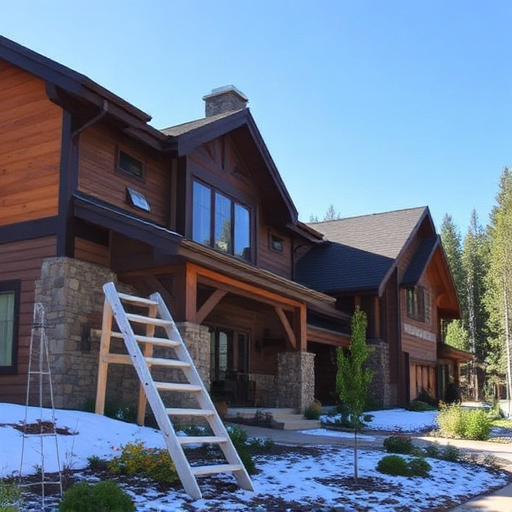
When installing a roof on a custom home or foothills residence in Oro Valley, nestled beneath the Santa Catalina Mountains, you need a contractor who understands the unique challenges of this landscape. The desert climate, extreme UV exposure, and varying weather patterns demand a specific approach to roofing. A local roofing company serving Oro Valley that specializes in these conditions can provide expert tips for a durable, long-lasting roof.
One of the most popular and sustainable choices for these homes is concrete tile. It offers exceptional durability, withstanding the harsh desert environment, and is designed to resist high winds, a common occurrence during the monsoon season. This material also provides excellent thermal mass, helping to regulate indoor temperatures and reduce energy costs. However, its longevity depends on proper installation. The contractor should have experience with concrete tile installations, ensuring the underlayment is suitable for the desert climate and the roof is properly flashed and sealed to prevent water penetration.
Consider the roof's orientation and the surrounding landscape. In Oro Valley, where UV exposure can be intense, choosing cool roof materials and colors can significantly impact energy efficiency. Reflective paints and coatings can reduce the roof's heat absorption, keeping your home cooler and reducing cooling costs. A roofing contractor familiar with these trends can guide you in making environmentally conscious choices that also benefit your home's resale value. Remember, proper planning around the monsoon season is crucial. Efficient drainage systems and adequate ventilation are essential components of any Oro Valley roof project, ensuring water doesn't collect on the roof or infiltrate your home.
Maintenance: Long-Term Care for Your Custom Home

The unique architecture and climate of custom homes in Sun City Oro Valley and La Reserve demand a tailored roofing approach. As the monsoon season approaches, homeowners face the challenge of maintaining their roofs in a harsh desert environment. This long-term care strategy is crucial for preserving the integrity and aesthetic appeal of your custom home.
Regular inspections and maintenance are key to a roof's longevity. In the desert, where extreme heat and frequent sunlight are prevalent, roofing materials can degrade at a faster rate. A roofer with an Arizona ROC license recommends scheduling annual checks to identify any issues early. Look for signs of damage like missing or curled shingles, water stains, or signs of mold growth. In particular, the flat section roofs common in these neighborhoods require meticulous care. This includes checking for proper drainage, sealing, and maintaining the integrity of the underlayment.
One of the latest roofing trends involves cool roof options, which can be especially beneficial in Oro Valley. These systems reflect sunlight, reducing heat absorption and lowering energy costs during the summer months. Consider materials like spray polyurethane foam (SPF), known for its excellent insulation and durability. SPF installations can extend the lifespan of your roof and enhance energy efficiency. When planning a renovation or new construction, consult with a local roofing expert to determine the best cool roof solution for your custom home.
Frequently Asked Questions About a Guide to Roofing for Custom and Foothills Homes Near the Santa Catalina Mountains
What are the unique considerations when roofing a custom home in this region?
Roofing a custom home in the Oro Valley area near the Santa Catalina Mountains requires special attention to the local climate and terrain. These homes often feature unique architectural designs and may be built with specialized materials. The primary concerns include selecting a roof system that can withstand extreme heat and occasional moisture, as well as protecting against strong winds that are common in the region. Spray polyurethane foam (SPF) is a popular choice for its excellent insulation properties, durability, and ability to seal out air and water.
How does the local climate affect roofing material choices?
The climate in southern Arizona presents several challenges for roofing materials. High temperatures and intense sunlight can cause some materials to degrade faster. Moisture, though less common, can be a problem during monsoon seasons. The region's strong winds necessitate materials that can withstand high wind loads. SPF is particularly well-suited to these conditions due to its closed-cell structure, which provides superior wind resistance and helps regulate indoor temperatures.
Are there local building codes that impact roofing choices?
Absolutely. Building codes in Oro Valley and the surrounding areas dictate the types of roofing materials and systems that can be used. These codes consider factors like wind load, snow load (though minimal in southern Arizona), and fire resistance. SPF is approved under local building codes for its exceptional performance in these areas. It's crucial to work with a licensed roofer who understands and adheres to these codes.
What are the advantages of spray polyurethane foam roofing?
SPF roofing offers several advantages. It provides excellent insulation, helping to keep homes cool in the summer and warm in the winter. Its closed-cell structure creates a nearly impervious barrier against water intrusion, promoting long-term structural integrity. SPF is lightweight, reducing load on structures, and its flexibility allows for easy installation on complex roof designs. SPF contributes to a home's energy efficiency, potentially lowering cooling and heating costs.
How long does SPF roofing typically last?
With proper installation and maintenance, SPF roofing systems can last 20 years or more. The longevity is attributed to their resistance to extreme temperatures, moisture, and UV radiation, as well as their ability to expand and contract with temperature changes without damaging the roof underlayment. Regular inspection and maintenance, including re-coating every few years, can further extend the lifespan of an SPF roof.
What is the cost range for SPF roofing?
The cost of SPF roofing can vary based on several factors, including the size of the roof, the complexity of the installation, and the type of components used. Generally, it falls within the mid-range to high-end of roofing materials, with the average cost per square foot being competitive with traditional roofing materials. However, the long-term energy savings and durability often make SPF a cost-effective choice in the long run.
As you navigate the landscape of roofing for your Oro Valley custom or foothills home near the Santa Catalina Mountains, this guide has equipped you with the knowledge to make informed decisions. Understanding your roof options, selecting durable materials, and mastering installation techniques are crucial for a long-lasting, attractive, and energy-efficient roof. By prioritizing expert tips for mountain homes, you can protect your investment from the unique challenges posed by the desert climate and the monsoon season. Adopting current roofing trends and implementing proper maintenance routines will ensure your home's roof not only withstands the test of time but also enhances its resale value. Moving forward, consider reaching out to local Oro Valley roofers, exploring cool roof options, and joining roofing communities for ongoing support and learning.
In Oro Valley, Arizona, near the Santa Catalina Mountains, homeowners have a variety of roofing options tailored to the region's desert climate and architectural styles. Key trends include:
- Concrete Tiles: Highly durable, aesthetically pleasing, and low-maintenance, concrete tiles are a popular choice for their ability to withstand intense heat and minimal upkeep.
- Clay Tiles: Traditional and rustic, clay tiles offer a timeless aesthetic but require more maintenance than concrete tiles.
- Cool Roofs: Reflecting sunlight, these roofs lower energy costs and reduce roof aging, gaining popularity in the desert climate.
- Spray Polyurethane Foam (SPF): A leading flat roof choice, SPF is highly durable, reflective, and efficient, with quick installation times.
- Trends & Maintenance: Regular inspections, cool roof options, and choosing materials suited to the local climate and landscape are crucial for roof longevity. Schedule maintenance before monsoon season to protect your custom home or foothills residence.