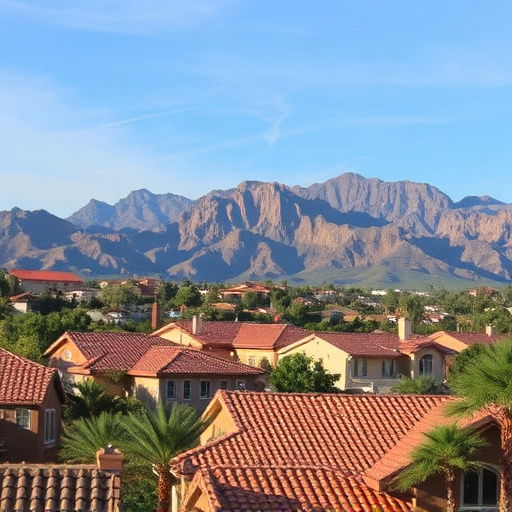
In southern Arizona, planning a roofing project requires understanding the unique challenges of the desert climate and the seasonal weather patterns. The region's extreme heat and occasional monsoon storms can significantly impact the longevity and performance of roofing materials, leading to accelerated aging of roofs. This article provides a practical guide for homeowners and property managers navigating roofing projects in Oro Valley, offering insights into choosing the right materials, planning around the monsoon season, and understanding the signs that indicate the need for a new roof. By the end, you'll be equipped to make informed decisions, ensuring your roof stands the test of time in the desert environment.
- Understanding Seasonality in Southern Arizona's Desert Climate
- Assessing Roof Condition in a Hot, Dry Environment
- Strategic Planning for Efficient Roofing Project Completion
- Longevity: Aging Your Desert Roof Naturally
Understanding Seasonality in Southern Arizona's Desert Climate
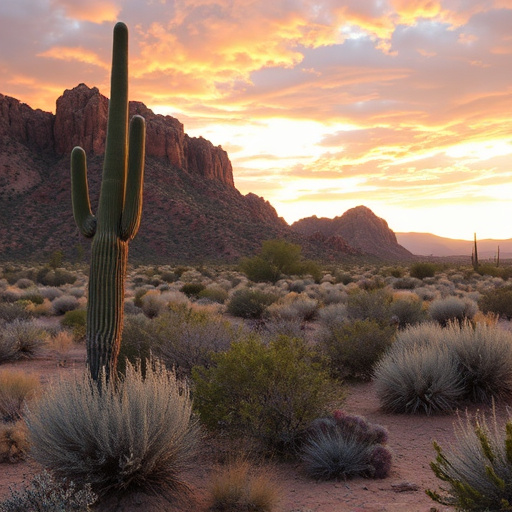
In southern Arizona, planning a roofing project requires understanding the unique seasonal influences of the desert climate. The region's extreme heat, frequent monsoon storms, and rapid temperature changes significantly impact roofing materials and longevity. Desert climate roof aging naturally varies from material to material; for instance, a shingled roof may show signs of wear and tear after five to seven years, while a foam roof could last 15 to 20 years under the same conditions. Knowing these variations is crucial when deciding on a roofing material and setting expectations for your project.
The best time to initiate a roofing project in Oro Valley typically aligns with the cooler months, from late autumn to early spring. This period avoids the intense summer heat that can slow down work and increase labor costs. The monsoon season, which peaks in July and August, poses risks to both workers and property. During these months, intense thunderstorms can cause flash floods and powerful winds, potentially damaging newly installed roofs. Planning around these seasonal factors is essential to ensure safety and avoid costly repairs.
When selecting a roofing contractor, opt for a locally established one with experience navigating the region's climate. A shingle roof, for example, might be a popular choice for its affordability and versatility, but a foam roof could be a superior long-term investment given its superior insulation and durability in the desert heat. A local roofing company serving Oro Valley will have the expertise to guide you through these options, considering not just your budget but also the specific needs of your patio home or casita. They can also advise on the most suitable roofing styles, like Santa Fe or Spanish designs, which have proven to withstand the region's conditions over time.
Regular maintenance and timely repairs play a significant role in extending the lifespan of your roof. Homeowners should be vigilant about desert climate roof aging and look out for signs like missing or damaged shingles, leaks, or discolored spots. Addressing these issues promptly can save you from extensive repairs during peak seasons. Protecting your landscaping and neighbors from potential construction disruptions during the roofing process is a good practice, especially when planning a project during the monsoon season.
Assessing Roof Condition in a Hot, Dry Environment
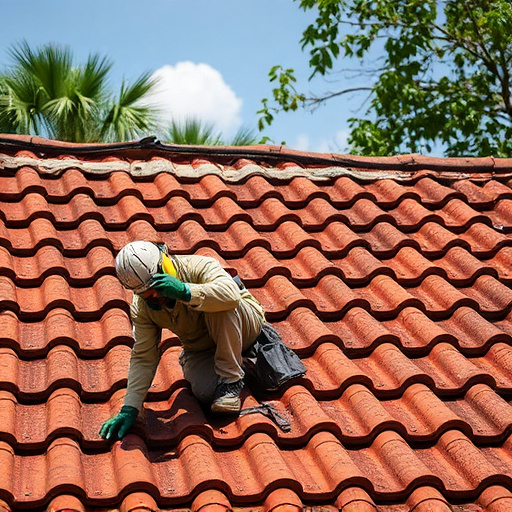
In the scorching heat of southern Arizona's desert climate, a homeowner's roof undergoes a unique set of challenges and considerations. Assessing the condition of your roof in Sun City Oro Valley, Marana, or Rancho Vistoso is a crucial step in planning any roofing project, especially when considering the natural aging process that occurs in such an environment. The extreme temperatures, intense sunlight, and low humidity can accelerate the deterioration of roofing materials, making regular inspections vital.
For roof aging, a local roofing company serving Oro Valley notes that certain types of roofing materials handle the desert climate differently. Asphalt shingles, a common choice in the region, can expect a lifespan of approximately 15 to 20 years under these conditions, often showing signs of aging earlier than in milder climates. Metal roofing, on the other hand, tends to withstand the heat better, with a lifespan ranging from 40 to 60 years. Tile roofs, though elegant, are susceptible to cracking and breaking in extreme heat, requiring more frequent repairs. Understanding these variations is key to making informed decisions about when to replace or repair.
Regularly inspecting your roof for signs of aging is essential. Look for blisters or curls in asphalt shingles, which indicate heat damage. Metal roofs may develop rust spots, while tile roofs could have broken or missing pieces. Check for signs of leaks, as these can lead to more extensive damage. A good rule of thumb is to have your roof inspected annually, especially in the quieter months before the monsoon season. By planning around these natural cycles, homeowners can ensure their roofs are in optimal condition, minimizing unexpected issues during the peak seasons.
Strategic Planning for Efficient Roofing Project Completion
Planning a roofing project in southern Arizona requires strategic consideration, especially when navigating the unique desert climate and seasonal variations. In Oro Valley, the climate naturally ages roofs differently than in other regions, necessitating a tailored approach. Here's a detailed guide on how to plan efficiently, ensuring your project goes smoothly and your roof lasts for years to come.
The first step is understanding the local climate's impact. In the desert, extreme heat and rapid temperature changes can accelerate the deterioration of roofing materials. Clay tile, for instance, is a popular choice in the Catalina Foothills due to its durability and aesthetic appeal. However, in the desert heat, it may require more frequent maintenance than expected. When planning, consider the material's lifespan and the signs of wear and tear specific to the climate. While a metal roof might last longer, it could expand and contract with extreme temperature fluctuations, potentially causing early damage.
Before starting, familiarize yourself with local regulations and HOA approvals. Oro Valley roofing permits are essential, and the process can vary. Research the specific requirements for your property, especially if you're in a neighborhood with strict design guidelines. When planning around the monsoon season, know that many roofing companies in the area offer flexible scheduling to accommodate unexpected delays. Engaging with a licensed Arizona roofer early can save time and stress, ensuring your project adheres to all codes and regulations.
A strategic plan includes setting a realistic timeline. Most roofing installations take one to two days, but complex projects may require more time. Consider the size of your property, the type of roof, and any additional work like landscaping protection or patio home and casita roofing. For seasonal residents, planning is crucial. Engage a roofing crew that understands the challenges of desert climate roof aging naturally and can provide expert care for your property, ensuring your roof is in top condition when you return.
Longevity: Aging Your Desert Roof Naturally
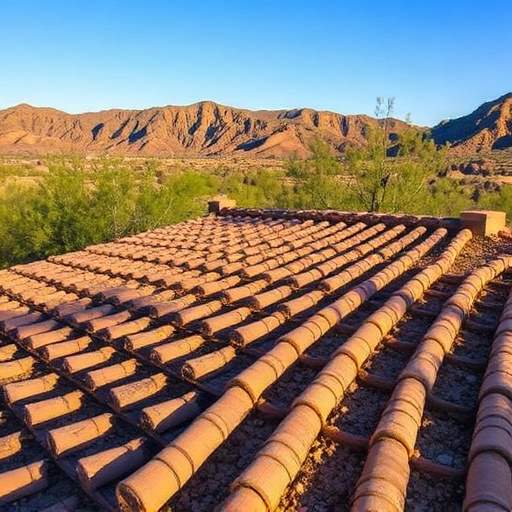
When planning a roofing project in the unique desert climate of southern Arizona, understanding how your roof ages naturally is crucial. In Oro Valley, with its hot summers and cool winters, a roof's lifespan can vary significantly depending on factors like material, design, and local weather patterns. A well-maintained concrete tile roof in Rancho Vistoso may outlast a similarly aged asphalt shingle roof due to the region's extreme temperatures.
The desert climate presents specific challenges for roof longevity. High heat and intense sunlight can accelerate the breakdown of roofing materials, especially those not designed for UV resistance. Rapid temperature changes between day and night can put stress on structures. To combat these issues, homeowners should consider "cool roof" options that reflect sunlight, thereby reducing heat absorption. This is particularly important for patio homes and casitas, where roof color also plays a role in maintaining comfortable interior temperatures. Opting for reflective or light-colored shingles or tiles can significantly impact energy efficiency.
Regular maintenance is key to extending your roof's life, regardless of material. A roofer with an Arizona ROC license recommends inspecting your roof twice yearly-once after the monsoon season and again before winter. During these checks, look for signs of aging, such as missing or damaged shingles, flashing issues, or mold growth. Addressing problems early can prevent more severe damage later. If you notice discoloration or curling shingles, it may indicate a leak or moisture intrusion, requiring professional attention before it compromises the roof's structural integrity.
As your desert roof ages naturally, be prepared for the timeline to vary. While some materials may last 30 years or more, others may need replacement after 20 years, especially if they're not suitable for the region's climate. Homeowners should plan for potential roof repairs or replacements by budgeting accordingly and considering the unique challenges of the Oro Valley environment. This proactive approach ensures your home remains protected, enhancing its value and curb appeal over time.
Frequently Asked Questions About advice on planning a roofing project around the seasons in southern Arizona
What is the best time of year to start a roofing project in Oro Valley?
In southern Arizona, including Oro Valley, the ideal time to start a roofing project is during the cooler months, specifically from October to April. This period offers more comfortable working conditions for both homeowners and contractors. Warmer temperatures can make outdoor work, especially on metal and flat roofs, more challenging. Fewer extreme weather events occur during these months, reducing the risk of damage and delays.
How does weather impact roofing projects in this region?
Southern Arizona's weather matters in roofing projects. The region experiences hot, dry summers with occasional thunderstorms, which can cause flash flooding. These conditions can delay installations, especially if there's a need for additional protection against water damage. Conversely, winter brings cooler temperatures and occasional frost, necessitating careful handling of materials and equipment to prevent damage. Proper planning and scheduling are crucial to mitigate these weather-related impacts.
Should I consider the seasons when choosing a roofing material?
Absolutely. The climate in southern Arizona, characterized by hot summers and mild winters, strongly influences the choice of roofing material. Reflective or lighter-colored shingles can help keep homes cooler during the hot summer months, reducing energy costs. Conversely, a more durable, impact-resistant material might be preferable for areas prone to occasional severe thunderstorms. Consulting with a local roofing expert can help you make an informed decision tailored to your specific location.
What are the advantages of planning a roofing project during the cooler months?
Planning a roofing project during the cooler months in Oro Valley offers several advantages. These include:
- Comfortable working conditions: Temperatures are more bearable, making it easier for both homeowners and contractors to work efficiently.
- Reduced risk of weather-related delays: Fewer extreme weather events occur during this period, minimizing potential project setbacks.
- Potentially faster project completion: With favorable weather, many roofing installations can be completed in one to two days, depending on the project scope.
How do I prepare my home for a roofing project, especially during warmer months?
Preparing your home for a roofing project involves several steps, particularly during warmer months:
- Clear debris from your roof and gutters: Remove leaves, branches, and any other debris that could impede the installation process or contribute to water damage.
- Secure loose items: Store or tie down loose outdoor furniture, potted plants, and any other items that might be blown around by strong winds.
- Plan for debris management: Discuss with your contractor how they will handle roofing debris, and have a plan in place for disposal or recycling.
Are there local regulations or building codes I should be aware of?
Absolutely. Oro Valley, like many municipalities, has specific building codes and regulations governing roofing projects. These may include requirements for building materials, safety measures, and permitted work. It's essential to ensure your project complies with these codes to avoid any legal issues or delays. Contacting your local building department is the best way to learn about these regulations.
In southern Arizona's desert climate, planning a roofing project involves understanding the unique seasonal dynamics that influence your roof's health and longevity. By assessing your roof's condition in this hot, dry environment, you can strategically time your project for optimal efficiency. Scheduling repairs during the cooler months reduces the stress of extreme heat on both your crew and materials.
One key takeaway is the concept of desert climate roof aging naturally. The harsh conditions, including intense UV exposure, can accelerate the deterioration of roofing materials. Therefore, choosing durable options and maintaining regular inspections are crucial. Understanding the lifespan of various materials allows homeowners to budget accordingly and plan for future replacements.
For seasonal residents, the article offers valuable insights into roof care, emphasizing the importance of addressing issues promptly. Since roofing projects can significantly impact neighbors and landscaping, planning around the monsoon season and considering the aesthetic of your home, such as Santa Fe or Spanish style roofs, ensures a harmonious and efficient renovation.
The article equips Oro Valley homeowners with the knowledge to navigate their roofing needs in this specific climate. By following these guidelines, homeowners can ensure their desert roofs age gracefully, maintain their property's resale value, and make informed decisions when selecting a roofer and materials.
Planning a Roofing Project in Southern Arizona:
- Climate Impact: Extreme heat and rapid temperature changes in the desert accelerate roofing material deterioration.
- Material Lifespan: Shingles last 5-7 years, foam roofs 15-20 years, tile roofs may require more frequent repairs.
- Timing: Initiate projects in late autumn to early spring to avoid intense summer heat and labor costs.
- Monsoon Season Risks: Avoid scheduling during July-August due to storms causing flash floods and wind damage.
- Roofing Contractor Selection: Choose a locally established contractor experienced with the region's climate.
- Maintenance: Regularly inspect roofs for aging signs like missing/damaged shingles, leaks, discolored spots.
- Long-Term Considerations: "Cool roofs" and reflective materials improve energy efficiency in hot climates.
- Budgeting: Plan for potential repairs or replacements, considering the unique challenges of the Oro Valley environment.